Well-reviewed products that fit what you want to spend.
We summarize professional reviews; we don't test products ourselves.We may earn a commission from purchases or qualifying sign-ups through our links. Affiliate links explainedHow we work
Phones budgets
Use the unlocked device price at the selected storage capacity. Carrier installments and trade-in credits are not equivalent cash prices. These shortcuts are spending limits, not quoted prices. USD, before tax and shipping.
Within your budget
Checking retailers…
Within budget at the recorded price
No live price is available for these models. The dated launch or review price below is historical context, not a current offer. Check the retailer before buying.
A good older phone at the right discount. The camera, battery endurance and long support commitment make the 9a a useful value option. Slow charging and the lack of a telephoto camera are the main compromises. Its seven-year update promise runs from the original release, so compare the remaining support and current price with newer phones before buying.
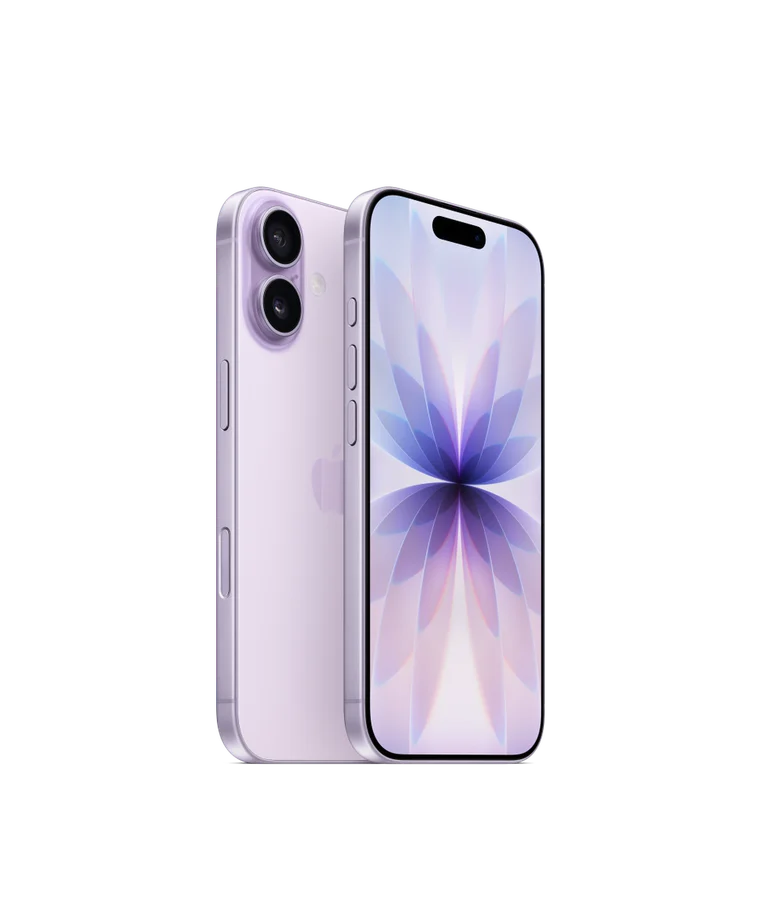
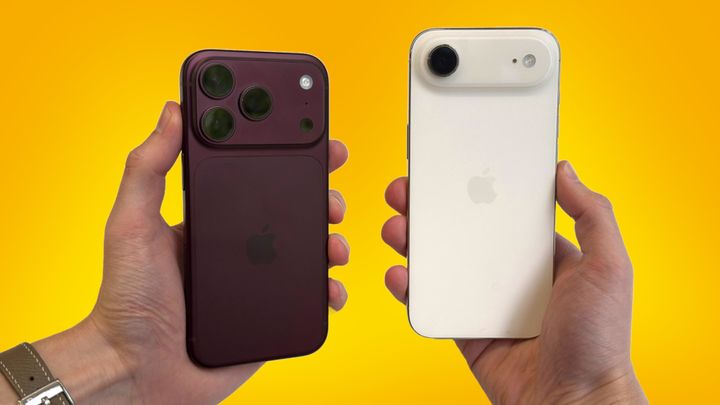
The standard iPhone is easier to live with. A 120Hz screen and larger starting storage address two practical reasons people previously paid for a Pro. The standard 17 still lacks a dedicated telephoto camera. For an older discounted model, the price gap to the current generation matters more than AI features alone.
2025 Pro Max, 256GB; regional SIM and radio variants differ
A large-screen camera phone with a size penalty. The 17 Pro Max suits buyers who want a large iPhone for photography and long battery life. TechRadar liked its cameras and endurance, but the 233g body and raised camera plateau make it less convenient to carry and use on a desk.
Long endurance in a heavier iPhone. Trusted Reviews found that its sample lasted through a weekend of use and sustained high frame rates while running cooler than the prior model. The 249g body is the tradeoff; the smaller Pro offers the same core camera features.
US unlocked, 256GB / 12GB; regional radio variants differ
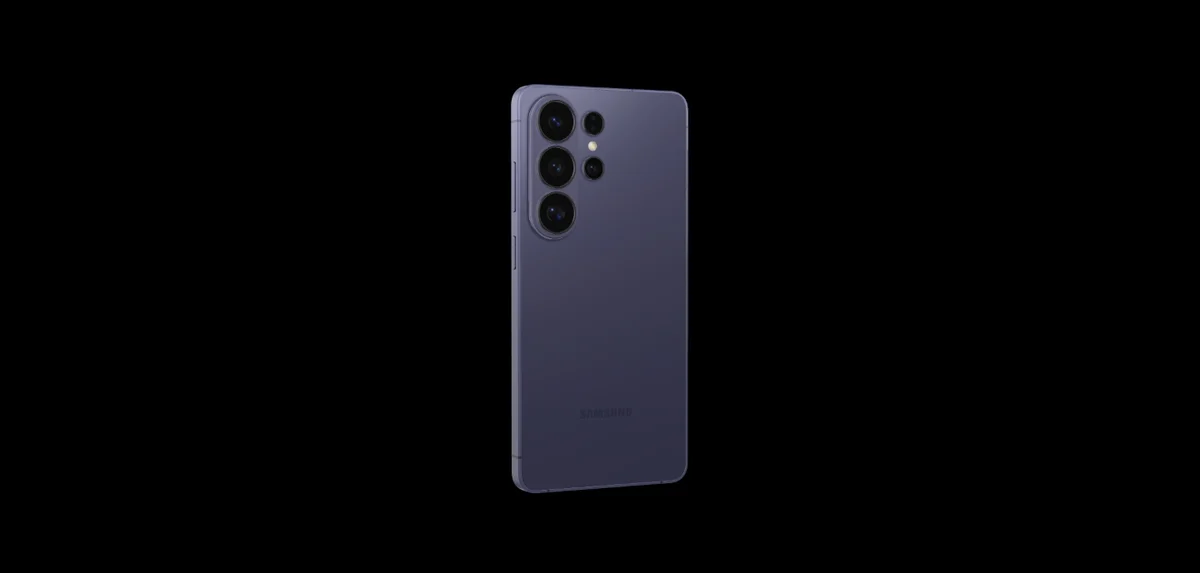
A big Android flagship for notes, notification privacy and moving video. This big Android phone earns a look for its integrated S Pen, selective screen privacy and horizon-locked video. The default privacy setting still left dimmed text readable off-angle, and the raised cameras and 214g weight are real trade-offs.
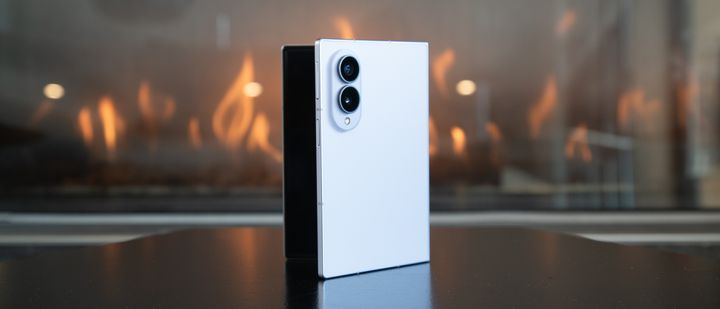
A passport-style folding phone with wider screens and all-day endurance, tempered by missing telephoto zoom. The Samsung Galaxy Z Fold 8 is built for mobile readers and video streamers who want tablet screen real estate without pocketing a tall, heavy brick. Its greatest asset is the redesigned passport form factor, which delivers a wider 4:3 folding display and a much shallower crease. The primary sacrifice is photography: Samsung omitted a dedicated telephoto lens, leaving users to rely on digital crop zoom. Compared to the Apple iPhone Duo and Google Pixel 11 Pro Fold, it lacks full IP68 dust ingress protection and magnetic charging alignment, but it leads the field in folded pocket comfort and mature split-screen multitasking.
A remarkably slim 8-inch foldable with enduring battery life and top-tier silicon, burdened by a steep price and dated zoom. The Samsung Galaxy Z Fold 8 Ultra is designed for power users who want a massive inner screen without carrying extra bulk. Its greatest asset is an exceptionally thin 4.1 mm chassis packed with a dense 5,000mAh silicon-carbon battery that delivers reliable all-day stamina. However, the $2,099 entry price is a significant barrier, especially considering the lack of an integrated S Pen and an aging 3x telephoto sensor. Compared to the Google Pixel 10 Pro Fold, the Fold 8 Ultra is noticeably lighter and faster, but Google offers built-in magnetic Qi2 charging and deeper zoom optics for less money.
A pocketable passport-style foldable that trades away zoom cameras for everyday comfort. The Galaxy Z Fold 8 is best suited for shoppers who want a phone that folds out into a tablet without feeling like an unwieldy brick in the pocket. Its 201-gram chassis and compact 5.5-inch cover display deliver the easiest one-handed handling yet seen on a Samsung foldable, backed by bright 3,000-nit screens and dependable endurance. The catch is the omission of a dedicated telephoto camera, stylus input, and laptop-style Flex Mode. Against rival flagships like the Apple iPhone Duo, it trades camera reach for mature multi-window productivity.
Qualcomm Snapdragon 8 Elite Gen 5 processor in North America, China, and Japan
A capable compact Android flagship held back by stagnant camera hardware and sluggish 25W charging. The Samsung Galaxy S26 is a dependable choice for shoppers who want a compact, pocket-friendly Android phone with top-tier processing power and lengthy software support. Its Snapdragon 8 Elite Gen 5 chip provides smooth everyday performance, and the expanded 4,300 mAh battery delivers noticeable endurance gains over earlier iterations. However, buyers must contend with a $100 price increase, camera hardware virtually unchanged from previous generations, and charging that remains stuck at 25W. Against Google's Pixel 10 Pro and Apple's iPhone 17, it delivers a lighter build but falls behind on optical camera versatility and magnetic charging convenience.
A 120Hz display and doubled base storage make Apple's base model the default recommendation for most buyers. The iPhone 17 is the phone most people should buy, successfully closing the gap with Apple's premium tier without increasing the price. Its biggest strengths are the long-overdue addition of a 120Hz ProMotion display and doubling the base internal storage to 256GB. The main catch is the lack of a dedicated telephoto camera, which limits long-distance zoom compared to similarly priced Android competitors. Compared to the Samsung Galaxy S25 and Google Pixel 10, it delivers faster raw processing and smoother video recording, making it the most balanced standard flagship Apple has produced in years.
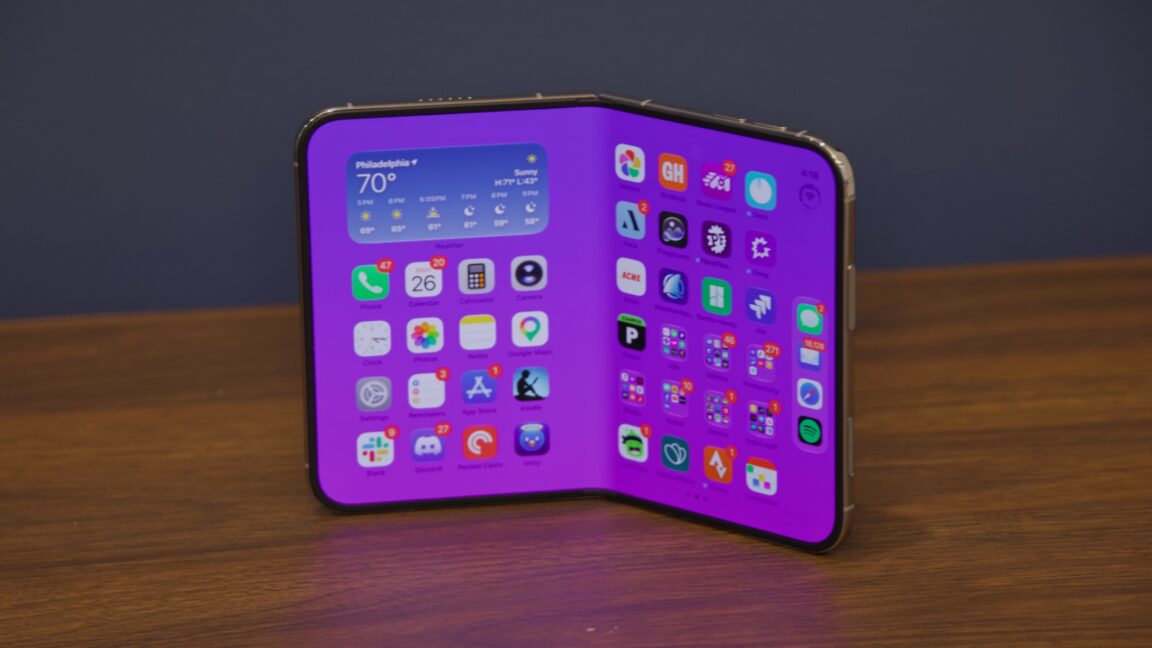
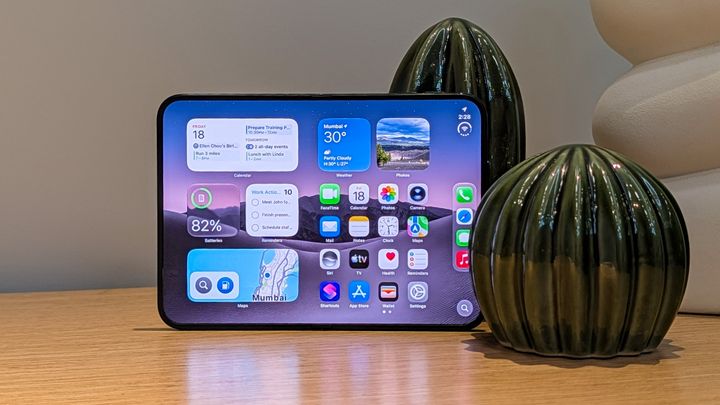
Apple's first foldable delivers refined hardware and a crease-taming display at a steep financial cost. The iPhone Duo is best suited for Apple loyalists and mobile workers who want a pocket phone that unfolds into an expansive 7.6-inch tablet canvas. Its biggest strength is its physical engineering, pairing a sturdy titanium frame and IP68 water resistance with an anti-reflective matte screen that conceals the hinge crease better than rival foldables. The biggest catches are the $1,999 starting price and the sacrifice of flagship perks like a telephoto camera and Face ID. Compared with Samsung's Galaxy Z Fold 8, the Duo delivers stronger battery endurance and a less reflective folding screen, but trails Samsung in multitasking flexibility and weight.
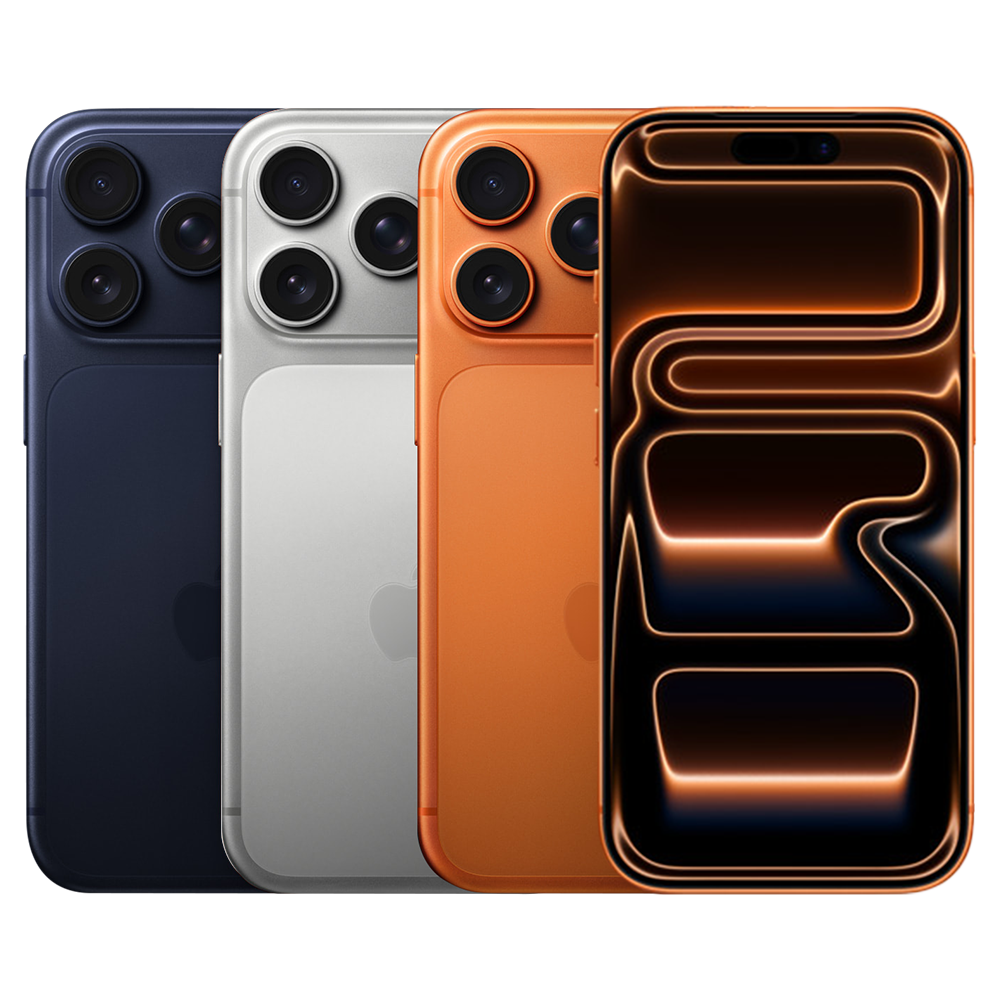
A refined pocket flagship with genuine camera versatility that is burdened by a higher price tag. The iPhone 18 Pro is built for mobile photographers and creators who want pro-tier hardware without carrying a massive handset. Its standout achievement is the new variable-aperture main camera paired with class-leading video fidelity and noticeable battery improvements. The primary drawback is a $100 price increase and modest weight gain over last year. Compared against Samsung's Galaxy S26 and Google's Pixel 11 Pro, it offers superior sustained speed and battery endurance, though its Android competitors remain noticeably less expensive.
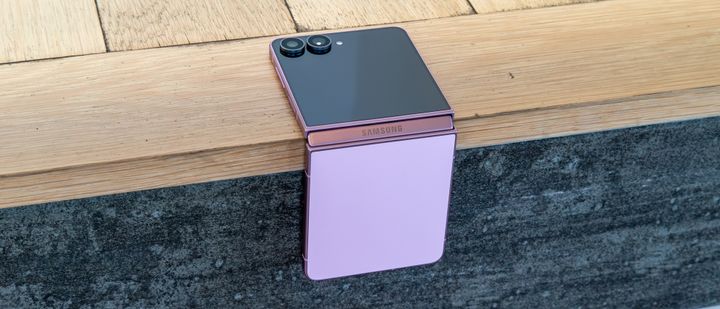
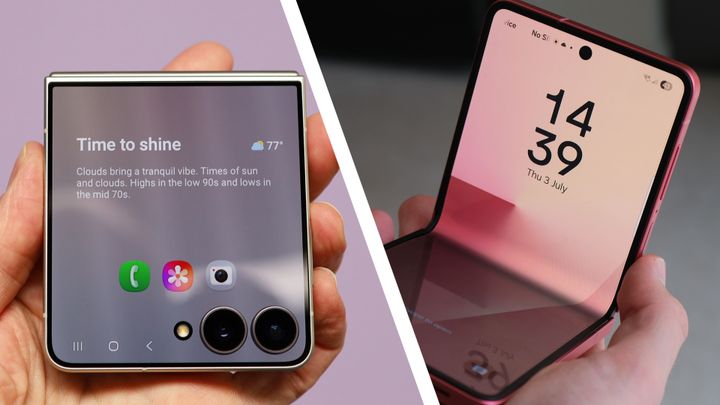
A refined clamshell foldable with a smoother crease and better battery life let down by a higher price tag. The Samsung Galaxy Z Flip 8 is the ideal purchase for shoppers who want a compact, pocketable foldable with top-tier build quality, seven years of software support, and a virtually eliminated crease. Its biggest strength is its sleeker 6.1mm profile and efficient silicon-carbon battery, but the catch is a $100 price hike to $1,199 alongside the continued absence of a dedicated telephoto camera. If you want a more aggressively priced flip foldable with a wider external app ecosystem out of the box, the Motorola Razr Ultra remains the primary alternative.
A refined clamshell foldable with a stunning edge-to-edge cover screen let down by middling endurance. The Samsung Galaxy Z Flip 7 is an easy recommendation for anyone wanting a compact, pocket-friendly phone that does not compromise on build quality or display real estate. Its expanded 4.1-inch 120Hz FlexWindow exterior display and Samsung DeX support bring unmatched utility to the clamshell category. However, its in-house Exynos 2500 processor tends to run warm during heavy workloads, and the camera hardware remains unchanged from its predecessor. Compared to the Motorola Razr Ultra, the Flip 7 offers superior software support and desktop multitasking, but falls behind on sustained gaming efficiency and battery runtime.
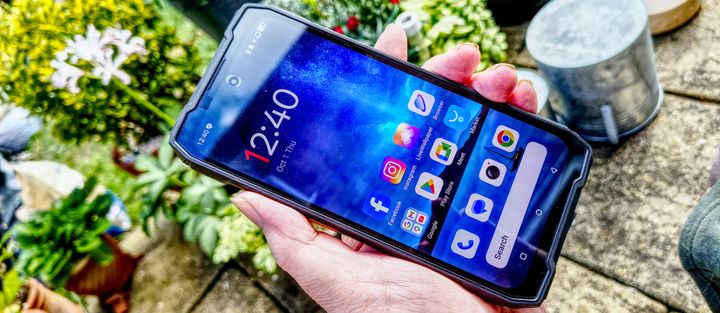
A surprisingly pocketable rugged phone pairing 120Hz AMOLED and Qualcomm silicon with multi-day battery life. The Oscal Pilot 8 is ideal for outdoor workers and adventurers who want heavy-duty protection and multi-day battery life without carrying a bulky half-kilogram brick. Its standout strength is packing an enterprise-grade Qualcomm QCM6690 processor, a 120Hz AMOLED display, and a 10,000mAh battery into a relatively trim 389-gram chassis. The primary drawbacks are a modest 1.2-meter drop rating, the absence of an included charger, and an uncertain long-term software update policy. Compared to competitors like the Oukitel WP500 Ultra or Ulefone Armor series, it trades extreme drop armor and massive 15,000mAh+ bulk for vastly superior pocketability and screen quality.
An impossibly slim 5.6mm titanium smartphone whose bold engineering comes with clear functional trade-offs. The iPhone Air is designed for minimalists who prioritize pocketability and industrial elegance above raw hardware excess. Its 5.6mm titanium chassis and 165g weight make it exceptionally comfortable to hold, while its 6.5-inch 120Hz ProMotion display and A19 Pro silicon ensure smooth everyday responsiveness. However, paying $1,099 requires accepting a solitary rear camera, mono speaker output, and battery longevity that trails standard Pro flagships. Compared to the Samsung Galaxy S25 Edge, the Air offers better structural rigidity and slightly longer battery life, but charges more for fewer camera lenses.
A capable compact flagship whose thermal and battery gains are softened by a higher starting price. The Apple iPhone 17 Pro is aimed at creators and power users who want an uncompromising camera setup and fast silicon in a pocket-friendly 6.3-inch size. Its standout strengths are the redesigned aluminum thermal layout, prolonged battery endurance, and an all-48-megapixel triple camera array. The main drawback is the $100 price hike to a $1,099 starting price, made more noticeable because the entry-level iPhone 17 adopted a 120Hz ProMotion screen. Compared to rivals like the Samsung Galaxy S25, the iPhone 17 Pro offers superior sustained performance and video fidelity, though Samsung delivers better anti-reflective glass and a lower entry cost.
A thinner, faster clamshell foldable burdened by an unchanged camera setup and a higher price tag. The Samsung Galaxy Z Flip 8 is best suited for shoppers seeking a compact, pocketable foldable with class-leading software support and high everyday performance. Its biggest strengths are the svelte 6.1mm chassis, reduced screen crease, and Snapdragon 8 Elite Gen 5 silicon. However, the hardware upgrades over the Flip 7 are modest, and the lack of a dedicated telephoto lens is hard to overlook alongside a $100 price hike. While the Motorola Razr Ultra offers faster charging and longer battery life, Samsung leads on water resistance and long-term software updates.
A refined compact flagship with class-leading brightness and stellar cameras, tempered by middling gaming speeds. The Pixel 11 Pro is built for shoppers who want a fully featured, pocket-friendly flagship with uncompromised cameras, dependable all-day endurance, and clean software. Its primary advantages are a daylight-dominating OLED screen and effortless computational photography, backed by seven years of guaranteed software support. The main drawback remains Google's Tensor G6 silicon, which trails Qualcomm and Apple rivals by a wide margin in heavy 3D gaming tasks. Compared to Samsung's Galaxy S26 and Apple's iPhone 18 Pro, it offers richer photo processing and smarter ambient voice features, but costs more upfront than base Samsung flagships and lacks ultra-fast wired charging.
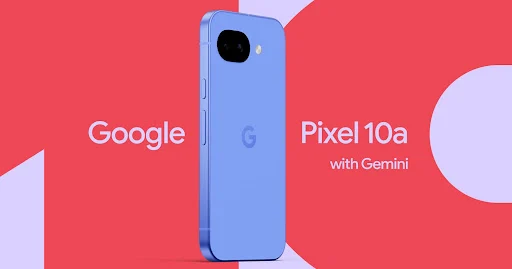
A capable big-screen Galaxy with great battery life, squeezed by an awkward price hike. The Samsung Galaxy S26 FE delivers a solid near-flagship experience for anyone wanting a spacious 6.7-inch screen and dependable battery life without paying four figures. Its greatest strengths are a remarkably slim 7.4mm chassis, strong endurance, and an industry-leading seven-year software support commitment. The major catch is an elevated $700 launch price combined with mid-range compromises: an aging 8MP telephoto camera, no LTPO display scaling, and just 128GB of base storage. While the Google Pixel 10a undercuts it on price and the flagship Galaxy S26 offers better hardware on sale, the S26 FE remains a sensible pick if bought with carrier trade-in discounts.
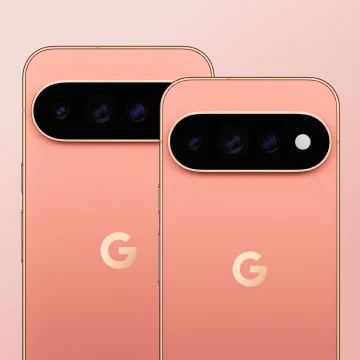
A refined foldable with standout cameras and IP68 durability, held back by an underpowered GPU and a steep price. The Google Pixel 11 Pro Fold is best suited for photography-minded buyers and dedicated Android purists who want a tablet-sized inner display without sacrificing dust protection. Its standout strengths are class-leading foldable photography and certified IP68 water and dust resistance, wrapped in a noticeably lighter 239g frame. The primary compromises are gaming performance that trails rival chips and wired charging capped at a modest 30W. Compared with Samsung's Galaxy Z Fold 8, Google delivers superior zoom photography and magnetic Pixelsnap accessories, but Samsung offers a thinner build and more capable multitasking software.
A mechanical variable aperture and fast 60W charging refine Apple's compact flagship. The iPhone 18 Pro is a sensible choice for mobile creators and anyone upgrading from an iPhone 14 Pro or older who wants top-tier imaging in a manageable 6.3-inch frame. Its greatest strength is the mechanical variable-aperture main camera paired with the efficient 2nm A20 Pro chip, which provides reliable daylight and low-light fidelity alongside fast 60W charging. The primary catch is the $1,199 entry price and a telephoto lens that tops out at 4x optical magnification. Compared to the Samsung Galaxy S26 Ultra, the iPhone 18 Pro is much easier to use one-handed and excels in video recording, though Samsung offers greater telephoto reach.
Apple's first foldable pairs stellar multitasking and anti-glare glass with noticeable camera compromises. The iPhone Duo is built for power users and multitaskers who want iPad-style productivity in a pocketable format without leaving the iOS ecosystem. Its standout asset is the matte nano-texture inner display, which virtually eliminates harsh reflections and softens the center crease. The primary compromise is photography: spending $1,999 gets you dual rear sensors without an optical telephoto lens. Compared to Samsung's lighter Galaxy Z Fold 8, the Duo delivers superior sustained graphics speed and a sturdier hinge, but carries more heft in daily carry.
A triple-200MP camera flagship with marathon endurance burdened by an eye-watering European price. The Oppo Find X10 Pro Max is engineered for mobile photographers and power users who demand uncompromising optical consistency and multi-day battery endurance. Its standout achievement is a triple-200MP camera setup that delivers matching color rendition and detail across ultra-wide, wide, and 3x telephoto focal lengths. However, its €1,799 European launch price is steep, and EU models ship with a 7,150mAh battery rather than the 8,000mAh capacity found in Asian variants. Compared to main rivals like the Samsung Galaxy S26 Ultra and iPhone 18 Pro Max, Oppo delivers more daring camera hardware and battery capacity, but offers shorter update longevity and lacks an official US presence.
Apple's folding debut pairs a low-glare screen with top performance, but demands huge compromises. The iPhone Duo is designed for early adopters and dedicated multitasking enthusiasts who want a pocket-sized mini-tablet within iOS and can absorb a high price tag. Its greatest asset is the matte nano-texture 7.6-inch folding display, which suppresses reflections and conceals the center crease far better than rival screens. The trade-offs are substantial: buyers lose Face ID in exchange for a side Touch ID sensor, and there is no dedicated telephoto lens. Compared to the lighter Samsung Galaxy Z Fold 8, the Duo delivers genuine IP68 water and dust protection and stronger sustained graphics speeds, though third-party app scaling remains a work in progress.
A slimmer, brighter clamshell foldable held back by unchanged cameras and a higher price tag. The Galaxy Z Flip8 is ideal for shoppers seeking a pocketable, premium flip phone with refined build quality and long-term software support. Its standout strengths are a slimmer 180-gram chassis, a brighter 120Hz cover screen, and a less noticeable display crease. The biggest drawback is that Samsung kept the same camera hardware for another generation while bumping the starting price by $100. Against the Motorola Razr Ultra, which offers frictionless cover-screen app access and faster 68W charging, Samsung counters with superior water resistance, smoother hinge mechanics, and seven years of updates.
Apple's first foldable pairs a superb nano-texture display with laptop-grade speed, but skips key Pro camera hardware. The iPhone Duo is built for mobile power users who want an iPad mini-sized canvas that folds into a pocketable passport profile. Its greatest strength is the internal folding display, which pairs a refined hinge with a glare-resistant nano-texture finish that hides the center crease far better than competitors. The catch is the $1,999 starting price coupled with hardware omissions, including the loss of Face ID and a dedicated telephoto zoom lens. Against the Samsung Galaxy Z Fold 8, the Duo delivers noticeably faster processing and cleaner reflection handling, though Samsung offers a more versatile triple-lens zoom array.
A passport-style redesign delivers exceptional pocketability and video viewing, though dropping zoom hurts. The Samsung Galaxy Z Fold 8 is best suited for shoppers wanting foldable tablet utility in a chassis that feels natural to hold and carry every day. Its wider 5.5-inch cover screen and 7.6-inch 4:3 inner display fix the awkward aspect ratios of prior generations, complemented by a lightweight 201g frame and dependable all-day battery life. The primary catch is the loss of a dedicated optical telephoto lens, which limits zoom performance to digital crops on the 50MP sensor. Against the heavier Apple iPhone Duo and the taller Z Fold 8 Ultra, the standard Fold 8 strikes the most comfortable balance for media and mobile ergonomics.
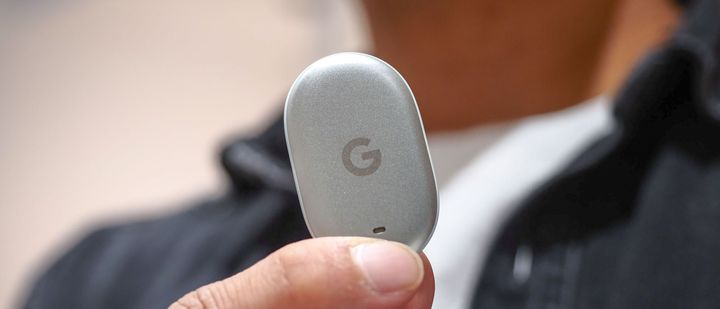
Google's sleek tracker brings precision finding and two-way ringing to Android. The Google Pixel Tag is the best tracking beacon for Android owners, especially those carrying a Pixel or Galaxy handset with Ultra Wideband support. Its biggest strengths are its ultra-slim profile, reliable two-way phone ringing, and persistent low-battery alerts that prevent dead tags. The main catch is the lack of an integrated lanyard hole, forcing owners to purchase an accessory pouch to clip it onto keys. Compared to the Apple AirTag, it offers superior reverse finding and thinner wallet-friendly packaging while matching its $29 entry price point.