Over-ear headphones
Travel ANC headphones and specialist home-listening models serve different needs. A larger budget does not guarantee a better fit.
BUYING GUIDE · RECOMMENDATIONS REVIEWED
Balance sound, comfort, calls and isolation for your commute, desk or living room.
We summarize professional reviews; we don't test products ourselves. We may earn a commission from purchases or qualifying sign-ups through our links. Affiliate links explained How we work
Selections reflect the use cases below. The number of coverage links does not determine the picks; current prices can change the value case.
The Q45 earns its place through isolation, comfort and a protective case, rather than a long list of premium features. It is the stronger travel choice over the Space One when the price gap is small. Expect to adjust the sound in the app, and try the ANC settings if maximum cancellation feels uncomfortable.
Price check: Pay more than the Space One only if the isolation, fit and case improve your use. Compare both at the prices you find.
Also compare Soundcore Space One →
Compromise: Sound may need adjustment in the app
Strong noise cancellation, extensive sound controls and a folding design make the XM6 easy to recommend for frequent travel. Comfort is the point on which the reviews disagree, so buy somewhere with a sensible return policy. There is no USB-C audio; Bose’s second-generation Ultra is the alternative if that connection matters.
Price check: The extra cost over the Soundcore options needs to earn its place through isolation, sound or features you will use.
Also compare Bose QuietComfort Ultra →
Compromise: No USB-C audio; comfort is personal
Adjust the sound to taste and try the deeper fit before committing.
Price check: Compare the exact configuration and total cost, including any accessories or subscription. Retailer links do not establish a current price or discount.
Also compare Sony WF-1000XM6 →
Compromise: Deep fit is not for everyone; Default tuning may need EQ
These are spending limits for each product type, not quoted prices or a reason to pay more. Available offers determine which models fit. Amounts are in USD, before tax and shipping.
Travel ANC headphones and specialist home-listening models serve different needs. A larger budget does not guarantee a better fit.
Compare complete earbuds with their charging case, and check phone compatibility and fit.
Choose the use case first: travel noise, office calls, exercise or listening at home. The best fit for one can be awkward for another.
Check comfort and fit as well as measurements. Glasses, ear shape and the seal can change both sound and noise cancellation.
Verify wired audio, microphone behavior, device switching and codec support with the devices you own. Check the return policy before committing.
Ask yourself: Can I wear these for hours, and do the features I care about work on my phone or computer?
An alphabetical directory of reviewed models, including specialist and older alternatives. Inclusion is not a recommendation for every buyer.
Platinum
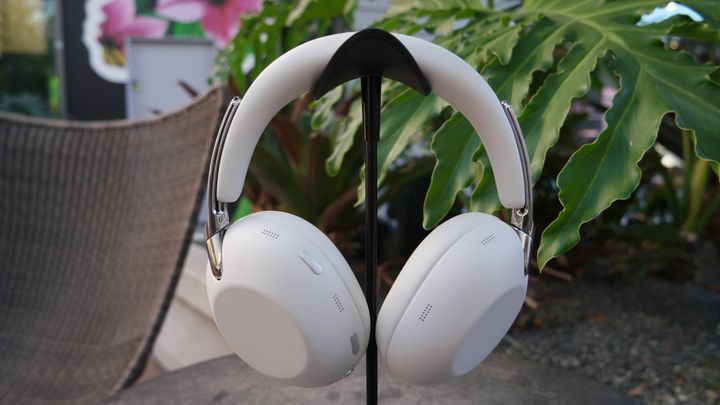
Sony anniversary headphones deliver luxury materials and refined acoustics, but battery life takes a hit. The Sony 1000X The Collexion is designed for commuters and audiophile-leaning listeners who want top-tier noise cancellation paired with elevated build quality and mature acoustic tuning. Its standout strengths are spacious soundstage separation, premium vegan leather construction, and pillowy long-session comfort. The primary compromise is a shorter battery run of roughly 26 hours and the omission of USB-C wired digital audio. Compared to luxury rivals like the Bowers & Wilkins Px8 S2 and Apple AirPods Max 2, it offers lighter clamping comfort and broader codec support, though it carries a steep $200 surcharge over Sony's standard WH-1000XM6.
1 published review link

Jet Black version of this review
Class-leading call clarity and plush comfort make up for a bass-heavy default sound and average extra features. The Anker Soundcore Space 2 Pro is built for hybrid professionals and commuters who spend considerable time on calls and want comfortable over-ears without paying flagship prices. Its biggest strength is the custom Thus AI chip and six-microphone array, delivering background voice isolation that outperforms many $400 competitors. The main catch is its stubbornly bass-forward sound signature and a 30-hour ANC battery runtime that falls behind cheaper Soundcore models. While premium alternatives like the Sony WH-1000XM5 still hold the edge in acoustic balance and high-frequency noise blocking, the Space 2 Pro offers compelling workday utility at $200.
4 published review links
AirPods Max 2
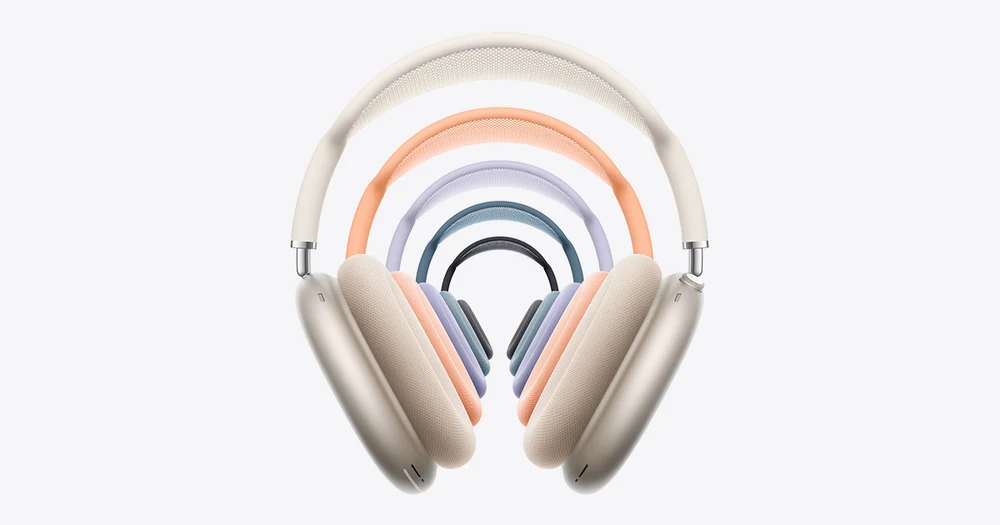
Quick verdict. Trusted Reviews heard clearer vocals than on the original AirPods Max and rated the noise cancellation highly. Sound quality is the main reason to consider this update.
3 published review links
black Beats 360 review unit
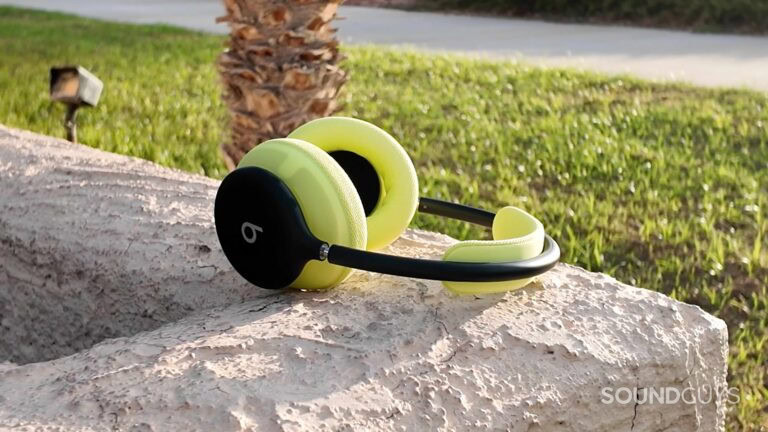
A sweatproof, modular over-ear headset tailored for workouts but held back by missing convenience features. The Beats 360 is built for gym-goers and runners who prefer over-ear headphones to in-ear buds, offering an IPX4 water-resistance rating and machine-washable modular cushions. Its biggest strength is its physical design, pairing secure clamping force with breathable knit earpads and strong active noise cancellation. The biggest catch is the omission of everyday conveniences, most notably the lack of wear detection to auto-pause audio and the total removal of wired listening. While the older Beats Studio Pro offers wired USB-C audio and folds down smaller, and the Sony WH-1000XM5 blocks more low-frequency noise, the Beats 360 stands out as the most durable over-ear option for active lifestyles.
3 published review links
Dewdrop Mint
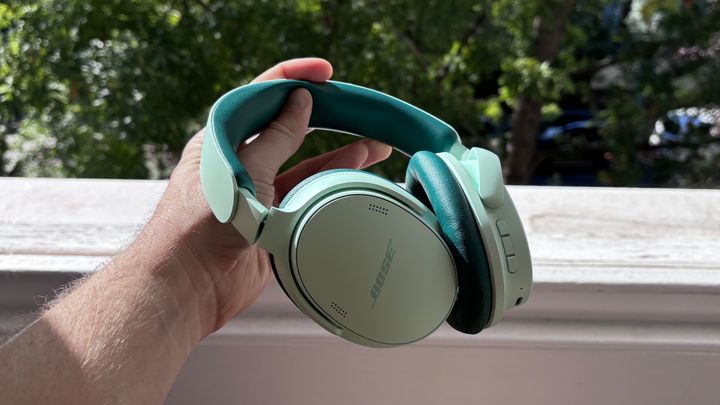
Flagship noise cancelling and sublime comfort in a lightweight design, held back only by average battery life. The Bose QuietComfort Headphones (2nd Gen) are ideal for frequent travelers, commuters, and desk workers who prioritize all-day physical comfort and elite noise cancellation over audiophile perfection. Their greatest asset is flagship-level ANC paired with an ultra-light 230-gram chassis that remains comfortable across marathon listening sessions. The primary trade-off is battery longevity, which maxes out at 24 hours and pales next to the 50-plus hours offered by key rivals. Compared to the Sennheiser Momentum 5 Wireless, the Bose delivers stronger background silencing and lighter clamping, though Sennheiser provides significantly longer battery life and a more dynamic, detailed sonic signature.
5 published review links
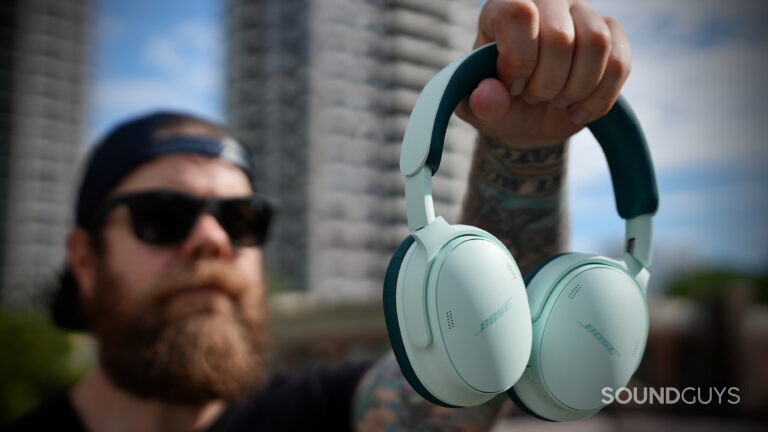
Bose QuietComfort Headphones (2nd Gen)
First-rate noise cancellation and plush comfort wrapped in a lighter, button-friendly design. The Bose QuietComfort Headphones (2nd Gen) are an ideal pick for frequent flyers and commuters who prioritize supreme comfort, dependable physical controls, and top-tier noise cancellation. They bring Bose Immersive Audio and lossless USB-C playback down from the premium Ultra line into a lightweight 230-gram frame. While their 24-hour battery life and standard SBC and AAC Bluetooth codec support lag behind competitors like the Sennheiser Momentum 5 Wireless, their class-leading active noise reduction and plush fit make them a compelling choice, especially when discounted below retail.
5 published review links
QuietComfort Headphones (2nd Gen)
Supreme travel comfort and elite noise cancellation offset modest battery life and basic codec support. Frequent travelers and remote workers who want unmatched long-session comfort and top-tier noise reduction will find the Bose QuietComfort Headphones (2nd Gen) an easy everyday pick. Its biggest strength is its featherlight 230-gram folding chassis combined with class-leading noise cancellation that reliably muffles travel drone and office chatter. The primary drawback is its ordinary 24-hour battery life and lack of high-resolution Bluetooth codecs like LDAC or aptX. Compared to the Sony WH-1000XM5, the Bose offers a lighter, foldable frame and physical button controls, though the Sony delivers longer runtime and higher wireless audio fidelity.
5 published review links

Rosewood Mauve
Unmatched travel comfort and top-tier noise cancellation elevate an otherwise iterative update. The Bose QuietComfort Headphones (2nd Gen) are the ideal pick for frequent flyers, daily commuters, and desk workers who prioritize long-session physical comfort and class-leading active noise cancellation. Its primary strengths are a featherweight 230-gram frame, plush earcups, and noise reduction that matches Bose's higher-tier flagship headphones. The biggest catch is the 24-hour battery life, which trails the 40 to 60 hours common on modern rivals, alongside the omission of high-resolution Bluetooth codecs. While the Sennheiser Momentum 5 and Sony WH-1000XM5 offer punchier musical dynamics and more stamina, the Bose remains the standard for effortless wearability.
1 published review link
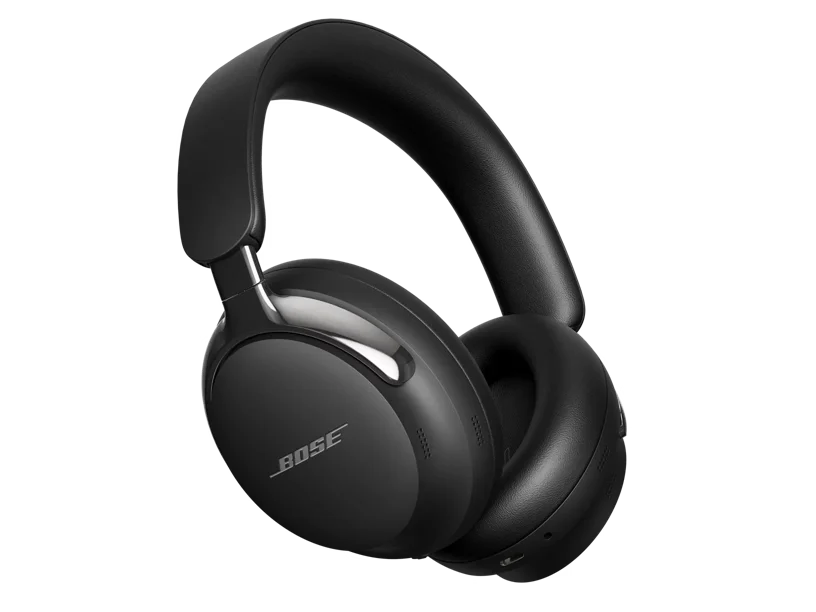
Headphones, 2nd generation; not earbuds or original model
Premium isolation with a useful wired option. The second-generation Ultra adds USB-C listening to an already capable noise-cancelling design. That is a useful distinction from Sony’s XM6, though the overall upgrade is modest for owners of the original Bose model. Fit and connection needs are better reasons to choose it than the promise of a dramatic generational leap.
4 published review links
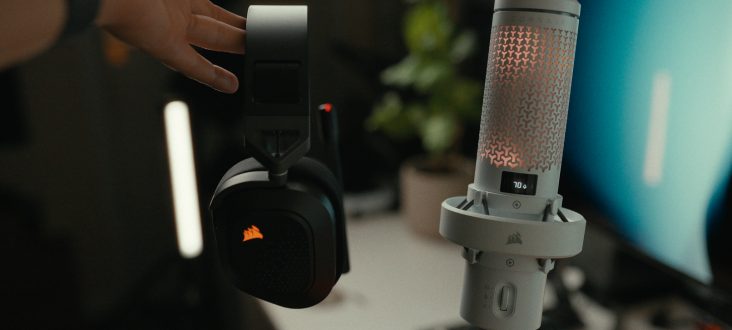
Corsair HS80 v2 MAX
Massive battery gains and top-tier comfort are tempered by software quirks and a weaker microphone. The Corsair HS80 v2 MAX is built for multi-platform PC and PlayStation gamers who prioritize marathon battery endurance and breathable physical comfort. Its strongest asset is an outstanding 110-hour wireless battery life paired with simultaneous Bluetooth and 2.4GHz mixing. However, the catch is a boom microphone that takes a noticeable step backward from the original HS80, alongside buggy companion software. Compared to its primary rival, the Razer BlackShark V2 Pro, the HS80 v2 MAX features a sturdier build and floating headband, but falls well short on vocal clarity and competitive audio tuning.
2 published review links
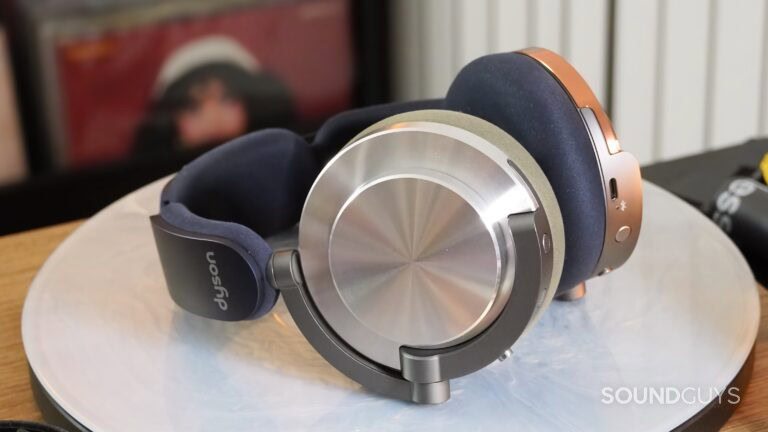
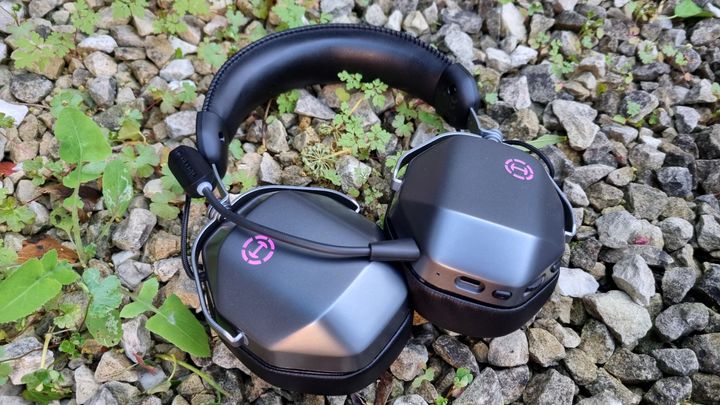
Edifier G5 Max
A multi-platform headset pairing marathon battery life with immersive spatial sound and a middling microphone. The Edifier G5 Max is built for gamers who hate charging their peripherals and want multi-platform flexibility alongside immersive spatial sound. Its headline feature is an extraordinary 305-hour rated battery, paired with a lightweight 305g frame and versatile 2.4GHz, Bluetooth 6.0, and wired connections. The trade-offs are a mediocre microphone and a default acoustic tuning that requires software tweaking to shine. While the HyperX Cloud Alpha Wireless matches its marathon battery with sturdier construction, the G5 Max counters with broader Bluetooth codec support and lighter weight.
1 published review link
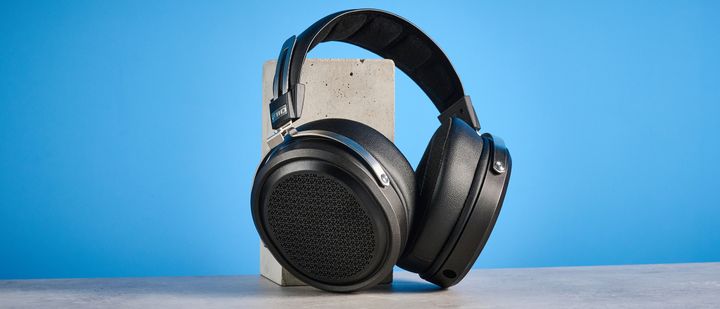
FiiO FT1 Pro
Affordable open-back planar headphones with warm tuning, generous cables, and great comfort. The FiiO FT1 Pro is designed for budget-conscious audiophiles and desktop listeners who want the speed and separation of planar magnetic drivers without spending hundreds of dollars on amplification. Its greatest asset is an accessible, fatigue-free tonal balance backed by two detachable cables and plush earpads. The main drawback is a slightly polite treble response and modest micro-detail compared to classic studio monitors. Against the rival HiFiMan Sundara, the FT1 Pro offers fuller lower-midrange body and a better accessory package, though it cedes some top-end air and sparkle.
1 published review link

Hifiman Arya WiFi
High-end open-back planar sound liberated by Wi-Fi streaming, offset by modest battery life. The HiFiMAN Arya WiFi is designed for home audiophiles who want to experience planar magnetic sound without remaining tethered to a desktop amplifier and DAC. Its standout strength is lossless Wi-Fi network streaming powered by onboard Hymalaya R2R DACs, delivering an expansive and dynamic presentation that standard Bluetooth headphones cannot match. The biggest drawback is its 6.5 to 7.5 hour Wi-Fi battery life and the complete lack of noise isolation from its open-back architecture. Compared to luxury travel headphones like the Focal Bathys, the Arya WiFi offers superior acoustic spaciousness and detail in quiet rooms, but sacrifices portability, microphones, and travel utility.
1 published review link

Hifiman HE1000 WiFi
Flagship open-back planar performance untethered by cables, tempered by modest Wi-Fi battery life. The Hifiman HE1000 WiFi is built for discerning audiophiles who want true reference-tier desktop sound quality without being chained to an external amplifier and DAC stack. Its chief strength is uncompressed, high-bandwidth streaming that delivers a vast, nuanced planar soundstage rivaling top-tier wired models. The primary compromise is practical: Wi-Fi streaming depletes the battery in roughly seven hours, recharging takes nearly four hours, and there is no passive analog bypass. Compared to the $1,449 Hifiman Arya WiFi, the HE1000 WiFi extracts greater micro-detail and textural resolution, making it worth the premium for home listeners who demand flagship planar fidelity.
1 published review link
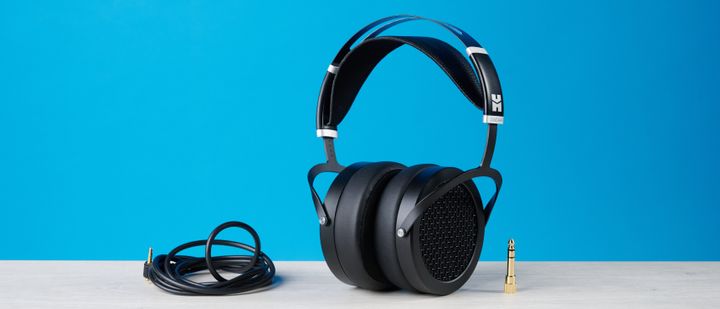
HIFIMAN Sundara
A benchmark for budget audiophile headphones delivering reference-grade clarity with minimal extras. The HIFIMAN Sundara remains a top recommendation for music enthusiasts seeking true planar magnetic resolution without spending high-end money. Its biggest strength is an exceptionally balanced, airy sound profile with crisp midrange clarity and pinpoint instrument separation. The biggest drawback is the entirely passive open-back design, which leaks audio heavily and demands a decent headphone amplifier to perform at its best. Compared to the classic dynamic Sennheiser HD 600 series, the Sundara delivers superior sub-bass extension and a more spacious soundstage, making it the stronger all-rounder for critical home listening.
1 published review link
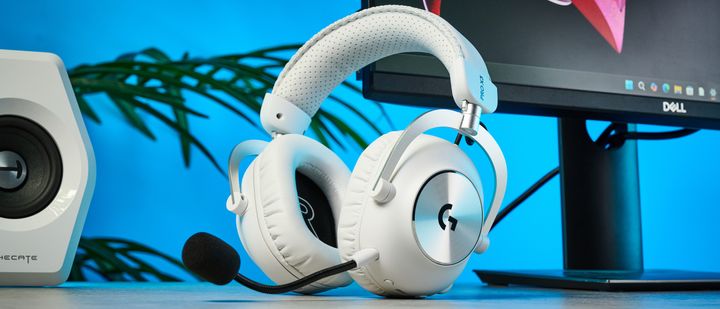
white
A superb microphone upgrade and 70-hour battery let down by missing flagship features. The Logitech G Pro X3 Lightspeed is best suited for competitive PC gamers who want tournament-grade spatial audio, sturdy metal construction, and clean voice comms without relying on an external USB desk microphone. Its standout improvement is the overhauled 48 kHz boom microphone paired with 50mm graphene drivers, resolving the compressed vocal quality that troubled earlier Pro headsets. The primary catch is the $249.99 price tag on a headset that lacks active noise cancellation, simultaneous dual-source audio mixing, and an on-ear chat balance wheel. While rivals like the Razer BlackShark series offer broader multi-device versatility and active isolation around this price, the Pro X3 delivers an exceptionally durable build, 70-hour battery life, and granular 10-band PC EQ tuning.
1 published review link
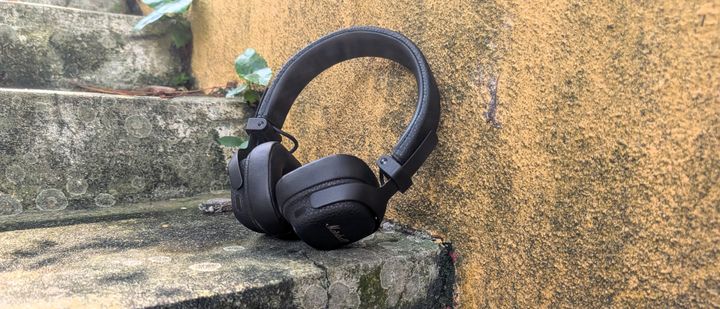
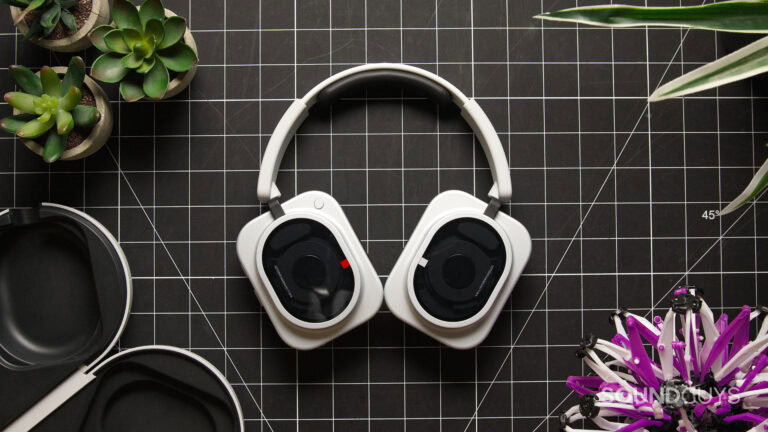
Nothing Headphone 1 Pro
Striking acoustics and tactile dials meet an unwieldy travel case at a premium price. Nothing's Headphone 1 Pro steps into flagship territory with a complex triple-driver acoustic system and tactile physical controls that make touch gestures feel obsolete. Its sharpest asset is treble clarity and high-end instrument separation, giving acoustic tracks and vocal monitoring exceptional detail. The biggest drawbacks are an impractically bulky case and a relatively heavy 327g chassis that can cause seal issues with glasses. It undercuts the Apple AirPods Max while offering richer parametric EQ tools, though the Sony WH-1000XM6 remains lighter and easier to fold for frequent travelers.
4 published review links
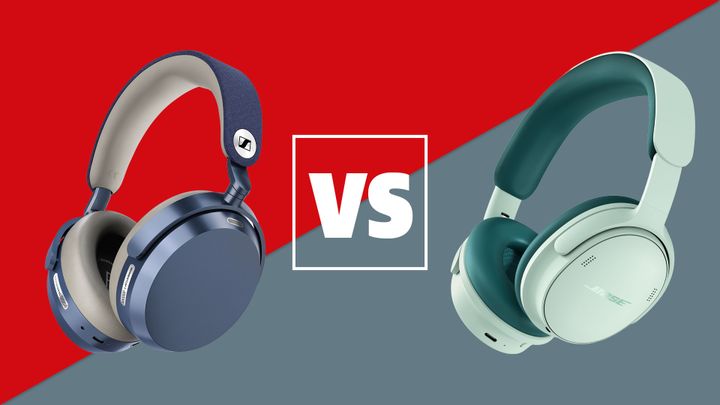
Momentum 5 Wireless
Class-leading battery life, repairable battery, and refined sound offset good but second-tier noise canceling. The Sennheiser Momentum 5 Wireless is an ideal choice for frequent travelers and audiophile-leaning commuters who prioritize sound quality, repairability, and exceptional endurance over absolute silence. Its standout attributes are an expansive 57-hour battery life and an accessible, user-replaceable battery cell, a genuine rarity among modern flagships. The catch is active noise cancellation that, while noticeably upgraded over the previous generation, still trails the benchmark silence of Sony and Bose. If you want the deepest cabin hush, the Sony WH-1000XM6 or Bose QuietComfort Ultra Headphones hold the edge, but the Sennheiser delivers a more natural musical balance and far greater longevity.
1 published review link
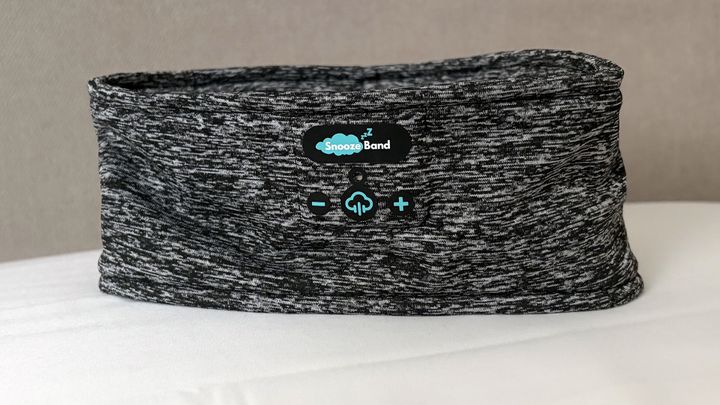
SnoozeBand Original
An affordable, side-sleeper headband with thin speakers and clear ambient audio, let down by weak music fidelity. The SnoozeBand Original is best suited for side sleepers and bedtime listeners who want to drift off to podcasts, audiobooks, or white noise without the ear pressure of conventional earbuds. Its flat 4mm speakers and soft, elastic fabric make resting sideways against a firm pillow painless. The trade-off is underwhelming audio fidelity for music and an absence of active noise cancellation, meaning it softens loud snoring and ambient noise rather than eliminating them. Against dedicated sleep earbuds like the Soundcore Sleep A20, the SnoozeBand is substantially cheaper and spares your ear canals, but provides less passive acoustic isolation.
1 published review link
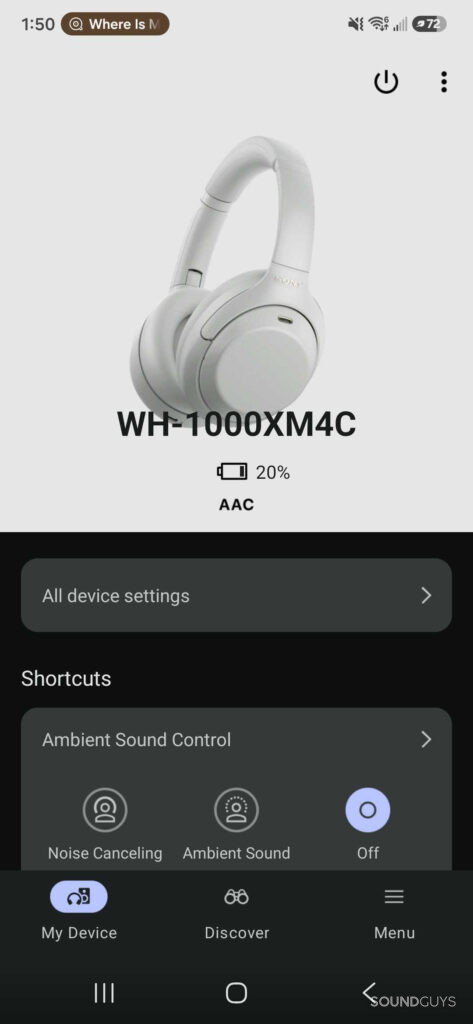
Sony WH-1000XM4C
Sony revives a favorite folding design with refined sound, modern Bluetooth 6.0, and a replaceable battery. The Sony WH-1000XM4C is a targeted reissue built for travelers and daily commuters who missed the ultra-compact folding chassis of earlier models. Its greatest asset is delivering proven, high-grade noise cancellation and engaging audio tuning in a portable package for under $300. The main drawback is that rated playback drops slightly to 27 hours with noise cancelling to accommodate a user-replaceable cell. While the flagship WH-1000XM6 delivers sharper high-frequency detail and stronger voice silencing, the XM4C hits a practical, economical sweet spot.
3 published review links
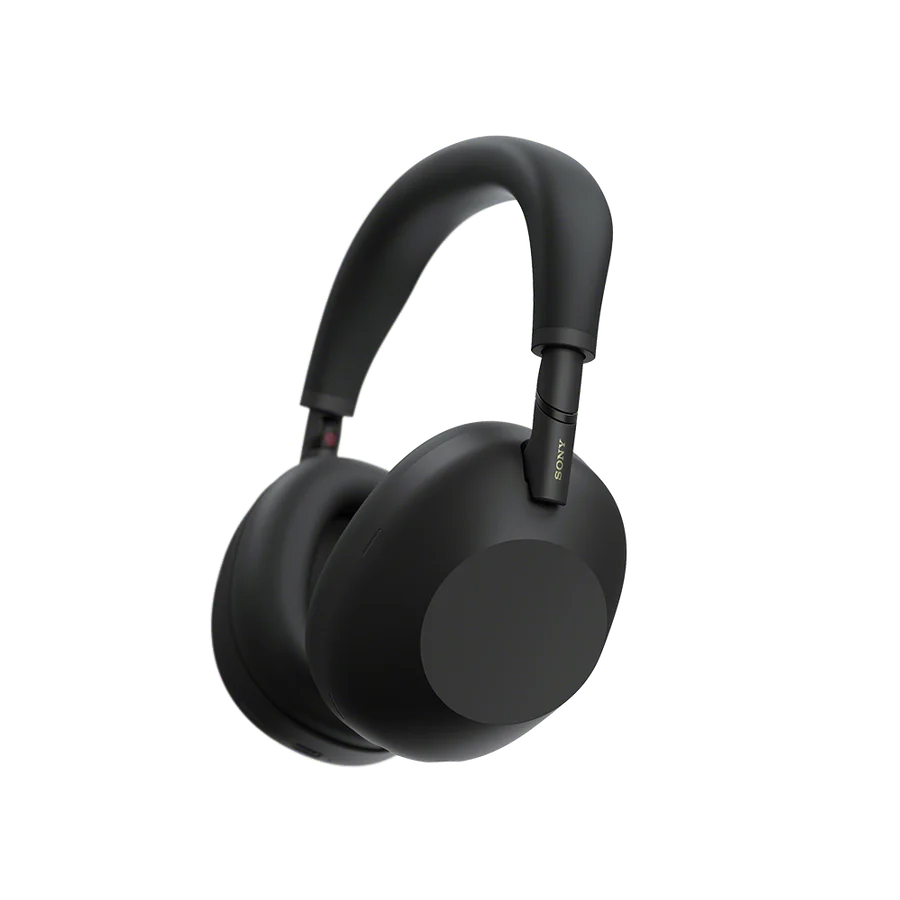
Over-ear headphones; not WF-1000XM6 earbuds
A compelling travel pair, provided the fit works. Strong noise cancellation, extensive sound controls and a folding design make the XM6 easy to recommend for frequent travel. Comfort is the point on which the reviews disagree, so buy somewhere with a sensible return policy. There is no USB-C audio; Bose’s second-generation Ultra is the alternative if that connection matters.
4 published review links
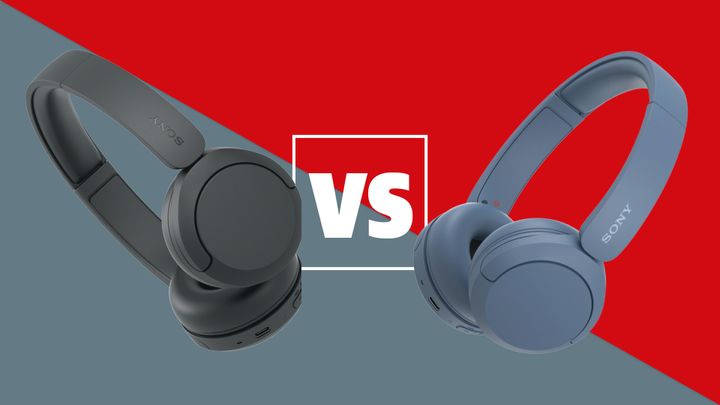
Sony WH-CH520
Lightweight on-ear headphones with exceptional battery life and sound tuning that outshine their budget build. The Sony WH-CH520 is a sensible purchase for students, commuters, and budget-conscious listeners who want dependable wireless audio for music and calls without spending over $60. Its primary strength is the combination of over 50 hours of battery life with app-based sound customization and seamless multipoint pairing. The main compromise is the on-ear design, which provides virtually no noise isolation and can press uncomfortably against the ears during longer sessions. Compared to over-ear competitors like the Anker Soundcore Life Q30, the WH-CH520 lacks active noise cancellation and a wired backup jack, but offers cleaner default sound balance and noticeably longer battery life.
1 published review link
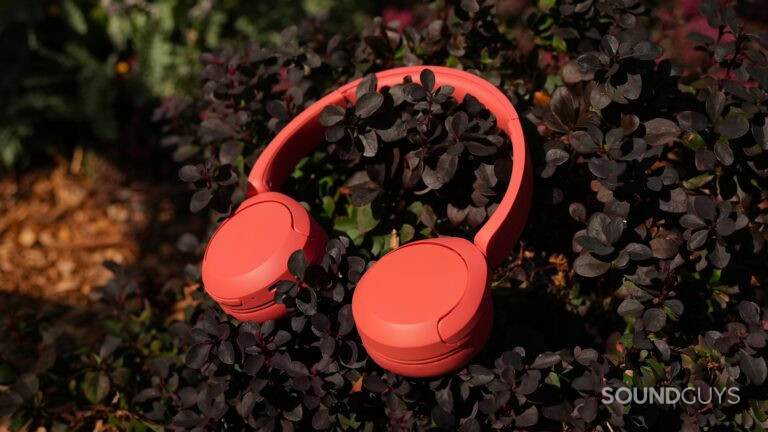
Sony WH-CH530
Punchy audio and exceptional 55-hour battery life make these lightweight on-ears a budget standout. The Sony WH-CH530 is an ideal choice for students, commuters, and casual listeners who want great sound and multi-day endurance without spending triple digits. Its biggest strength is expressive, well-balanced audio tuning backed by an impressive 55-hour battery and seamless multipoint pairing. The primary catch is the on-ear format, which lacks active noise cancellation, does not fold into a compact ball, and can create fatigue during marathon listening sessions. Compared to the outgoing WH-CH520, the WH-CH530 brings cleaner dynamics, Bluetooth 6.0 with LE Audio support, and even longer stamina, comfortably securing its position as a top-value everyday headphone.
2 published review links
Coral
Punchy sound, 55-hour battery life, and Bluetooth LE make Sony's entry-level on-ears an easy budget pick. The Sony WH-CH530 is an outstanding purchase for students, commuters, and everyday listeners seeking reliable wireless audio under $70. Its greatest strength is its lively, well-balanced sound reproduction and class-leading 55-hour battery endurance. The biggest trade-offs are the lack of active noise cancellation and an earcups-only swiveling frame that cannot fold into a compact bundle. Compared to over-ear alternatives like the JLab JBuds Lux ANC, the CH530 sacrifices noise cancellation for a significantly lighter 150-gram build and better audio tuning.
2 published review links
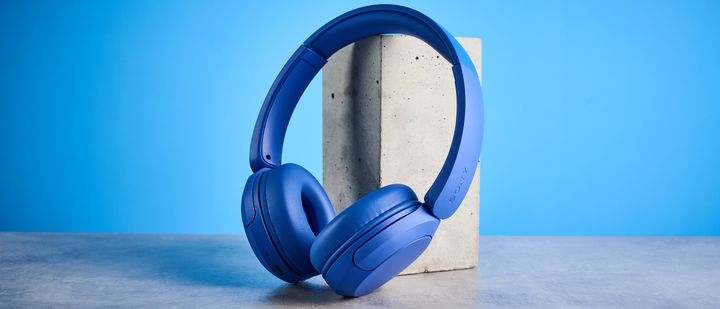
cobalt
Superb everyday budget sound and 55-hour battery life let down only by the quirks of on-ear fit. The Sony WH-CH530 is an ideal purchase for commuters, students, and everyday listeners looking for clean sound on a strict budget. Its biggest strength is audio quality that punches far above its price tag, backed by a class-leading 55-hour battery and modern Bluetooth 6.0 features. The primary drawback is its on-ear format, which can create ear fatigue during long sessions and lacks active noise cancellation. Compared to the older WH-CH520, it brings clearer dynamics and longer battery life, making it well worth the modest step up in cost.
3 published review links

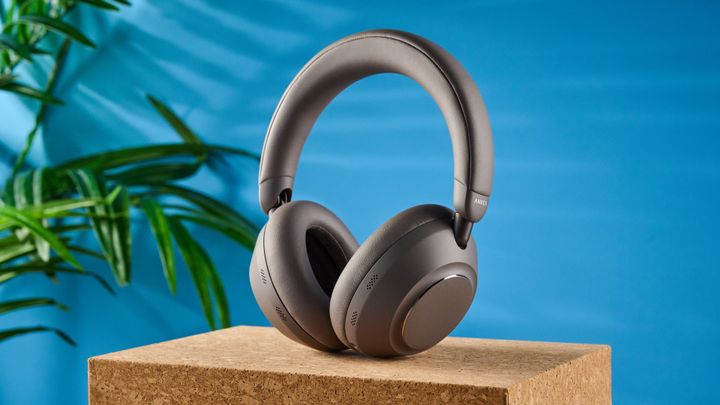
Soundcore Space 2 Pro
Terrific call clarity and plush comfort make these $200 noise-cancelling headphones a smart office pick. The Soundcore Space 2 Pro is best suited for hybrid workers and frequent callers who want class-leading microphone performance and strong noise cancellation without spending $350 or more. Its standout strengths are its plush 262-gram build and an AI-assisted microphone array that isolates speech in loud rooms. However, the stock sound profile leans heavily into low-end bass, and battery life is rated at 30 hours with noise cancellation on—noticeably less than cheaper Soundcore alternatives. While flagship rivals from Bose and Sony provide more balanced sound out of the box, the Space 2 Pro matches much of their everyday utility at $200.
5 published review links
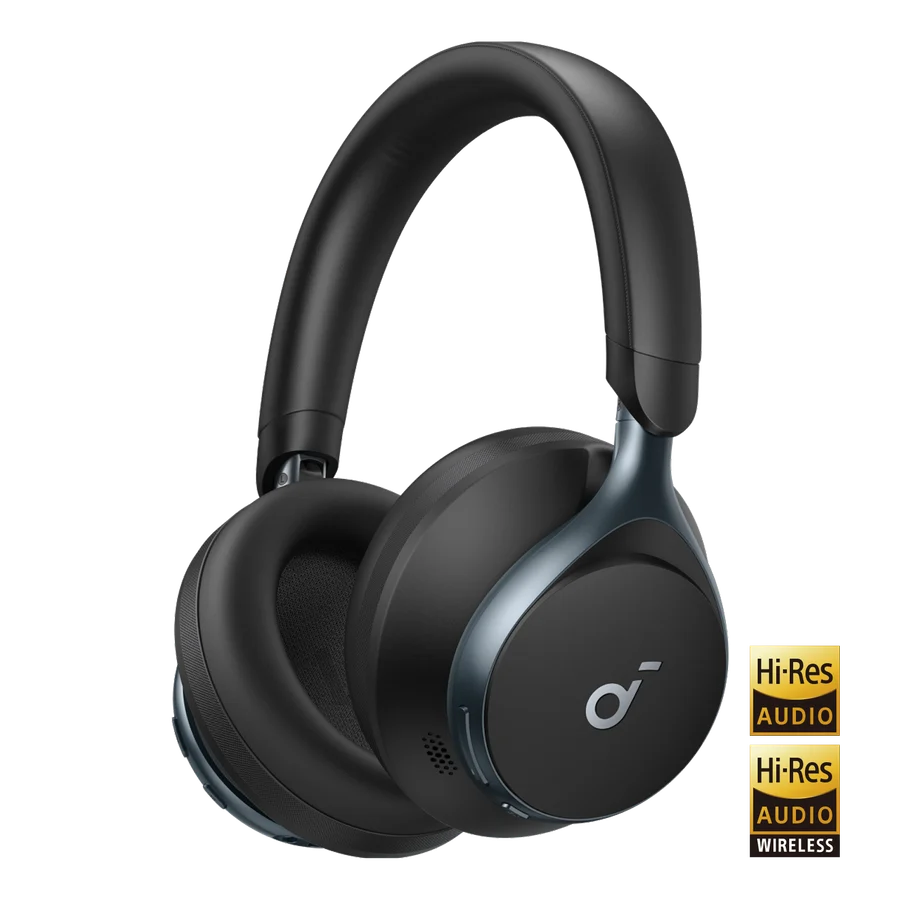
A3035 over-ear headphones; not Space One Pro
Good everyday ANC without the flagship bill. The Space One covers the essentials for commuting: adjustable sound, useful noise cancellation and multipoint connections. The compromises are the soft pouch and inconsistent wear detection. If the Q45 costs only a little more, its stronger isolation and hard case make it the better travel purchase.
3 published review links
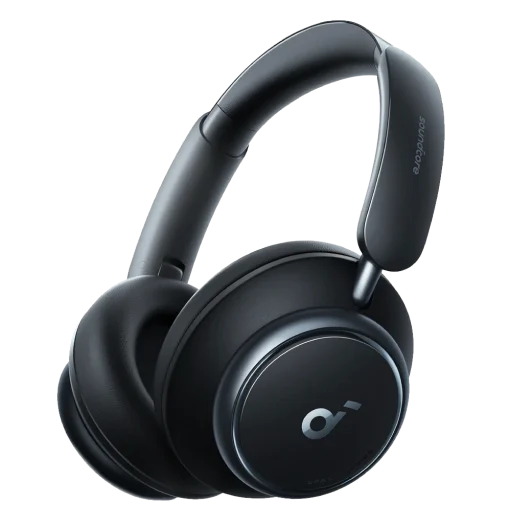
Space Q45 over-ear headphones; not Life Q35
The travel upgrade worth checking first. The Q45 earns its place through isolation, comfort and a protective case, rather than a long list of premium features. It is the stronger travel choice over the Space One when the price gap is small. Expect to adjust the sound in the app, and try the ANC settings if maximum cancellation feels uncomfortable.
3 published review links
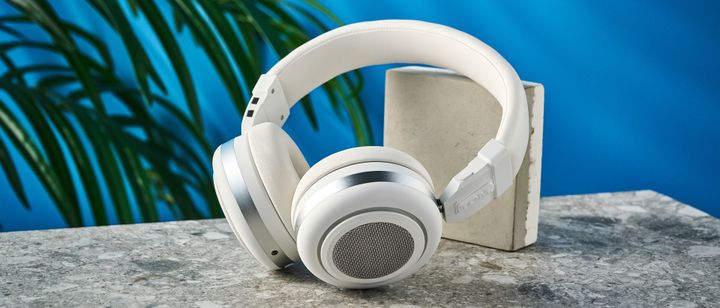
TDM. Neo
TDM. Neo roundup: Novel twist-to-speaker design with massive battery life, but compromised audio. The TDM. Neo is aimed at travelers, students, and minimalists who want a single gadget that handles both private listening and quick room sharing without carrying a second device. Its clear strengths are an innovative twisting hinge mechanism and battery life rated at over 200 hours in headphone mode. However, the catch is compromised audio fidelity in both configurations, an absence of active noise cancellation, and a steep $249 price tag. Shoppers who value audio quality and travel isolation will get better results by pairing proven ANC headphones like the Sony WH-1000XM4 with a standalone compact travel speaker.
2 published review links
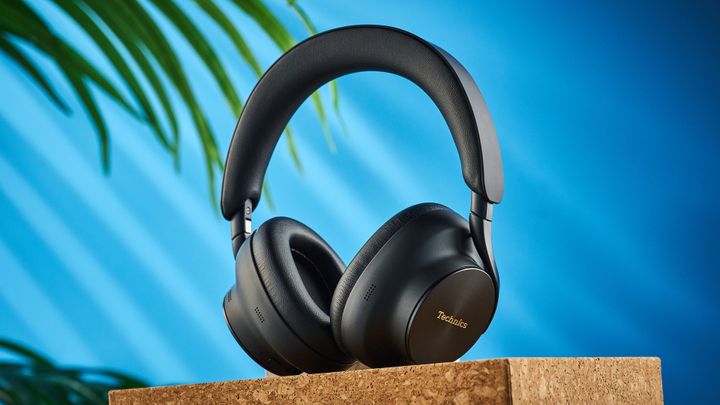
Technics EAH-A1000
Refined sound and marathon battery life in a plush design, tempered by ordinary noise cancellation. The Technics EAH-A1000 is a compelling choice for listeners who prioritize natural, transparent audio fidelity and marathon battery life over absolute silence. Its standout strength is the 40mm magnetic fluid driver array, which delivers an open, low-distortion soundstage alongside a generous 45-hour battery reserve and wired USB-C audio support. The primary drawback is an active noise cancellation system that fails to match class leaders, coupled with stiff physical control buttons. While the Sony WH-1000XM6 and Bose QuietComfort Ultra dampen transit rumble more effectively, the A1000 outlasts them on battery and offers three-device multipoint pairing.
1 published review link

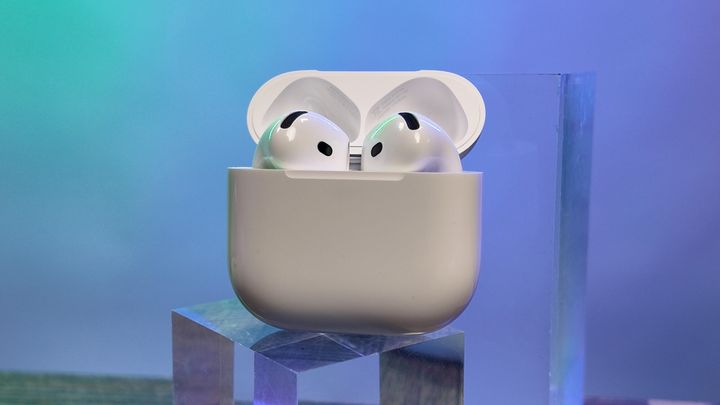
wireless charging case model
Class-leading open-ear noise cancellation and improved sound let down by short battery stamina. The AirPods 5 with Wireless Charging Case is an ideal choice for iPhone users who dislike silicone ear tips but still want active noise cancellation and seamless Apple ecosystem features. Its greatest strengths are surprisingly effective noise attenuation for an unsealed design, clearer acoustic tuning, and stem-swipe volume controls. The major drawback remains middling battery life, draining in roughly five hours with ANC enabled. While the sealed AirPods Pro 3 offers superior sub-bass isolation and hearing health tools, the AirPods 5 delivers most of the core experience for $100 less.
7 published review links

AirPods 5 with Wireless Charging Case
Open-ear comfort and capable noise cancellation make up for subpar battery life. The AirPods 5 with Wireless Charging Case is an appealing choice for iPhone users who want active noise cancellation without the plugged-ear feeling of silicone tips. Its biggest strength lies in combining respectable open-ear noise suppression, intuitive volume-swipe stem controls, and seamless iOS integration at an accessible price. The biggest catch is the underwhelming 5-hour battery life with ANC enabled, paired with an unsealed plastic fit that will not suit every ear shape. Against the pricier AirPods Pro 2, it trades away class-leading sub-bass and airtight passive isolation in exchange for a lighter, pressure-free wearing experience.
7 published review links
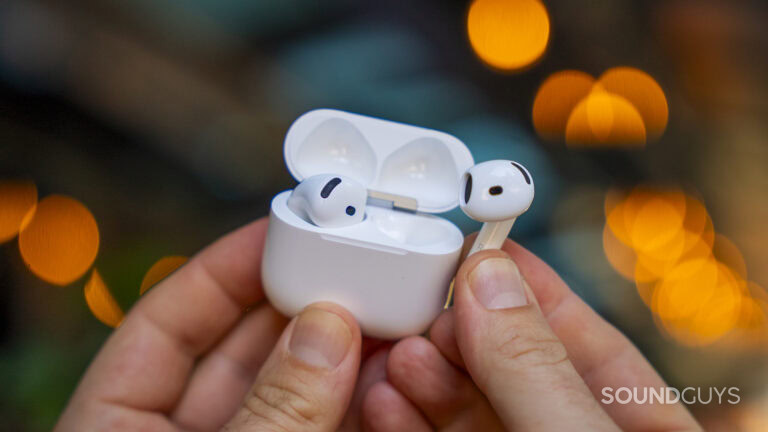
AirPods 5
Class-leading open-ear noise cancellation paired with refined sound, compromised by mediocre battery life. The Apple AirPods 5 are an easy choice for iPhone users who dislike the plugged-in sensation of silicone ear tips but still want active noise reduction. Their standout strength is surprisingly capable noise cancellation and balanced audio in an unsealed format, backed by an upgraded IP57 water resistance rating. The biggest catch is short continuous battery runtimes, delivering roughly five hours with noise cancellation enabled. For shoppers needing stronger passive acoustic isolation and all-day endurance, the sealed AirPods Pro remain the better long-term companion.
7 published review links
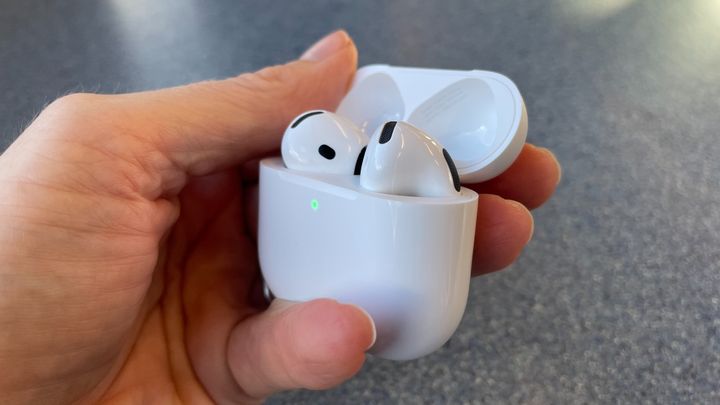
AirPods 5 with Wireless Charging
Open-ear convenience and class-leading ANC let down by middling single-charge endurance. The AirPods 5 with Wireless Charging Case is an easy recommendation for iPhone users who want active noise cancellation without the invasive, plugged-in feel of silicone ear tips. Its standout achievement is delivering surprisingly effective noise cancellation and punchy, open sound in an unsealed design, complete with on-stem volume swipe controls and an IP57 durability rating. The primary catch is battery life: at roughly 5 hours of listening with ANC on, it trails rival true wireless earbuds. While sealed flagships like the AirPods Pro 2 still block out more high-frequency noise and fit more ears reliably, this pair provides most of the flagship Apple experience for $100 less.
2 published review links

with a wireless charging case
Clever open-ear noise cancellation and seamless Apple features held back by mediocre stamina. The Apple AirPods 5 with Wireless Charging Case is an ideal purchase for iPhone users who dislike the clogged sensation of silicone ear tips but still want active noise reduction. Its greatest strength is delivering surprisingly competent noise cancellation and clear vocals in a featherweight open design at a lower launch price than its predecessor. The major compromise remains mediocre battery life, which tops out around five hours. If you want deep sub-bass and sealed isolation, the flagship AirPods Pro 2 or Pro 3 remains superior, but for casual daily listening, this model hits an impressive middle ground.
7 published review links
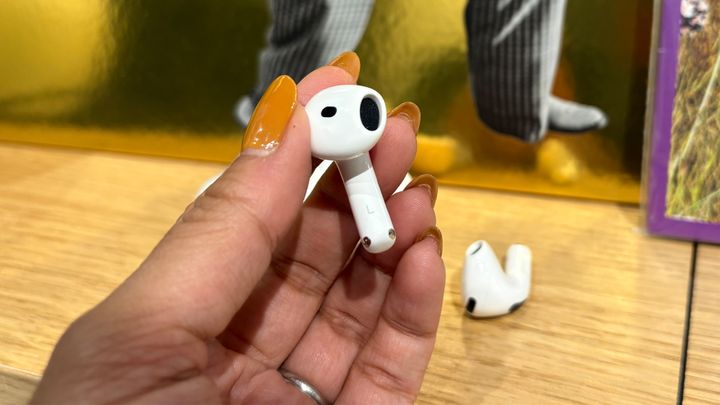
version with the wireless charging case
Impressive open-ear noise cancellation and seamless iOS features, held back by mediocre battery endurance. The Apple AirPods 5 with Wireless Charging Case is the best option available for iPhone users who refuse to wear jammed silicone ear tips but still want active noise suppression. Its biggest strength is combining an open, unsealed acoustic design with surprisingly effective active noise cancellation and class-leading transparency. The primary catch is battery life, which tops out around five hours with cancellation active. Compared to sealed alternatives like the AirPods Pro line, it cannot silence deep low-frequency engine rumbles as completely, but it remains far more comfortable for sensitive ears.
1 published review link
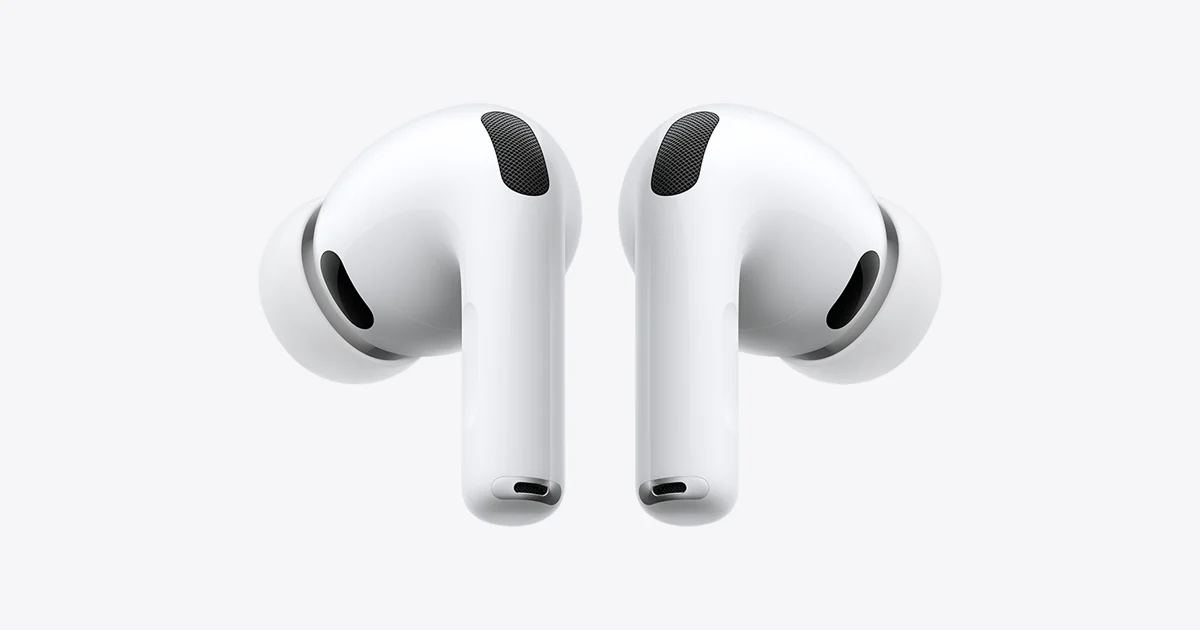
2025 third-generation Pro earbuds with USB-C charging case
Android buyers should compare Sony or Technics, and translation alone is a weak reason to buy.
4 published review links

Bose Noise Cancelling Wired Earbuds
Bose brings capable active noise cancellation and battery-free USB-C convenience to budget wired earphones. The Bose Noise Cancelling Wired Earbuds are built for commuters, students, and frequent travelers who want dependable quiet without having to track another device's battery levels. Their standout asset is delivering effective active noise cancellation in a plug-and-play USB-C format for under one hundred dollars. The key compromises are a non-detachable cable, noticeable cable rustle while walking, and a sound profile that loses lower bass whenever noise cancellation is switched off. While Apple's $19 USB-C EarPods remain the standard pick for cheap phone calls, Bose offers vastly superior acoustic punch and ambient isolation for those willing to spend a premium.
2 published review links
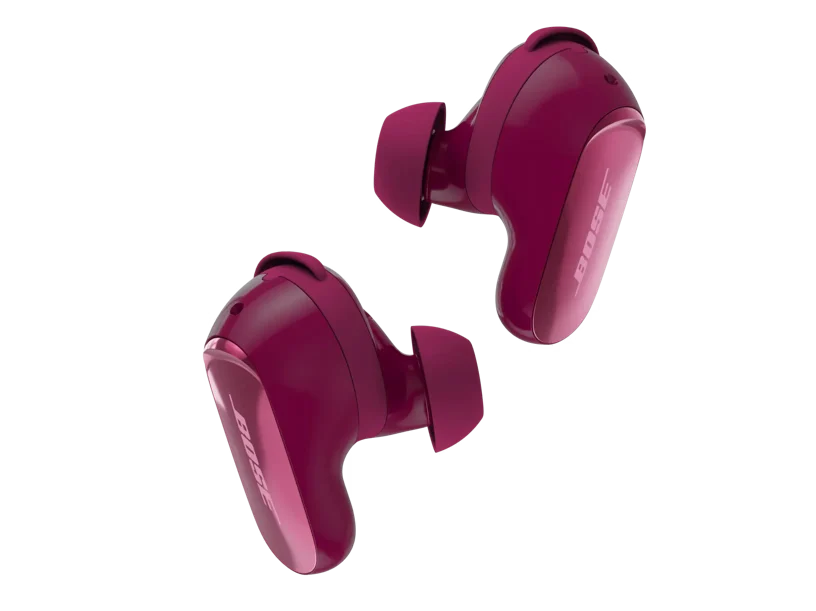
2025 second-generation earbuds; not Ultra headphones
Sony and Technics offer more sound controls; original Ultra owners have less reason to replace their pair.
3 published review links
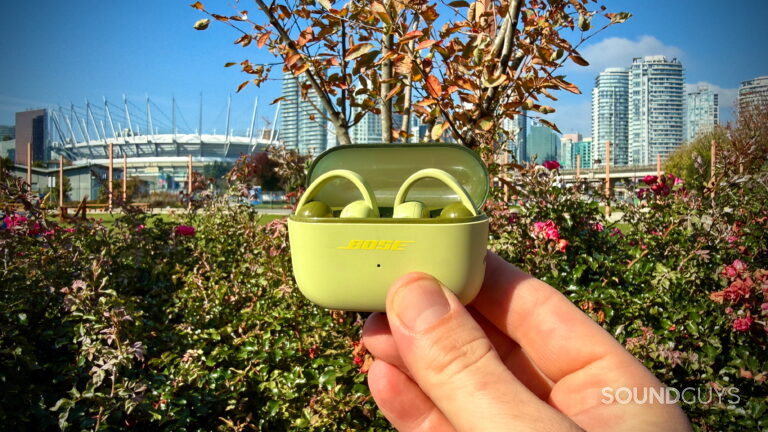
Bose Sport Open Earbuds (2026)
Secure clip-on audio with physical buttons for runners, held back by lean bass and a steep price tag. The Bose Sport Open Earbuds are designed for outdoor athletes and gym-goers who want complete awareness of their surroundings without compromising on a secure fit. Their primary strength is a lightweight silicone cuff build paired with reliable physical buttons that never misfire with sweaty hands. The biggest drawback is the combination of bass-light open acoustics and a $199 price tag that invites tough scrutiny. Compared to the premium $299 Bose Ultra Open Earbuds (2nd Gen), they omit spatial audio and aptX support but offer a more workout-focused design for $100 less.
1 published review link

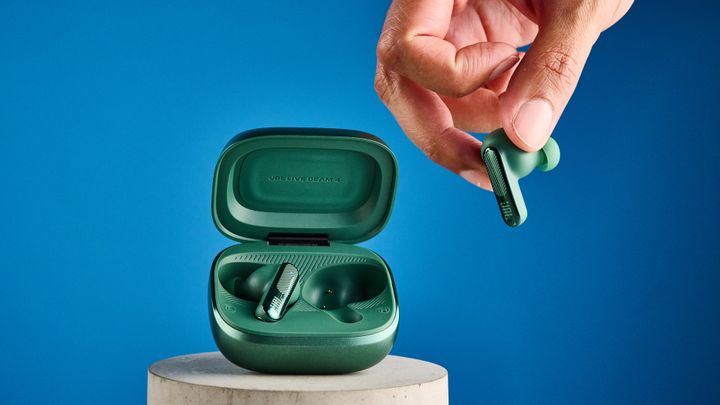
Green
Clever touchscreen case and exceptional battery life make these earbuds a practical everyday pick. The JBL Live Beam 4 is ideal for commuters and office workers who want dependable all-day battery life, punchy audio, and the convenience of adjusting sound settings directly on the case. Its biggest strength is endurance, delivering up to 12 hours of playback per charge and 48 hours total with the case. The trade-off is noise cancellation and call clarity that trail category benchmarks, particularly outdoors. While the Bose QuietComfort Earbuds offer stronger noise isolation, the Live Beam 4 counters with longer playback, higher dust resistance, and extensive on-case controls.
1 published review link
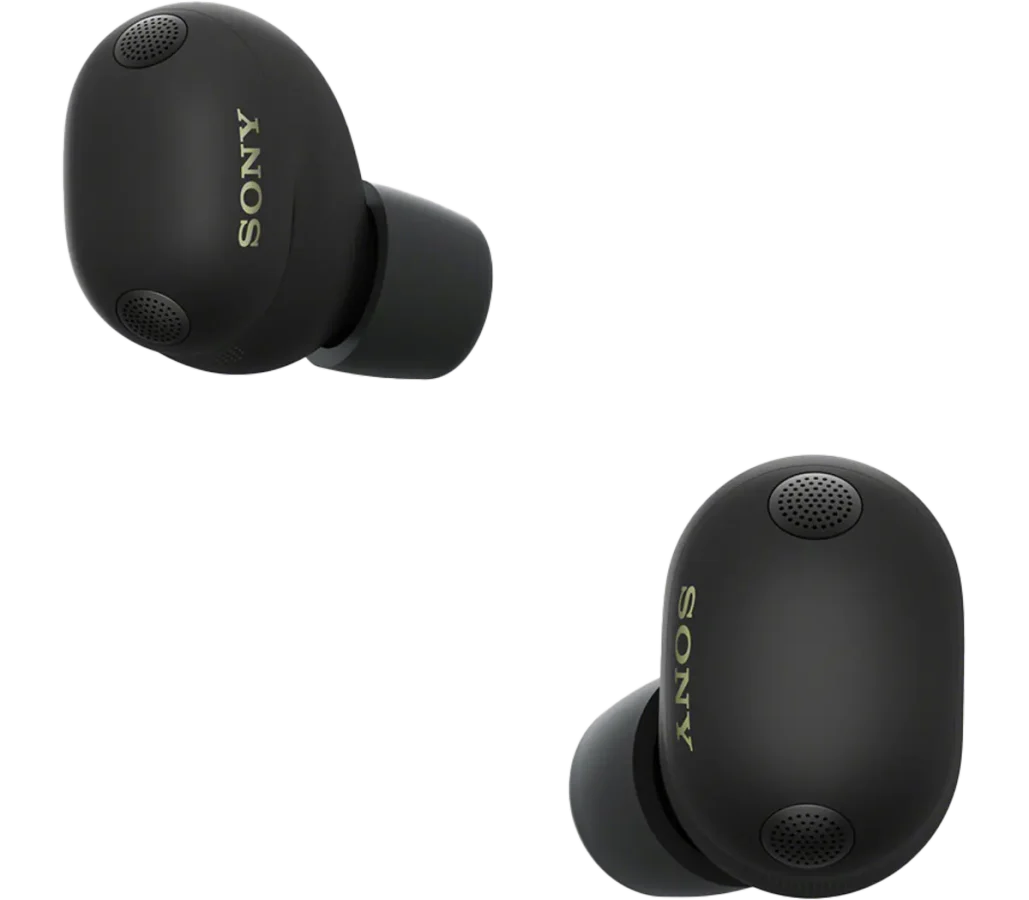
2026 true wireless earbuds; not WH over-ear headphones
Try the larger shells, and compare the price of an XM5 if the new microphone is not a priority.
3 published review links
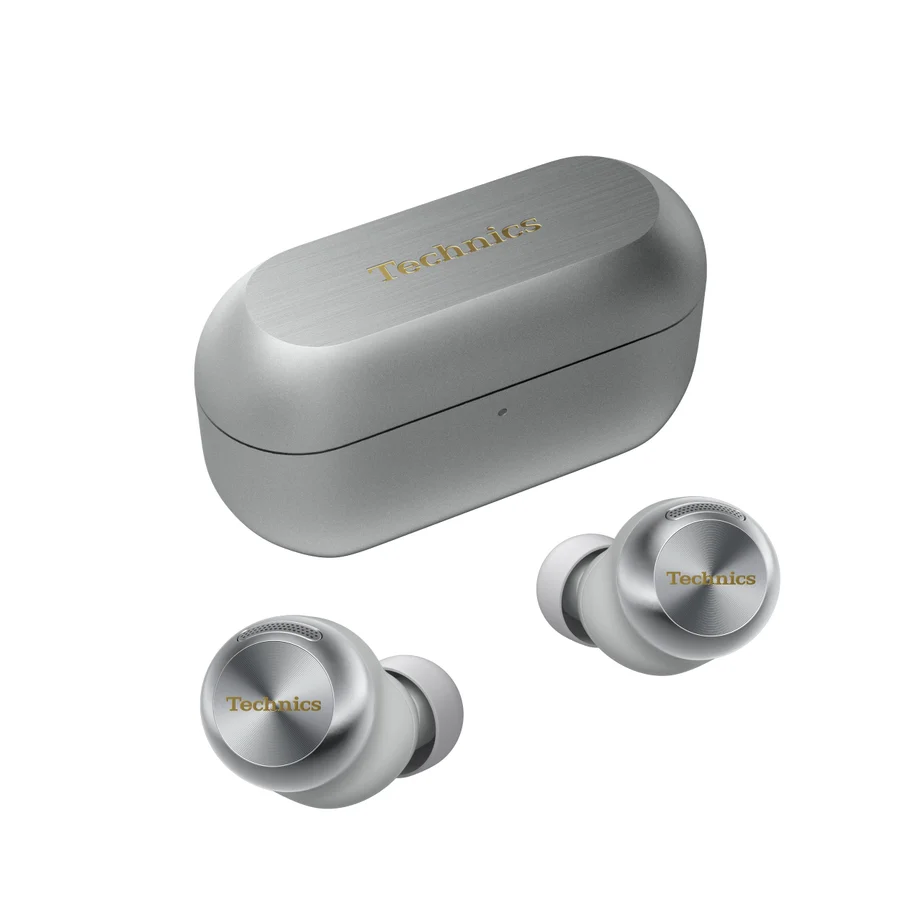
2025 true wireless earbuds
Adjust the sound to taste and try the deeper fit before committing.
2 published review links
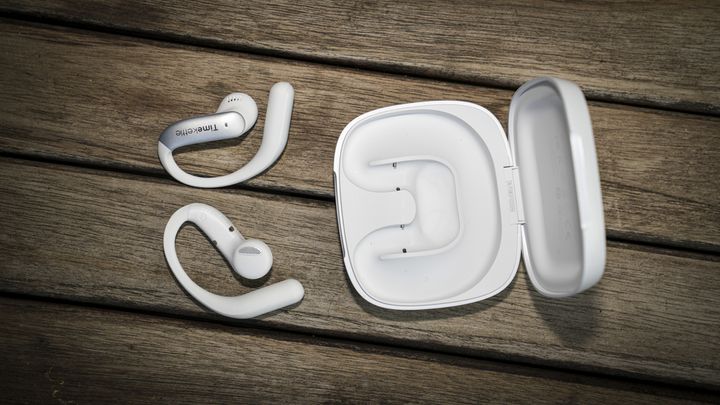
Star Silver colour profile
Affordable open-ear translator earbuds that excel at speech interpretation but falter on music. The Timekettle LiveTalk AI Translation Earbuds are best suited for international travelers, multilingual students, and remote workers who need hands-free interpretation without paying flagship prices. Their biggest strength is accurate translation across 54 languages and 108 accents paired with automatic transcription and AI meeting summaries. The catch is audio reproduction: the open-ear design leaks acoustic energy, leaving music sounding thin and hollow, while spoken audio translation carries an unavoidable 5-to-7-second delay. Compared to premium siblings like the $449 Timekettle W4 Pro, the LiveTalk delivers the core interpretation features at a fraction of the cost, provided music fidelity is not your priority.
1 published review link
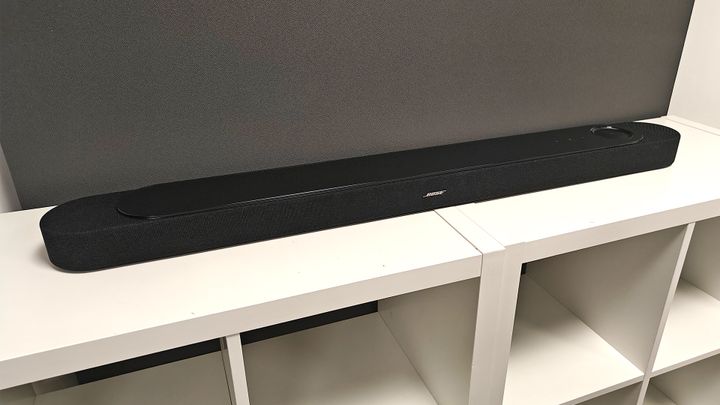
Lifestyle Ultra Soundbar
Crisp dialogue and standalone bass wrapped in a luxurious glass-topped design. The Bose Lifestyle Ultra Soundbar is best for movie watchers who want clear dialogue and punchy standalone bass without cluttering their living room with a separate subwoofer. Its primary strengths are refined styling, an intuitive rotary touch volume control, and effective AI-driven speech clarification. However, the catch is the lack of an HDMI pass-through port and missing DTS audio decoding, alongside height channels that lack the vertical scale of rivals. While the Sonos Arc Ultra delivers greater dynamic range and wider cinema immersion for the same outlay, the Lifestyle Ultra remains an appealing, fuss-free centerpiece.
4 published review links


JBL Bar 1000 MK2
Clever cable-free surrounds and deep bass, tempered by average musicality and 60Hz passthrough limits. The JBL Bar 1000 MK2 is built for movie lovers who want true 7.1.4 Dolby Atmos surround sound without trailing speaker wire across the living room or needing wall outlets behind the couch. Its detachable, battery-powered rear modules and 10-inch subwoofer create an expansive, cinema-grade soundfield with potent low-end punch. However, stereo music reproduction lacks the delicate mid-range finesse found in rival soundbars, and HDMI passthrough is limited to 4K at 60Hz rather than 120Hz. Buyers wanting an out-of-the-box wireless cinema upgrade will find it compelling, though Samsung's HW-Q990 series remains the more versatile choice for hardcore gamers.
1 published review link

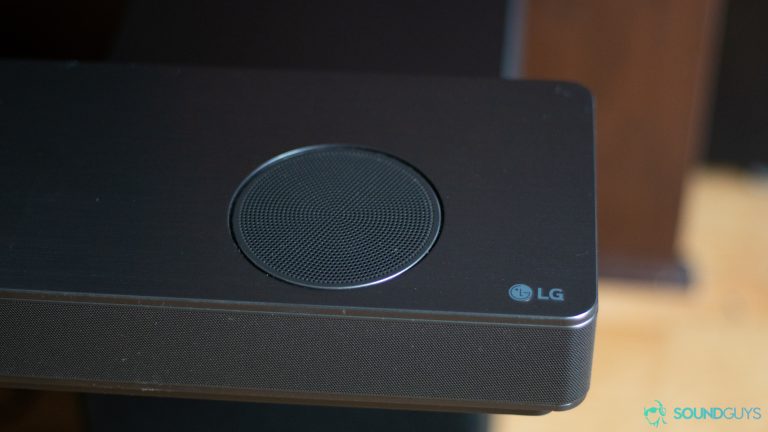
LG H7 Soundbar
LG Sound Suite H7: Ambitious FlexConnect spatial audio marred by shouty highs and missing ports. The LG Sound Suite H7 is best suited for LG TV owners who want a modular audio foundation and plan to expand into Dolby Atmos FlexConnect surround speakers without running cables. Its biggest strength is its wide front soundstage and pioneering FlexConnect support, which allows seamless room calibration even with asymmetrical speaker placement. However, it lacks HDMI passthrough and an optical port, leaving users reliant entirely on eARC. Compared to the Sonos Arc Ultra, the H7 offers more modular placement freedom but falls short on refined treble and sub-bass depth.
1 published review link

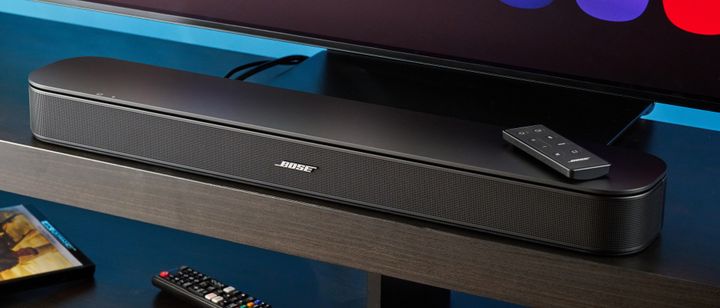
Bose TV Speaker 2nd Gen
Exceptional speech clarity and a compact footprint make this simple plug-and-play soundbar ideal for smaller rooms. The Bose TV Speaker 2nd Gen is best for viewers with televisions measuring 55 inches or smaller who prioritize intelligible speech over complex surround configurations. Its primary strength is vocal clarity, driven by a dedicated center tweeter that Tom’s Guide found produced less listening fatigue and clearer dialogue than the Sonos Beam Gen 2. The main catch is the lack of modern networking conveniences: there is no Wi-Fi, Apple AirPlay, companion app, or Dolby Atmos support. While the $299 launch price was steep, retail price cuts make it a sensible upgrade over optical-only alternatives like the Sonos Ray.
1 published review link
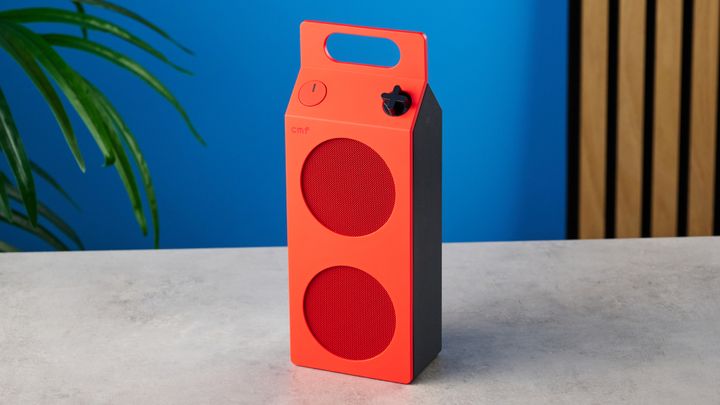
CMF Speaker M
A whimsical milk-carton Bluetooth speaker with crisp sound and custom parts, held back by deep-bass strain. The CMF Speaker M is an appealing choice for casual listeners and design fans who want a playful, portable speaker that stands out from generic black cylinders. Its biggest strength is its distinct aesthetic, backed by a robust IP68 rating, articulate midrange performance, and versatile wired USB-C audio playback. However, its biggest catch is low-end composure, as sub-bass-heavy tracks exhibit noticeable distortion at higher volumes. Compared to rivals like the JBL Flip 6, the Speaker M offers far more visual personality and input options, but it falls short of JBL's low-end punch.
1 published review link

CMF Speaker S
A stylish, ultra-durable mini Bluetooth speaker with punchy audio and Auracast support. The CMF Speaker S is an ideal pick for desktop listeners and travelers who want a compact, characterful speaker that avoids the generic pill-shaped aesthetic. Its greatest asset is the combination of crisp vocals and surprisingly present low end for a 334-gram unit, paired with an IP68 rugged build and versatile wired USB-C audio. The principal drawback is the complete lack of an integrated microphone, ruling it out as a speakerphone. Compared to the JBL Go 5, the Speaker S offers significantly longer battery life, physical customization, and broadcast pairing at an equally accessible price.
2 published review links
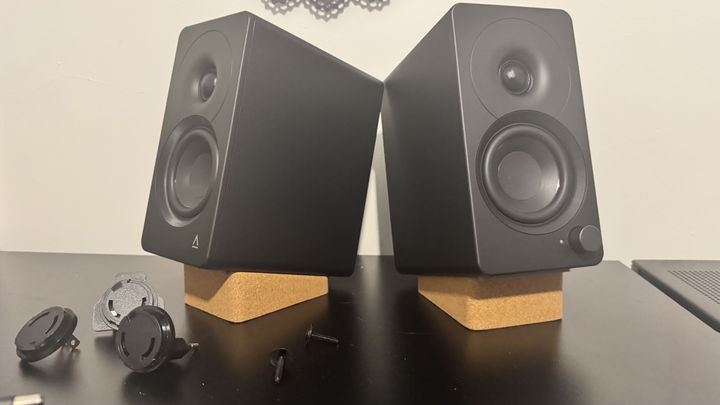
black variant of the XF1
Compact desktop stereo speakers that deliver impressive clarity and deep EQ customization for under $200. The Creative XF1 is an easy recommendation for PC users who want clean, room-filling desktop sound without sacrificing valuable workspace. Its greatest strength is its acoustic fidelity and versatile connectivity, combining a 72W RMS bi-amplified architecture with a 24-bit/96kHz USB-C DAC and parametric EQ. The main compromise is the physical limit of its three-inch woofers, which produce punchy mid-bass but cannot replicate the true sub-bass rumble of a standalone subwoofer. While premium alternatives like the $350 Kanto Ora offer deeper low-end extension and sleeker enclosures, the XF1 delivers much of that performance at roughly half the cost.
1 published review link

Echo Dot Max
A capable smart speaker that upgrades the standard Dot with richer audio and a full smart home hub. The Amazon Echo Dot Max suits smart home enthusiasts looking for a compact tabletop speaker that handles daily voice queries and casual music listening. Its biggest strength is its robust smart home capability, bundling Matter, Thread, and Zigbee radios alongside responsive far-field voice recognition. The main catch is that its mono acoustic setup falls short of the retired fourth-generation Echo in bass depth and stereo separation. Compared to rivals like the Google Home Speaker, the Dot Max offers noticeably punchier sound and broader smart device compatibility, making it a reliable central controller for Alexa households.
2 published review links
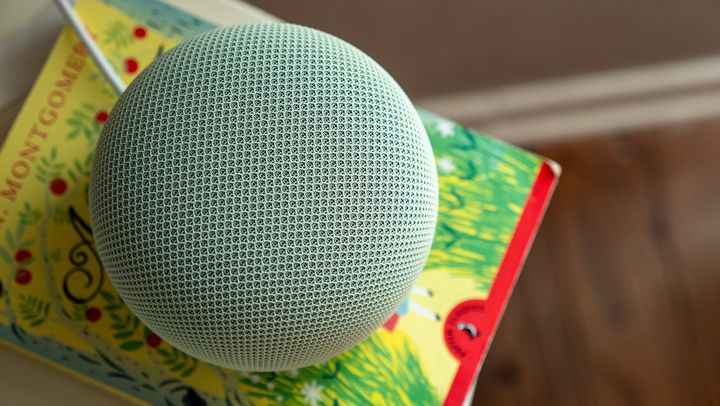
Jade
A stylish Gemini hub with clean vocals that compromises on audio muscle and repairability. The Google Home Speaker makes sense for dedicated Google smart homes seeking a compact, stylish hub with conversational Gemini AI and Thread border routing. Its biggest strength is its compact 396-gram design, bright light ring, and clean vocal clarity for podcasts and queries. The biggest catch is the single 58mm driver, which sacrifices the bass and audio authority of the older Nest Audio, along with a permanently tethered power cord. Compared to the $99 Apple HomePod mini, Google offers wider smart home protocol support, but falls short on musical richness.
5 published review links

Google Home Speaker
Gemini conversational AI and a compact orb design arrive at the expense of fuller acoustic hardware. The Google Home Speaker is designed for households fully invested in Google smart home gear that want natural, conversational Gemini AI without taking up counter space. Its biggest strength is its compact 107 mm spherical footprint combined with built-in Thread border router and Matter controller capabilities. The main catch is an acoustic downgrade: Google replaced the dual drivers of the older Nest Audio with a single 58 mm full-range driver, resulting in thin low-end response, alongside a permanently attached power cable and subscription-walled AI features. Against the similarly priced Amazon Echo, it offers smarter conversational dialogue but trails in overall audio fullness.
5 published review links

HomePod mini
Remarkably punchy audio in a pint-sized sphere, provided you live entirely within Apple's ecosystem. The Apple HomePod mini is the best compact smart speaker for iPhone owners seeking an unobtrusive audio hub for desks, kitchens, or nightstands. Its standout strength is surprisingly rich, well-balanced sound with articulate vocals and respectable bass presence that defies its 3.3-inch stature. The primary limitation is strict ecosystem lock-in: there is no auxiliary input, no standard Bluetooth streaming, and setup strictly requires an iOS device. While the larger Amazon Echo delivers fuller deep bass and louder maximum volume, the mini offers superior vocal refinement and effortless integration for Apple households.
3 published review links
HomePod mini 2
Faster responsiveness and Mac audio pairing cannot fully justify a $50 price hike with Siri AI missing at launch. The HomePod mini 2 is best suited for dedicated Apple users who want a responsive smart home hub and a low-latency desktop speaker for their Mac. Its upgraded S10 processor delivers noticeably faster Siri responses alongside vibrant Sound Glow visuals and 360-degree audio. However, the speaker faces a significant catch: Apple raised the price to $149 while delaying its headline Siri AI capabilities to a future software update. Against rivals like the Amazon Echo and Google smart speakers, it remains more restricted in music service flexibility and currently behind on conversational intelligence.
3 published review links
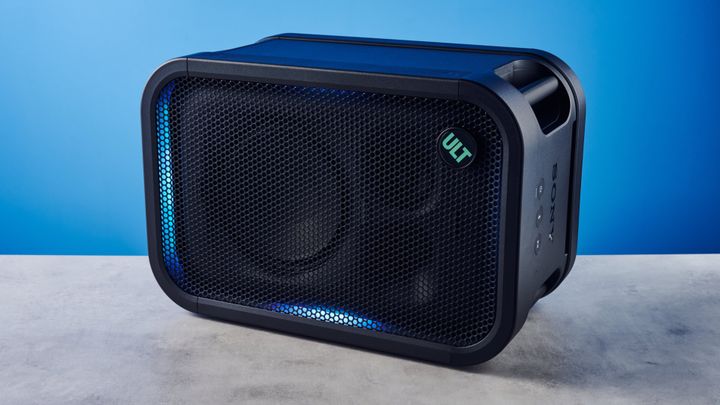
Sony ULT Tower 5
Sony ULT Tower 5: Massive party-starting bass and pro-grade inputs in a portable frame. The Sony ULT Tower 5 is an ideal choice for backyard hosts, amateur DJs, and karaoke enthusiasts seeking serious volume without moving a massive cabinet. Its standout attribute is its combination of deep low-end output, 300W amplification, and pro-level connectivity including balanced XLR and RCA inputs. The main limitation is its directional sound dispersion, as it lacks the omnidirectional rear tweeters found on larger towers. Compared with the rival JBL PartyBox 130, the Sony delivers punchier bass, longer moderate-volume battery life, and broader audio input flexibility for the same $449 price.
1 published review link
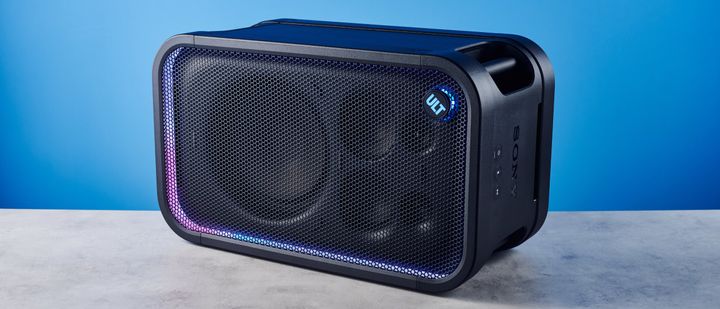
Sony ULT Tower 7
Massive bass, pro-grade DJ inputs, and 30-hour battery life make this heavyweight party speaker a standout. The Sony ULT Tower 7 is tailored for backyard entertainers, mobile DJs, and karaoke hosts who need club-level volume without being tied to a wall outlet. Its biggest strength is its deep, low-distortion low end backed by a 420-watt driver system and a generous 30-hour battery reserve. The main drawback is its 50.3-pound bulk paired with fixed carry handles instead of a telescoping luggage handle, which makes rolling it over curbs awkward. Compared to its closest competitor, the JBL PartyBox Stage 320, the ULT Tower 7 delivers substantially longer battery life and balanced XLR inputs, though JBL offers an easier rolling handle and user-replaceable batteries.
1 published review link
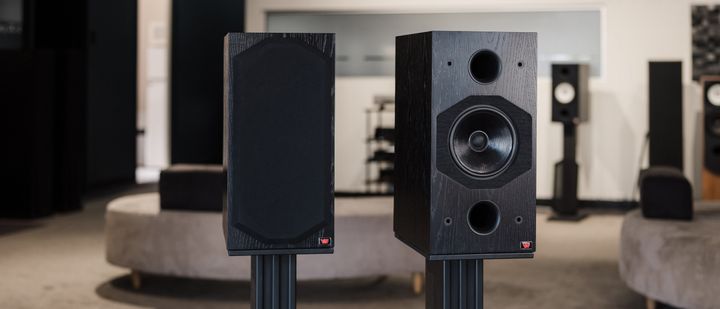
Feature Eucaplypt timber veneer
Substantial Australian standmounts pairing pin-point coaxial imaging with deep, authoritative bass and heirloom timber. The VAF Signature i91 MkIII is an ideal choice for listeners seeking a warm, fatigue-free sound signature paired with holographic stereo imaging. Its primary strength lies in its custom coaxial driver, which produces an exceptionally broad sweet spot alongside bass extension that genuinely rivals smaller floorstanding speakers. The primary drawback is physical footprint: each 15kg cabinet is exceptionally deep and heavy, requiring sturdy stands, careful two-person lifting, and patience for the 12-week custom build cycle. Compared to prominent point-source rivals like the KEF R3 Meta, the i91 MkIII offers richer timber cabinetry and a more relaxed midrange, but demands more floor space and a much longer ordering process.
1 published review link
Reviews, comparisons and hands-on reports from tech publishers.