Phones & tablets / Review roundup
Google Pixel 11 Pro
16GB model
- 9/10Android Authority
- 4/5What Hi-Fi?
- 4/5Tom’s Guide
- 4/5TechRadar
A refined compact flagship with class-leading brightness and stellar cameras, tempered by middling gaming speeds
The Pixel 11 Pro is built for shoppers who want a fully featured, pocket-friendly flagship with uncompromised cameras, dependable all-day endurance, and clean software. Its primary advantages are a daylight-dominating OLED screen and effortless computational photography, backed by seven years of guaranteed software support. The main drawback remains Google's Tensor G6 silicon, which trails Qualcomm and Apple rivals by a wide margin in heavy 3D gaming tasks. Compared to Samsung's Galaxy S26 and Apple's iPhone 18 Pro, it offers richer photo processing and smarter ambient voice features, but costs more upfront than base Samsung flagships and lacks ultra-fast wired charging.
Buy it if
- Buyers seeking a compact, pocket-friendly phone without sacrificing telephoto camera reach
- Outdoor smartphone users who need maximum panel visibility in direct sunlight
- Photographers wanting reliable point-and-shoot results and useful automatic action capture tools
Skip it if
- High-end mobile gamers prioritizing peak graphical frame rates in demanding 3D titles
- Shoppers looking for budget-conscious entry pricing under $1,000
- Users who rely on rapid wired recharging speeds beyond 30W
Where to buy
We may earn a commission from purchases or qualifying sign-ups through our links. Affiliate links explained
What reviewers liked
- Superb 6.3-inch OLED panel measured at 2,860 nits peak brightness by Tom's Guide
- Reliable triple-camera array with effective 5x optical reach and automatic Magic Capture stills
- All-day battery endurance with an Active Use Score of 15 hours and 38 minutes at GSMArena
- Seven full years of Android operating system and security updates
- Pixelsnap magnetic wireless charging adds welcome everyday convenience
What they didn’t
- Tensor G6 processor falls substantially behind Snapdragon and Apple A-series chips in benchmarks
- Elimination of the 128GB tier bumps starting price to $1,099
- 30W wired charging speed is modest compared to competing Android flagships
- HiLight rear notification LED is currently restricted to limited tasks
Key specs
- Launch price
- $1,099 (256GB), $1,219 (512GB), $1,449 (1TB)
- Reported price
- $1,048 to $1,099
- Display
- 6.3-inch Super Actua LTPO OLED (1280 x 2856, 1-120Hz, 3,600 nits rated peak)
- Processor
- Google Tensor G6 with Titan M3 coprocessor
- RAM
- 16GB LPDDR5X
- Storage Options
- 256GB, 512GB, 1TB UFS 4.0 (non-expandable)
- Rear Cameras
- 50MP wide (f/1.68) + 48MP ultrawide + 48MP telephoto (5x optical zoom, 120x Pro Zoom)
- Front Camera
- 42MP with autofocus
- Battery & Charging
- 4,850 mAh; 30W wired, 25W Pixelsnap magnetic wireless
- Durability
- IP68 water and dust resistance, Gorilla Glass Victus 2
- Weight & Dimensions
- 204 g (7.2 oz); 152.8 x 72.0 x 8.5 mm
- Operating System
- Android 17 with 7 years of OS, security, and Pixel Drop updates
In depth
Design and durability
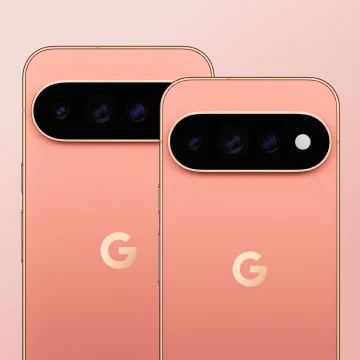
The Pixel 11 Pro maintains the refined industrial aesthetic Google introduced in recent generations, housing flagship components in a compact 6.3-inch body weighing 204 grams. The chassis features satin-finished matte rear glass, polished aluminum rails, and an IP68 dust- and water-resistance rating. A notable hardware addition on the back is HiLight, a multi-colored LED ring embedded directly into the rear camera flash. It pulses subtly during Gemini voice interactions and illuminates in custom hues for priority contacts when resting face-down. Reviewers at Tom's Guide and Android Authority noted that while the visual cue is attractive, its everyday utility remains narrow because third-party app notification support is limited.
Display
Google equips the phone with a 6.3-inch Super Actua LTPO OLED screen with a resolution of 1280 x 2856 pixels (495 ppi) and a dynamic 1Hz to 120Hz refresh rate. In independent testing, Tom's Guide measured peak brightness at 2,860 nits, calling it the brightest smartphone display they had evaluated and highlighting its effortless readability under intense sunlight. What Hi-Fi? praised the panel for crisp motion clarity and sharp detail during video playback, though the publication noted that HDR highlight handling and black level depth fall slightly short of the cinematic contrast delivered by top-tier iPhone OLEDs.
Cameras (daylight, low light, zoom, video)
The camera configuration includes a 50MP main sensor, a 48MP ultrawide lens with macro autofocus, and a 48MP periscope telephoto delivering 5x optical reach and up to 120x Pro Zoom. Across reviews, image output is characterized by wide dynamic range, lifelike skin tones, and swift autofocus. Android Central lauded Camera Looks, an ISP-level color adjustment feature on the Tensor G6 that allows shooters to dial in natural contrast before capturing an image. In long-range tests, Tom's Guide found the AI-enhanced zoom sharp through 30x and surprisingly readable against Samsung's 100x zoom. For moving subjects, the new Magic Capture mode automatically records short clips and extracts full-resolution stills, which reviewers at Tom's Guide and Android Central praised as a genuine fix for blurry shots of children and pets.
Performance and gaming
Daily operations are powered by Google's custom Tensor G6 processor paired with 16GB of RAM. Day-to-day multitasking, application launches, and system animations are responsive and fluid. However, synthetic benchmarks tell an uneven story. Android Authority reported that the Tensor G6 trails Qualcomm Snapdragon 8-series and Apple silicon by 37 percent in single-core and 52 percent in multi-core Geekbench workloads. While casual gaming is smooth, reviewers observed that prolonged gaming sessions in heavy 3D titles result in frame drops and moderate thermal throttling, making the handset less suited for dedicated mobile gamers.
Battery life and charging speed
Battery performance sees a measurable uplift thanks to an internal 4,850 mAh battery and improved chipset efficiency. In automated testing by GSMArena, the Pixel 11 Pro achieved an Active Use Score of 15 hours and 38 minutes, nearly closing the efficiency gap with standard flagships like the Galaxy S26. In real-world trials, Android Authority recorded between 4.5 and 6.5 hours of screen-on time with 20 percent remaining at the end of a busy day. Recharging speeds are conservative: wired charging tops out at 30W (yielding roughly 50 percent in 30 minutes), but the addition of 25W Pixelsnap magnetic wireless charging offers reliable alignment on Qi2 magnetic accessories.
Software and update promise
Running clean Android 17, the Pixel 11 Pro comes backed by Google's industry-leading commitment of seven years of OS upgrades, security patches, and Pixel Drop feature additions. Gemini intelligence is integrated across the operating system, introducing features like Rambler for summarizing spoken thoughts into organized text and real-time Live Translate dubbing for streaming media. Android Authority also highlighted the Class 3 biometric Face Unlock, which combines with the ultrasonic under-screen fingerprint sensor to allow seamless, secure access to banking apps and password managers without requiring specialized hardware notches.
Price and storage options
Google eliminated the entry-level 128GB tier, establishing 256GB as the baseline model. As a result, the Pixel 11 Pro starts at $1,099, with 512GB priced at $1,219 and 1TB available for $1,449. While getting double the base storage eases the blow of the higher starting floor, CNET and GSMArena pointed out that it positions the phone at a noticeable premium over rivals like the standard Galaxy S26, which often sells for hundreds less. Unlocked street pricing typically hovers near retail, though retailer gift card bundles and carrier trade-ins frequently reduce out-of-pocket costs.
Is it worth the money?
Google removed the $999 128GB tier, making $1,099 the entry point. While 256GB is standard, competing compact flagships often cost less upfront unless carrier trade-in promotions are utilized.
Benchmarks
PERFORMANCE
Benchmarks
Measurement coverage
- CPU: 4 tests
Charts include only the measurements shown here, with settings and source links. Reviews may contain additional tests. Camera comparisons and subjective heat observations are discussed in the review findings.
Geekbench 6 single core
Higher is better · scoreTrusted Reviews · full test results ↗Published 2026-08-19 · checked 2026-10-13
Geekbench 6 single core · Google Pixel 11 Pro: 16GB model
Results apply to this publication’s tested models and settings. Check those details before comparing another review.
Test data and methodology
| Product | Result | Test scope |
|---|---|---|
| Google Pixel 11 Pro | 2420 | Reviewed model only |
Bars start at zero. Results apply to the tested configuration and settings. Missing products are never assigned zero.
Also consider
- Samsung Galaxy S26
Offers significantly faster graphics processing and a lighter build at a noticeably lower entry price.
- Apple iPhone 18 Pro
Provides superior raw computational speed, class-leading video recording, and a more uniform HDR movie viewing experience.
- Google Pixel 11
Retains the core Tensor G6 chip, bright display, and AI smarts for $200 less if you can manage without the 5x optical telephoto lens.
Reviews we read
This roundup summarizes professional reviews and published specifications; Next Interrupt did not test the product. Roundup updated November 18, 2026. How we work
- Tom’s Guide — Google Pixel 11 Pro review
- Android Authority — The Pixel 11 Pro should be a disappointment, but after 3 weeks with the phone I can’t put it down
- TechRadar — Google Pixel 11 Pro review
- What Hi-Fi? — Google Pixel 11 Pro
- Android Central — I spent a week testing the Google Pixel 11 Pro and Pro XL, and they're harder to recommend despite some fun new Gemini features
- Trusted Reviews — Google Pixel 11 Pro Review