Smartwatches & fitness watches
Compare case size and GPS/LTE variants. Cellular plans and subscriptions are additional costs.
BUYING GUIDE · RECOMMENDATIONS REVIEWED
Choose a wearable around phone compatibility, comfort and the activities you want to track.
We summarize professional reviews; we don't test products ourselves. We may earn a commission from purchases or qualifying sign-ups through our links. Affiliate links explained How we work
Selections reflect the use cases below. The number of coverage links does not determine the picks; current prices can change the value case.
The SE 3 covers everyday activity tracking, notifications and an always-on display without requiring the most expensive Apple Watch. It leaves out some advanced health features. Think about charging around sleep tracking, and confirm that any particular health feature you want is supported in your region.
Price check: Compare 40mm GPS with like-for-like listings; cellular and larger cases change cost.
Also compare Apple Watch Series 12 42mm →
Compromise: iPhone required; fewer advanced features than pricier models
Comfort, notifications and Android apps are the Watch8’s strengths. Frequent charging is the cost of that broader smartwatch experience, and some health features depend on a Samsung phone. Confirm the 44mm size and connectivity variant; the Classic and smaller versions are different purchases.
Price check: Compare standard 44mm Bluetooth listings. Do not use the 40mm starting price as this model’s price.
Also compare Garmin Venu 4 (45mm) →
Compromise: Frequent charging and phone-dependent feature restrictions
Compare the Forerunner 965 if endurance and price matter more than a flashlight or the newest metrics.
Price check: Compare the exact configuration and total cost, including any accessories or subscription. Retailer links do not establish a current price or discount.
Also compare Garmin Venu 4 (45mm) →
Compromise: Pricey upgrade from a 965; Some metrics require a separate strap
These are spending limits for each product type, not quoted prices or a reason to pay more. Available offers determine which models fit. Amounts are in USD, before tax and shipping.
Compare case size and GPS/LTE variants. Cellular plans and subscriptions are additional costs.
Check which features work with your phone and which require a subscription or a cellular plan.
Read comparisons with reference devices for the activities you do. Treat wellness estimates as estimates, not a diagnosis.
Weigh real battery use, charging interruptions, size and band comfort. A tracker only helps if you want to wear it.
Ask yourself: Will I use this consistently, and are the useful features included in the price?
An alphabetical directory of reviewed models, including specialist and older alternatives. Inclusion is not a recommendation for every buyer.
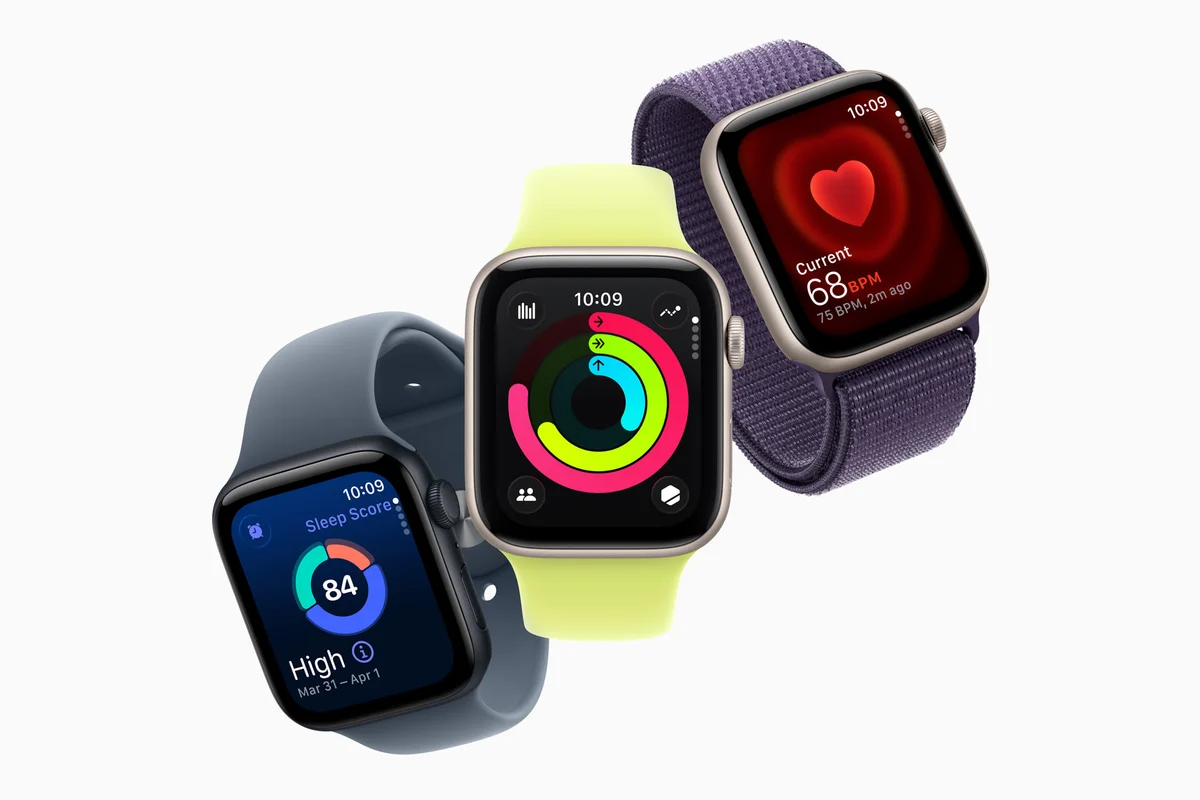
2025, 40mm aluminum, GPS; not cellular or Series 11
The essentials for an iPhone owner. The SE 3 covers everyday activity tracking, notifications and an always-on display without requiring the most expensive Apple Watch. It leaves out some advanced health features. Think about charging around sleep tracking, and confirm that any particular health feature you want is supported in your region.
4 published review links

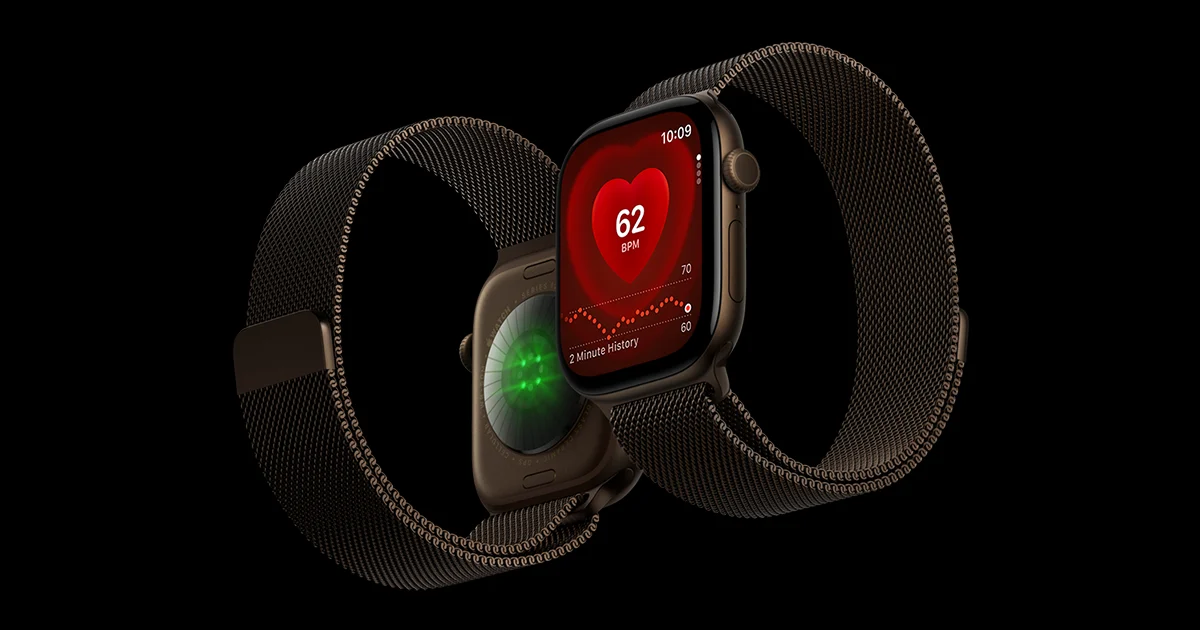
46mm
Faster health sensing and built-in readiness make Apple's flagship compelling, even with familiar battery limits. iPhone owners upgrading from an Apple Watch Series 9 or older will find the Apple Watch Series 12 46mm to be a meaningful upgrade. Its strongest asset is the redesigned Health Sensing System, which samples heart rate every five seconds to power a continuous, subscription-free Readiness score. The main limitation is endurance: while it comfortably clears a full day, it still demands regular daily charging. Compared to competitors like the Google Pixel Watch 5 and Garmin Cirqa, the Series 12 offers the most cohesive smartwatch experience for iOS users, even if dedicated sports watches retain a massive battery advantage.
7 published review links
42 mm dark bronze aluminum
A smarter health tracker with all-day heart polling, held back by familiar single-day battery life. The Apple Watch Series 12 is the top recommendation for iPhone users upgrading from a Series 9 or older who want accurate, continuous wellness tracking. Its biggest asset is an overhauled optical sensor package that polls heart rate every five seconds all day, powering a native Readiness score without requiring an extra subscription. The main compromise remains battery endurance, which still requires a daily charging routine despite exceeding Apple's conservative 24-hour estimate. Compared to rivals like the Garmin Venu 4, it offers vastly superior smartwatch features and iOS integration, but trails significantly in multi-day stamina.
10 published review links
aluminum model in the new dark bronze finish
Refined biometric sensing and native recovery metrics cement its lead, but battery life remains a daily consideration. The Apple Watch Series 12 is the most capable everyday smartwatch available for iPhone owners, making it an easy upgrade for anyone wearing a Series 9 or older. Its biggest strength is the overhauled Health Sensing System, which delivers near-chest-strap heart rate precision and a native Readiness Score without requiring an ongoing paid subscription. The primary catch remains its battery endurance, which typically lands between 24 and 36 hours and still demands a daily charging routine. Compared to dedicated multi-day fitness wearables and the premium Apple Watch Ultra 4, the Series 12 provides a lighter, thinner profile at half the initial investment while retaining identical core health software.
1 published review link
42mm aluminum GPS model; cellular versions differ
A practical iPhone companion if your watch is old or this is your first. Recent owners can usually wait; plan charging around sleep tracking and check which health features work in your country.
12 published review links

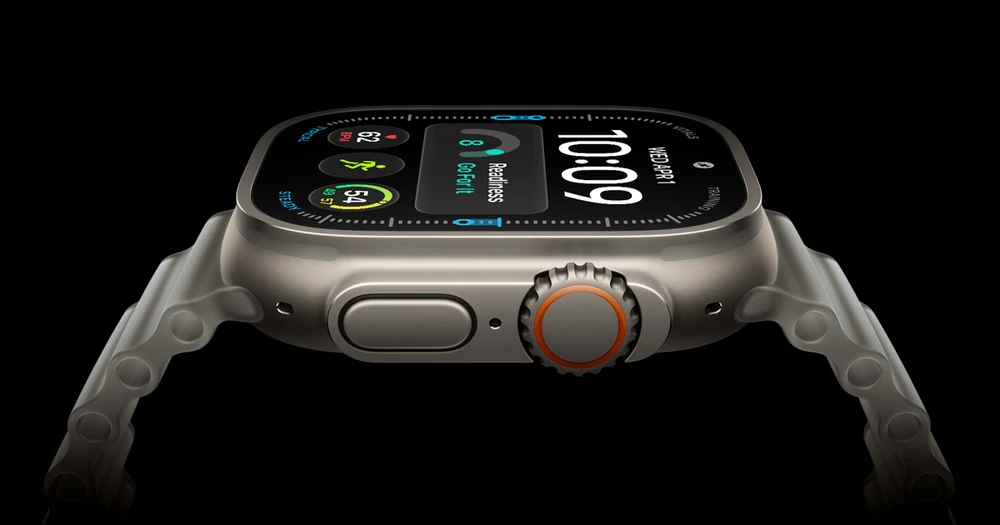
silver Natural Titanium version
Exceptional endurance and deeper health tracking make Apple’s rugged flagship the premier adventure smartwatch. The Apple Watch Ultra 4 remains the benchmark for iPhone owners seeking an uncompromising blend of expedition-grade durability and class-leading smartwatch capabilities. Its most significant upgrades are an expanded 50-hour official battery runtime and an overhauled rear sensor array that unlocks continuous heart-rate sampling and a subscription-free Readiness Score. The biggest drawbacks are its bulky 49mm titanium chassis on slender wrists and a design that remains virtually indistinguishable from previous generations. Compared with dedicated rivals like the Garmin Fenix 9 Pro, it sacrifices weeks of battery life and a built-in flashlight in exchange for unmatched cellular integration, a vibrant 3,000-nit OLED display, and a vastly richer app ecosystem.
4 published review links
black Ultra 4 and opted to combine it with the burgundy trail loop
Apple's rugged watch delivers multi-day battery life and subscription-free recovery tools in a familiar shell. The Apple Watch Ultra 4 is the top smartwatch for iPhone-owning athletes, pairing expanded battery endurance with high-frequency health sensors and a native daily Readiness score. Its greatest strength is delivering actionable recovery insights and full outdoor sports tracking without requiring an extra monthly membership. The main drawback remains its substantial 49mm titanium footprint, which can feel unwieldy during sleep tracking and caught beneath snug jacket cuffs. While dedicated multisport watches like the Garmin Fenix 9 Pro continue to lead on multi-week battery longevity and backcountry mapping, the Ultra 4 remains unmatched as an everyday wearable.
4 published review links
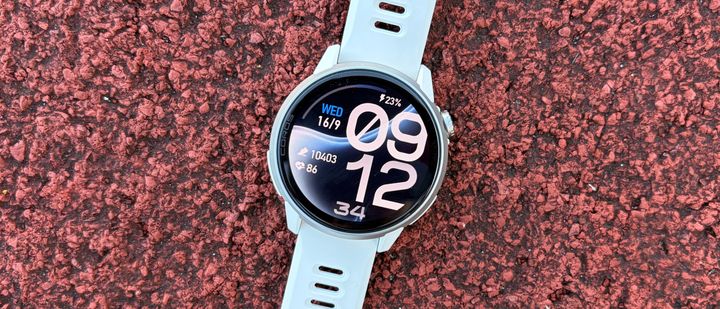
Coros Pace 4 Pro
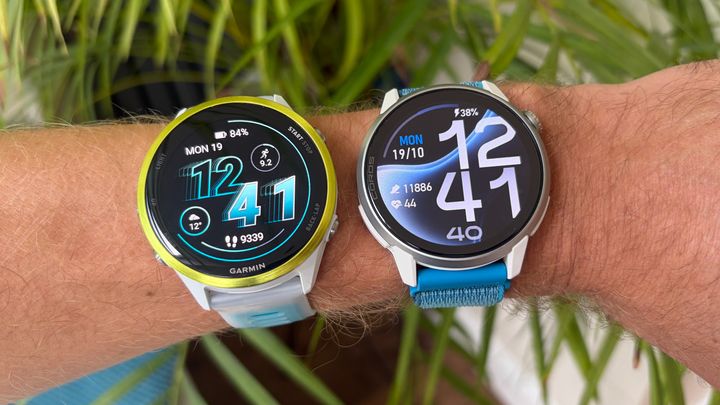
A brilliant ultralight endurance watch with a dazzling AMOLED screen and battery that challenges Garmin flagships. The Coros Pace 4 Pro is built for marathoners, triathletes, and trail runners who want high-end hardware without paying flagship prices. Its biggest assets are a featherweight 43-gram titanium-and-sapphire build, an exceptionally bright 3,500-nit display, and weeklong battery life with always-on mode active. The main compromise is the absence of modern smartwatch amenities like contactless payments and Spotify streaming. While the rival Garmin Forerunner 970 offers deeper lifestyle features, the Pace 4 Pro matches its tracking precision and exceeds its battery life for $300 less.
3 published review links
Pace 4 Pro
A titanium AMOLED running watch that delivers flagship maps and battery life at a midrange price. The Coros Pace 4 Pro is built for dedicated runners and triathletes who want premium materials, offline maps, and marathon battery endurance without spending flagship prices. Its biggest strength is combining a dazzling 3,500-nit AMOLED display, sapphire glass, and a titanium bezel with multi-band GPS tracking that lasted more than seven days in real-world testing. The main catch is its sparse smartwatch utility, as it lacks NFC contactless payments, third-party music streaming, and dynamic on-device rerouting. While it undercuts the Garmin Forerunner 970 by $300 and offers offline maps missing on the $549 Forerunner 570, Garmin still holds the advantage for everyday smart features and training readiness scores.
3 published review links
Fitbit Air
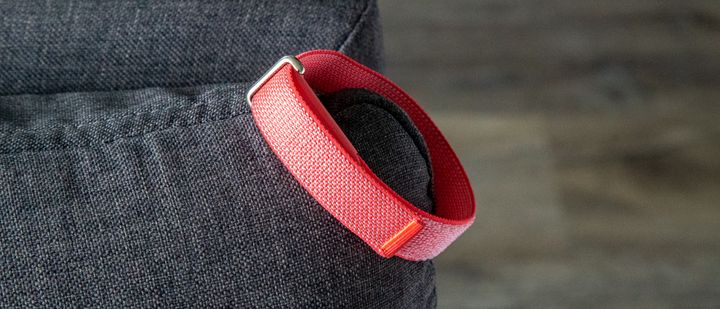
A featherweight, distraction-free tracker that nails 24/7 health monitoring without mandatory fees. The Fitbit Air is ideal for anyone seeking continuous health, sleep, and activity tracking without the distraction and nightly recharging of a smartwatch. Its biggest strength is an exceptionally light 12-gram build paired with full access to core wellness metrics without a paywall. The primary catch is the lack of onboard GPS and a complete reliance on your smartphone to view stats. While the rival Whoop platform offers deeper athletic strain metrics and longer endurance, the Fitbit Air costs a fraction of the price upfront at $99.99 and requires no recurring subscription.
3 published review links
Fitbit Charge 6
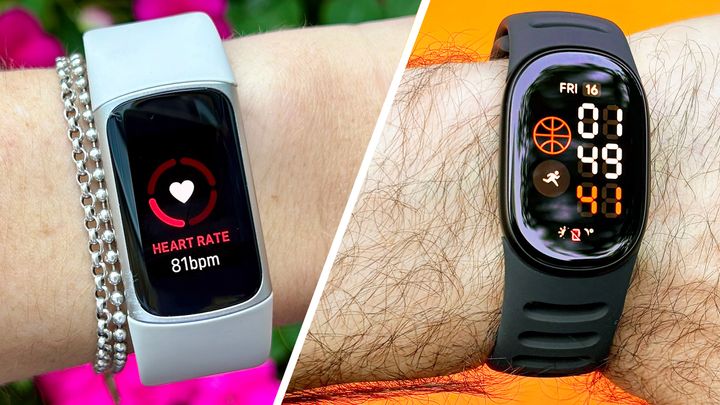
The most capable fitness band for casual health tracking, but held back by weak GPS and subscription paywalls. The Fitbit Charge 6 is ideal for anyone who wants detailed daily health and sleep metrics in a slim band without having to recharge every night. Its biggest strength is its comprehensive sensor suite, pairing ECG, EDA, and noticeably improved optical heart rate tracking with Google Wallet and Google Maps integration. However, the built-in GPS remains unreliable on standalone runs, and vital features like the Daily Readiness Score are locked behind the Fitbit Premium paywall. For dedicated runners, a Garmin sports watch offers far superior outdoor navigation and workout analytics, while smartwatch seekers will find the Apple Watch SE more versatile if willing to sacrifice multi-day battery life.
1 published review link
Fitbit Edge
A slim, week-long fitness tracker with a bright OLED screen held back by missing tap-to-pay. The Fitbit Edge is an appealing choice for anyone who wants a lightweight, unobtrusive wearable with a screen that works seamlessly on both Android and iOS. Its primary strengths are a bright 1.34-inch AMOLED display, an easy-to-wear 11.5mm aluminum case, a tactile physical side button, and dependable daily activity tracking. The biggest catch is Google's puzzling removal of NFC contactless payments, stripping away Google Wallet convenience. While it lacks the rich app ecosystems of true smartwatches like the Apple Watch SE 3 or Google Pixel Watch 5, it lasts days longer between charges and delivers the core health fundamentals.
7 published review links
Fitbit Inspire 3
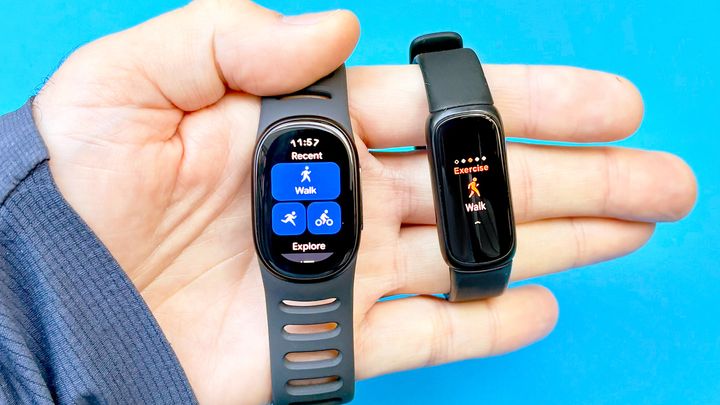
A lightweight, long-lasting entry-level tracker whose slim color screen trades GPS for week-plus stamina. The Fitbit Inspire 3 is best suited for beginners and casual exercisers who want an unobtrusive health tracker that monitors steps, sleep, and heart rate for over a week without recharging. Its biggest strength is its featherweight 17.7-gram chassis combined with genuine 10-day battery life and comprehensive sleep staging. The primary catch is the absence of built-in GPS and contactless payments, requiring a tethered smartphone for outdoor route mapping. Compared to the pricier Fitbit Charge 6, it sacrifices NFC and standalone location tracking, but it costs around $60 less and lasts several days longer between charges.
2 published review links

Garmin Cirqa
Garmin Cirqa review roundup: A capable screen-free fitness tracker free from subscription fees. The Garmin Cirqa is an appealing option for athletes and traditional watch wearers who want comprehensive 24/7 recovery and health metrics without wrist distractions. Its greatest asset is bringing Garmin's rich Body Battery and recovery algorithms into a screenless band with no mandatory subscription. The main trade-off is the lack of built-in GPS and a slightly bulkier module compared to sleeker rivals. Against the Whoop 5.0, the Cirqa saves hundreds of dollars over time, making it the smarter buy for anyone unwilling to rent their fitness data.
3 published review links

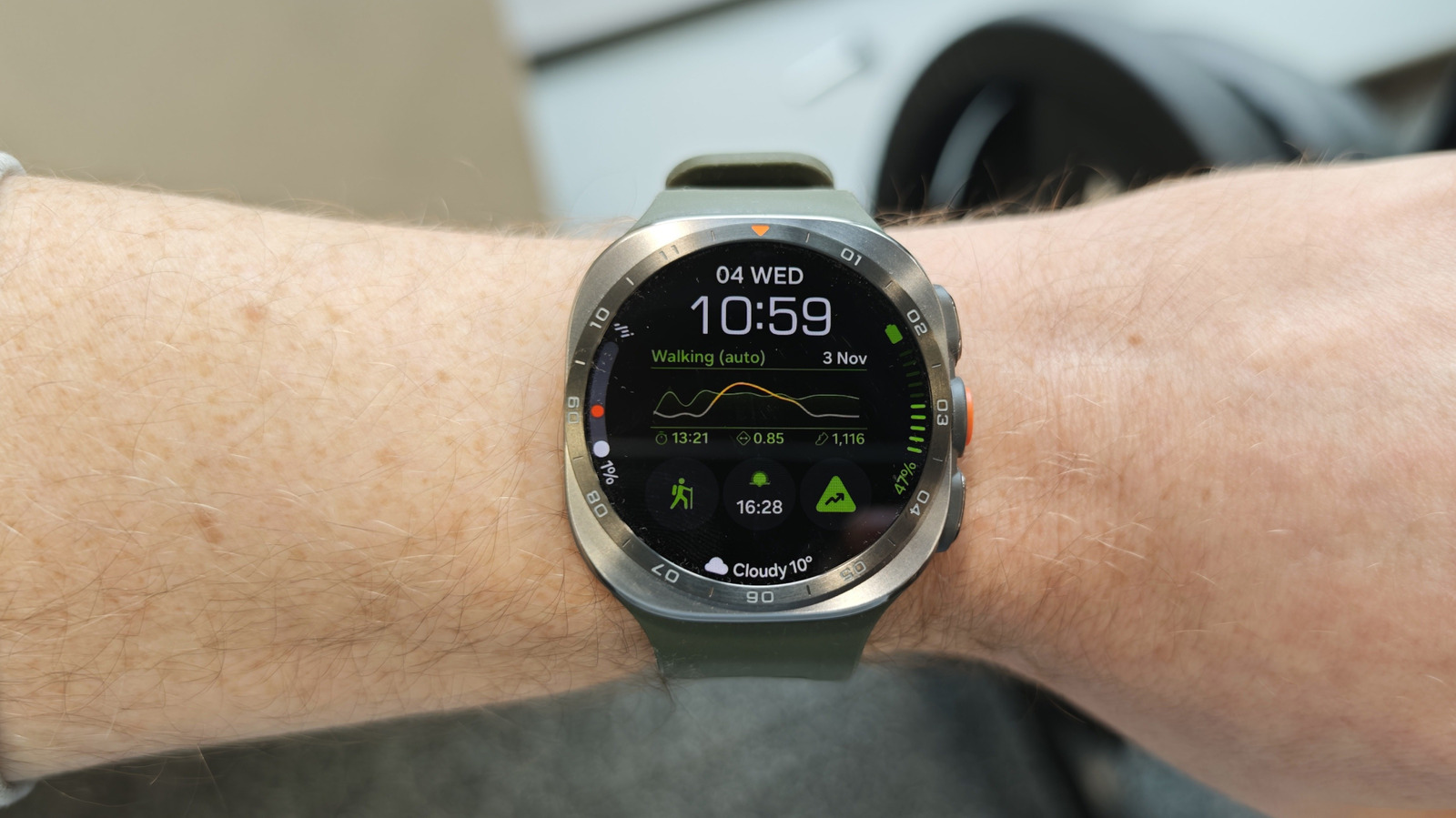
dark grey case with the lighter titanium bezel and a green fabric strap
Garmin delivers class-leading solar battery life and faster mapping in an ultralight 51mm titanium frame. The Garmin Enduro 4 is built for ultramarathoners, multi-day backpackers, and endurance athletes who need weeks of uptime without carrying a charging cable. Its main strength is unmatched battery longevity paired with double the onboard storage and a noticeably faster mapping engine. The biggest drawback is the $100 price increase over its predecessor without adding lifestyle conveniences like a microphone or AMOLED screen. Compared to the Fenix 9 Pro, the Enduro 4 sacrifices voice features and dive depth to save weight, cut $200 off the price, and more than double tracking endurance.
2 published review links
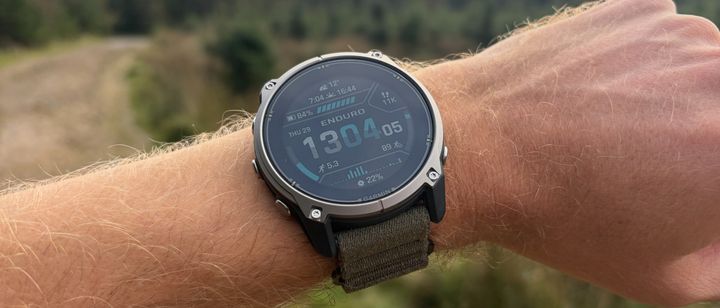
Garmin Enduro 4
Monster battery life and a lightweight titanium build make this an ultra-endurance champ with few new tricks. The Garmin Enduro 4 is built for ultramarathoners, thru-hikers, and multi-day expedition athletes who want class-leading battery longevity without packing a charger. Its greatest strength is stamina, delivering up to 320 hours of GPS tracking with solar assistance and over two weeks of heavy real-world use. The catch is that its hardware is almost indistinguishable from the previous generation, and the single 51 mm casing will dwarf smaller wrists. Compared to the Garmin Fenix 9 Pro Solar, the Enduro 4 is lighter and significantly cheaper, though it foregoes a speaker, microphone, and luxury metal styling.
2 published review links

47mm model
A premium titanium outdoor watch with an ultra-bright AMOLED display and a steep price tag. The Garmin Fenix 9 Pro 47mm is built for dedicated outdoor enthusiasts and endurance athletes who want uncompromising durability, top-tier multi-band navigation, and an ultra-bright 3,000-nit display. Its greatest strengths are its premium full-titanium construction, rich offline mapping, and deep training metrics that require no recurring membership. The main catch is the steep $1,099.99 starting price and faster battery drain during intensive multi-band GPS sessions compared to MIP solar models. Compared to the Apple Watch Ultra 4, it lasts days longer and offers superior trail navigation, but trails behind in daily smartwatch apps and iOS integration.
4 published review links
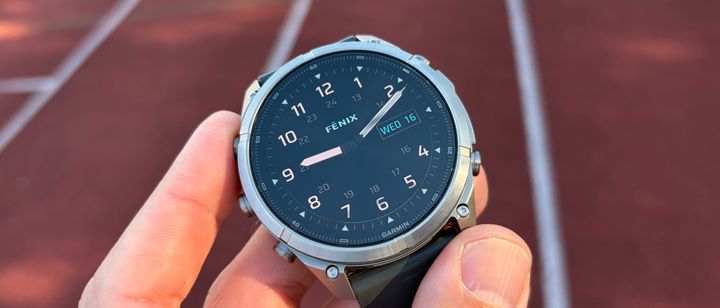
51mm model I tested
Garmin's Fenix 9 Pro combines an ultra-bright AMOLED screen and full titanium shell with exceptional endurance. The Garmin Fenix 9 Pro 51mm is engineered for ultrarunners, mountaineers, and expedition athletes who demand uncompromising build quality and deep navigational tools. Its standout strength is uniting a vivid 3,000-nit AMOLED display and a full titanium chassis with multi-week battery life that outlasts conventional smartwatches. The main hurdle is its imposing 99-gram weight and four-figure price tag, making it excessive for everyday fitness tracking. Against the Apple Watch Ultra 4, the Fenix provides far superior multi-day battery endurance and native training analysis, though it trails Apple in smartwatch polish and app selection.
4 published review links

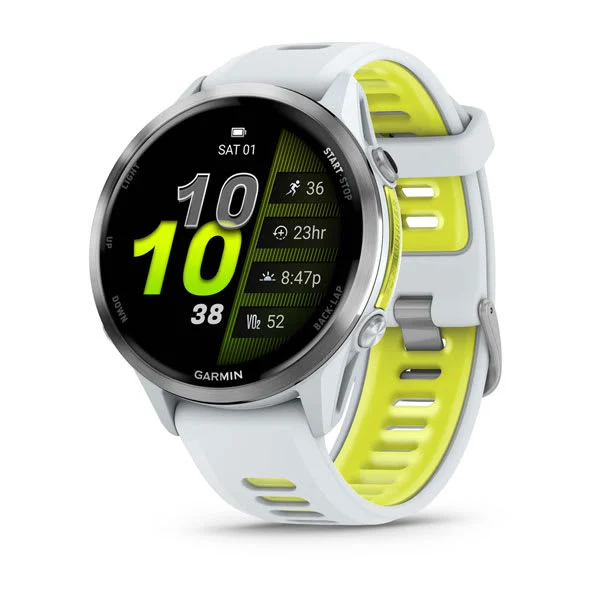
47mm GPS running watch; no LTE
Compare the Forerunner 965 if endurance and price matter more than a flashlight or the newest metrics.
4 published review links

Garmin Instinct Crossover AMOLED
Real analog hands meet a vibrant AMOLED screen in a rugged hybrid watch, let down by a steep price and no maps. The Garmin Instinct Crossover AMOLED suits outdoor enthusiasts and mechanical watch lovers who want tactile analog hands without giving up Garmin's comprehensive fitness tracking and outdoor sensor suite. Its biggest strength is the clever integration between the luminous Super-LumiNova hands and the bright 390x390 AMOLED display, reinforced by an integrated LED flashlight and reliable multi-band GPS. The primary drawback is the absence of offline topographic maps, which is difficult to overlook at a $650 price point. Compared with the monochrome Instinct 2X Solar, you trade multi-week endurance for high-contrast visibility, while buyers needing full mapping will find better value in Garmin's Fenix line.
1 published review link
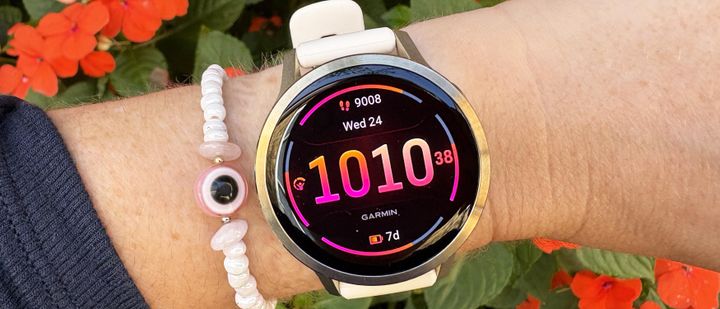
41mm lunar gold version with the bone silicone strap
1 published review link
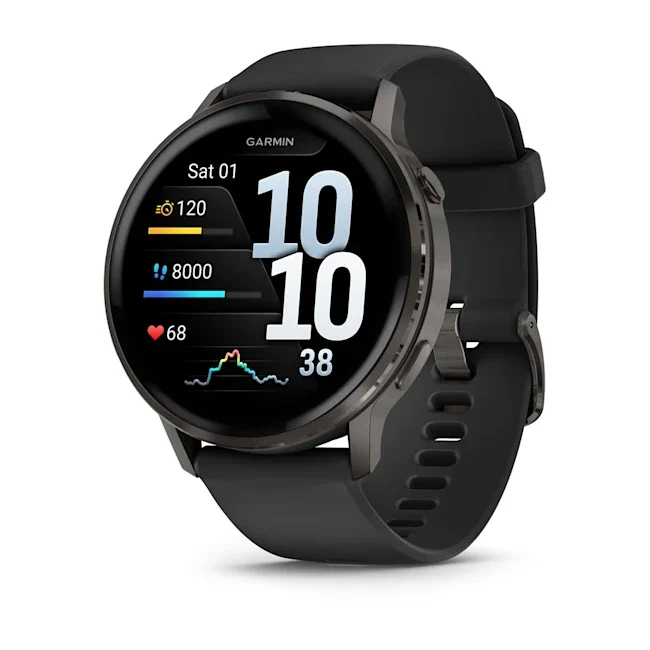
45mm 2025 model; not the 41mm battery specification
Fitness and endurance ahead of a full app ecosystem. The 45mm Venu 4 suits someone who wants fitness tracking, longer battery life and a useful built-in flashlight. It is less compelling if a wide selection of apps or cellular independence is essential. There is no LTE or full-color mapping, so do not buy it as a substitute for every outdoor-focused Garmin.
2 published review links

45mm
A refined Android smartwatch with true two-day endurance, elevated by snappy Gemini AI and standout safety tech. The 45mm Google Pixel Watch 5 is the best Wear OS watch for Android users who prioritize effortless everyday utility, reliable health metrics, and modern AI integration. Its biggest strengths are its genuine 48-to-56-hour battery endurance and fast 15-minute top-ups, which solve the daily charging anxiety of earlier models. The catch remains its exposed, scratch-prone domed glass, a $50 price hike, and paywalled advanced fitness coaching. While the Samsung Galaxy Watch 9 offers a lower starting price and a more rugged flat screen, Google delivers superior dual-frequency GPS accuracy and smoother on-wrist intelligence.
2 published review links
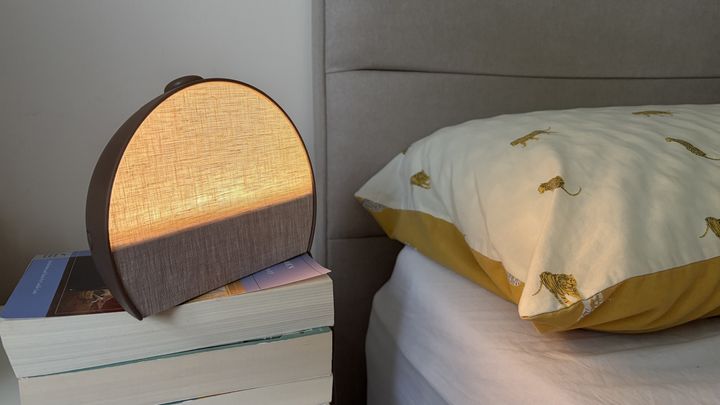
Hatch Sleep Clock
A contactless sleep tracker and sunrise alarm that frees your wrist, but requires an AC plug and subscription. The Hatch Sleep Clock is best suited for anyone who wants gentle wake-ups and sleep monitoring without wearing uncomfortable rings, straps, or smartwatches to bed. Its greatest strength is pairing a soothing, gradual sunrise lamp with radar-based sleep stage tracking that Tom's Guide found closely mirrored dedicated finger sensors. The major catch is that it cannot monitor vitals like heart rate, HRV, or skin temperature, and it only tracks a single sleeper. Compared to the $169.99 Hatch Restore 3, shoppers are essentially paying an $80 premium solely to add passive radar tracking.
1 published review link
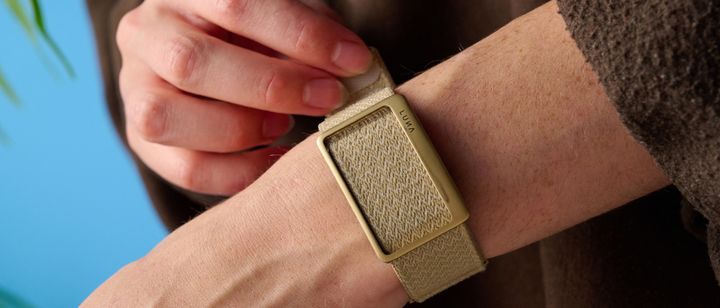
beige option
A comfortable, subscription-free Whoop rival held back by half-baked software. The Luna Band is aimed at fitness enthusiasts who want a screenless, unobtrusive health tracker without committing to recurring membership fees. Its standout qualities are its lightweight 24g chassis, 10-day battery life, and completely free LifeOS platform. However, the wearable launched in an unfinished state, plagued by unchangeable activity goals, unreliable auto-workout detection, and grayed-out features. While it undercuts Whoop significantly on total cost of ownership, Whoop remains vastly superior in algorithmic maturity and athletic training analytics.
1 published review link
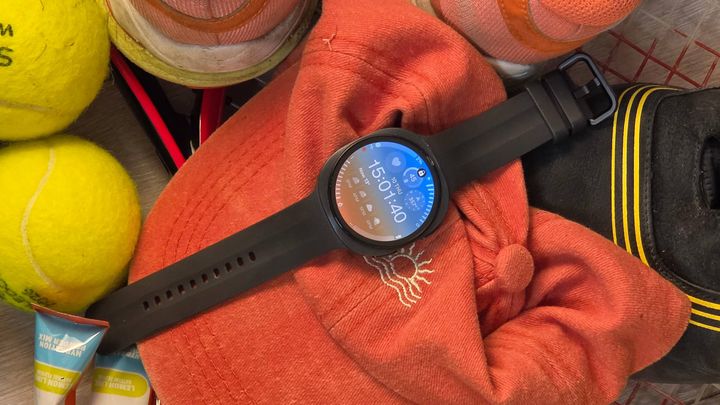
40mm model
A snappy Wear OS smartwatch with helpful health tools, held back by daily charging and sluggish top-up speeds. The Samsung Galaxy Watch 9 is an easy recommendation for Galaxy smartphone owners who want a lightweight everyday timepiece with detailed health metrics and fluid software. Its greatest asset is the combination of the responsive Snapdragon Wear Elite processor and actionable insights like the overnight Vitals dashboard and Fitness Index. The primary catch remains battery longevity: despite a larger cell, it still requires daily trips to the charger, and thermal throttling can drag out recharge times. Compared with the Google Pixel Watch, Samsung provides broader health sensors without requiring a paid subscription, though several key cardiac features remain gated behind Samsung phones.
4 published review links
Samsung Galaxy Watch Ultra 2
A rugged Android flagship with class-leading screen brightness and multi-day battery life. The Samsung Galaxy Watch Ultra 2 is the premier choice for Android power users and endurance athletes wanting deep smartwatch functionality alongside expedition-level durability. Its biggest strength is endurance, pairing an 800mAh battery that delivers three to four days of uptime with an extraordinarily bright 5,000-nit display. The main frustration is sluggish charging, taking nearly two and a half hours to reach full capacity. Compared with the Apple Watch Ultra series, it costs $100 less and lasts longer, though iPhone users cannot use it and key medical features remain locked to Samsung smartphones.
3 published review links
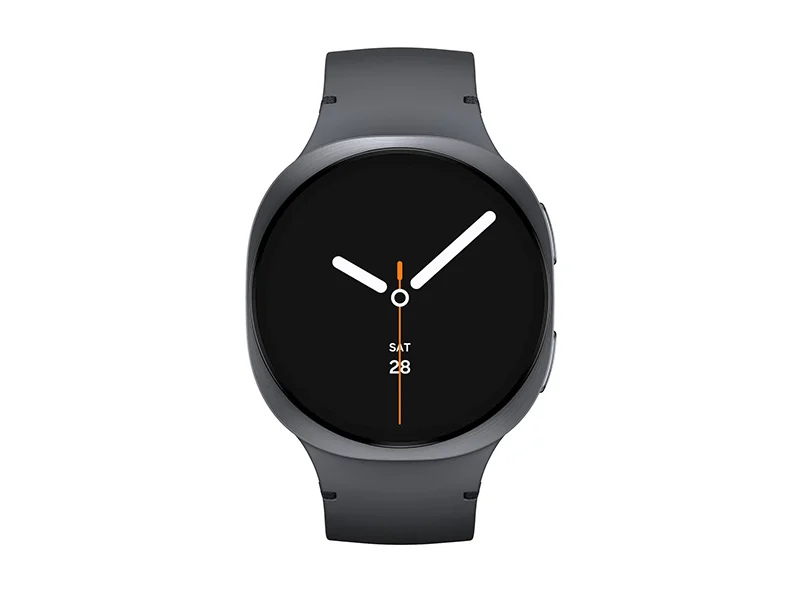
Standard 44mm Bluetooth; not Classic or LTE
An everyday smartwatch best paired with a Galaxy phone. Comfort, notifications and Android apps are the Watch8’s strengths. Frequent charging is the cost of that broader smartwatch experience, and some health features depend on a Samsung phone. Confirm the 44mm size and connectivity variant; the Classic and smaller versions are different purchases.
2 published review links



gold finish
A dramatic shrink in size makes Oura's premier smart ring feel like genuine jewelry, though the subscription persists. The Oura Ring 5 is the best option for shoppers seeking unobtrusive, round-the-clock sleep, stress, and recovery tracking disguised as fine jewelry. Its chief strength is an impressive 40% reduction in volume, shrinking the titanium shell down to 2.28 mm thick and roughly 2 grams without sacrificing week-long battery endurance. However, active athletes will find intense workout tracking remains subpar compared to dedicated sports watches, and accessing your health data still mandates a recurring monthly fee. Compared to subscription-free rivals like the Samsung Galaxy Ring, Oura delivers deeper algorithmic wellness insights and broader cross-platform support.
8 published review links
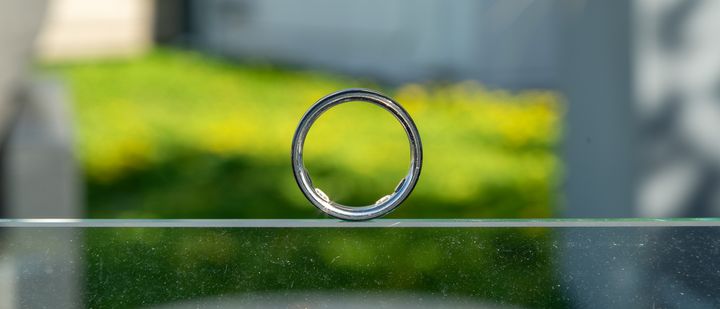
size 11
A dramatically slimmer titanium build solidifies Oura as the premier sleep and recovery wearable. The Oura Ring 5 is the best choice for anyone wanting continuous sleep, recovery, and wellness monitoring without wearing a watch to bed. Its biggest strength is a 40 percent volume reduction that makes it wear like standard jewelry while preserving six to seven days of battery life. The catch is the mandatory $5.99 monthly subscription and poor fitness accuracy for intense workouts. Compared to subscription-free rivals like the Samsung Galaxy Ring, Oura offers significantly deeper sleep insights and polished software, provided you are willing to pay the recurring fee.
8 published review links
Reviews, comparisons and hands-on reports from tech publishers.