Price points

Shop by budget

Well-reviewed products that fit what you want to spend.

Review roundups summarize published reviews; we haven’t tested these products. Links to retailers may earn us a commission. How we work

Within your budget

Live prices unavailable

No live retailer prices within this budget right now; the models below launched within it.

Launched within your budget

No live price is available for these, so we use the price at launch or in the review. Current prices are often lower, sometimes higher. Check before buying.

Launch MSRP $349 · Launch, June 2025
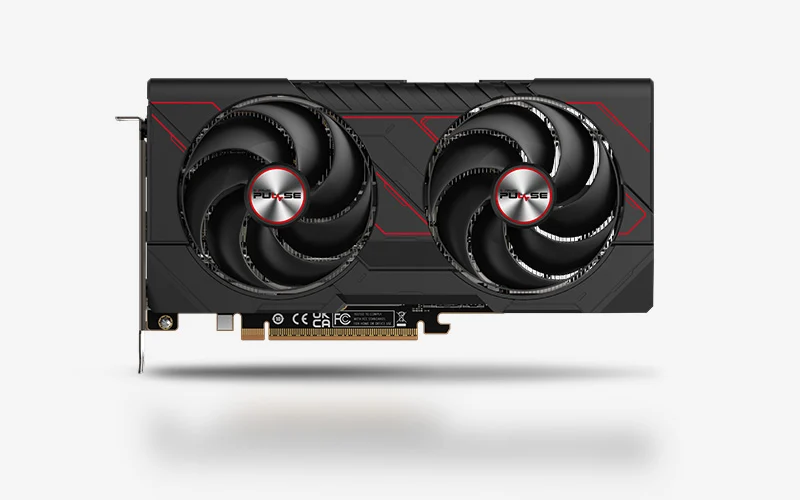
SAPPHIRE PULSE AMD Radeon RX 9060 XT OC 16GB — manufacturer product image
A smaller-budget gaming build

Radeon RX 9060 XT 16GB

Desktop GPU, 16GB model; not the 8GB version

Put the savings toward the rest of your PC. The 16GB 9060 XT is a sensible starting point for a lower-cost gaming build. Its appeal fades if a 16GB 5060 Ti is similarly priced and you use Nvidia-specific features. Compare native and upscaled results separately, especially in demanding ray-traced games, and avoid confusing this card with the 8GB model.

3 published review links
Launch MSRP $429 · Launch, April 2025
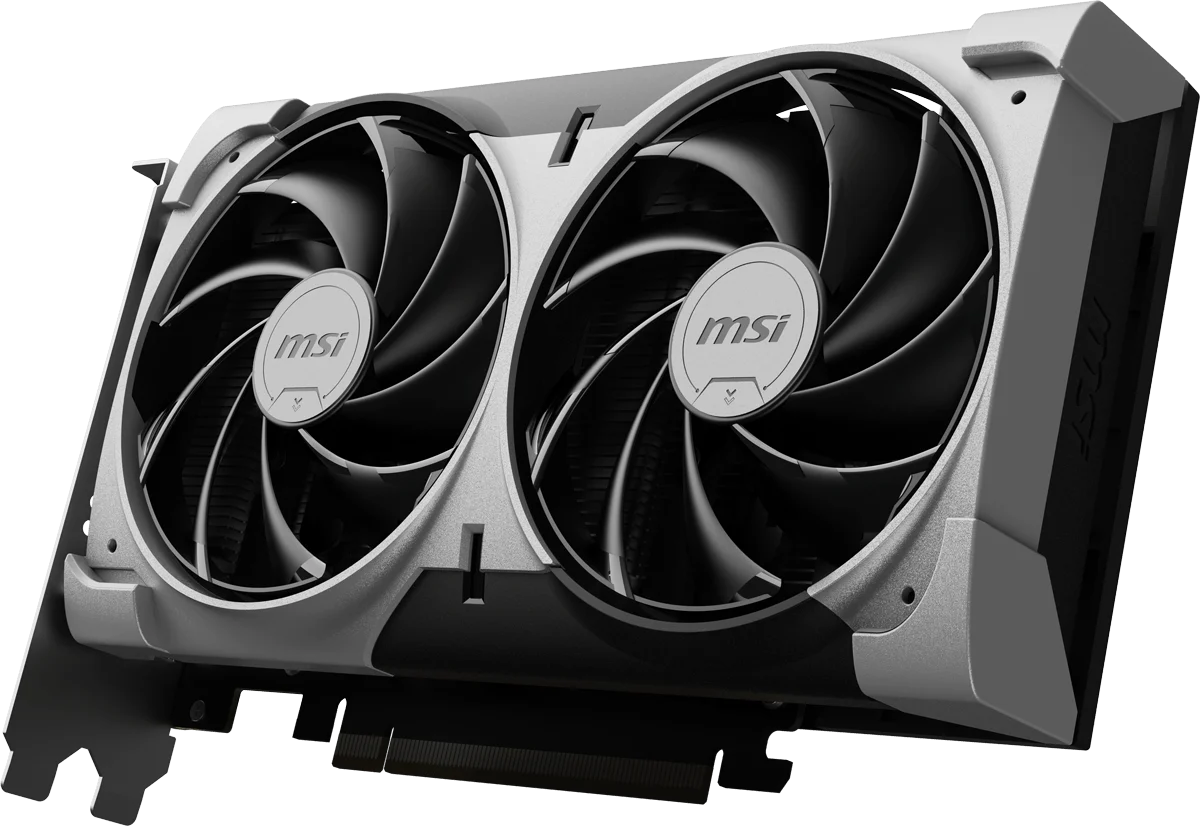
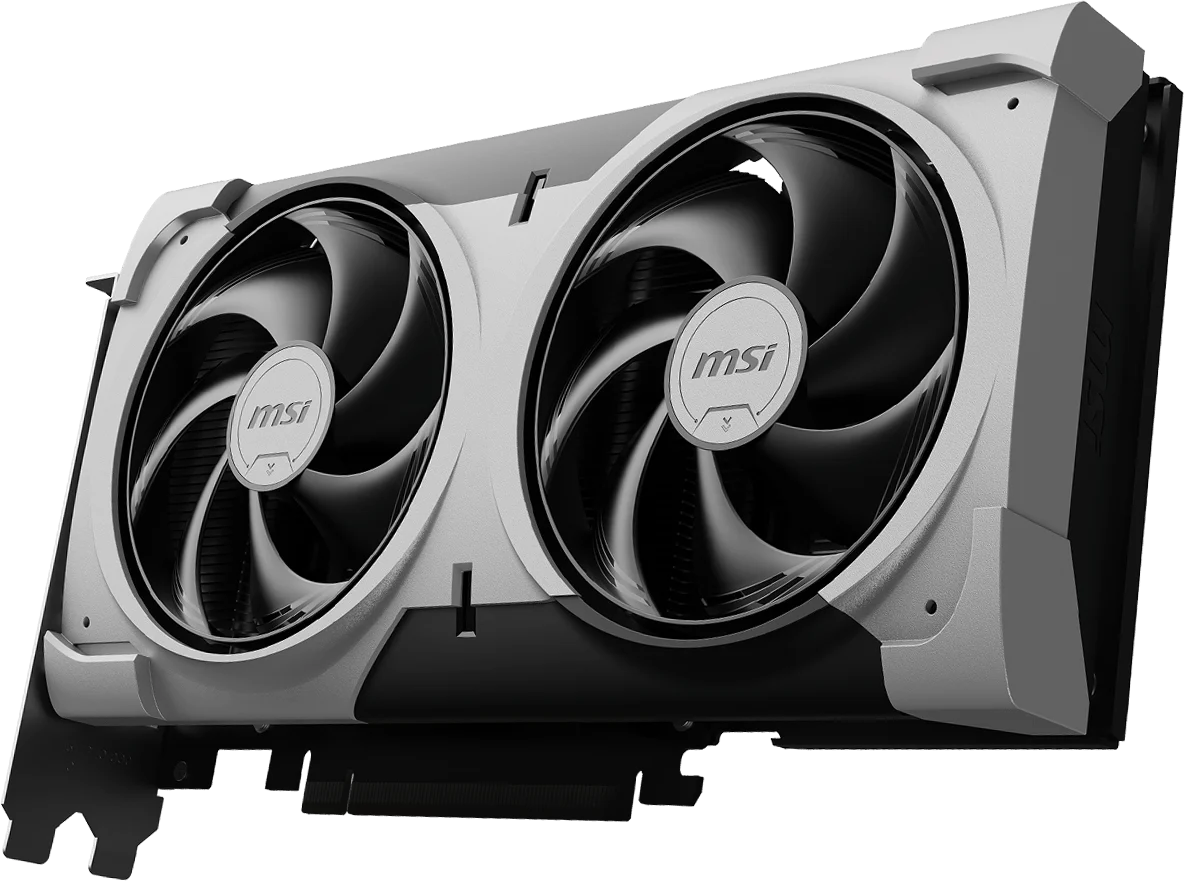
MSI GeForce RTX 5060 Ti 16G VENTUS 2X OC PLUS — manufacturer product image
A midrange build using Nvidia gaming features

GeForce RTX 5060 Ti 16GB

Desktop GPU, 16GB model; not the 8GB version

Worth a premium only for features you use. The 16GB model has the memory capacity we would look for in this class, with DLSS adding useful options in supported games. A large premium over the 9060 XT is harder to defend. Start with the games you play and their native performance; frame generation works best when the underlying frame rate is already good.

3 published review links

Also worth a look

Prices are unavailable for these models. They may fall outside your budget.

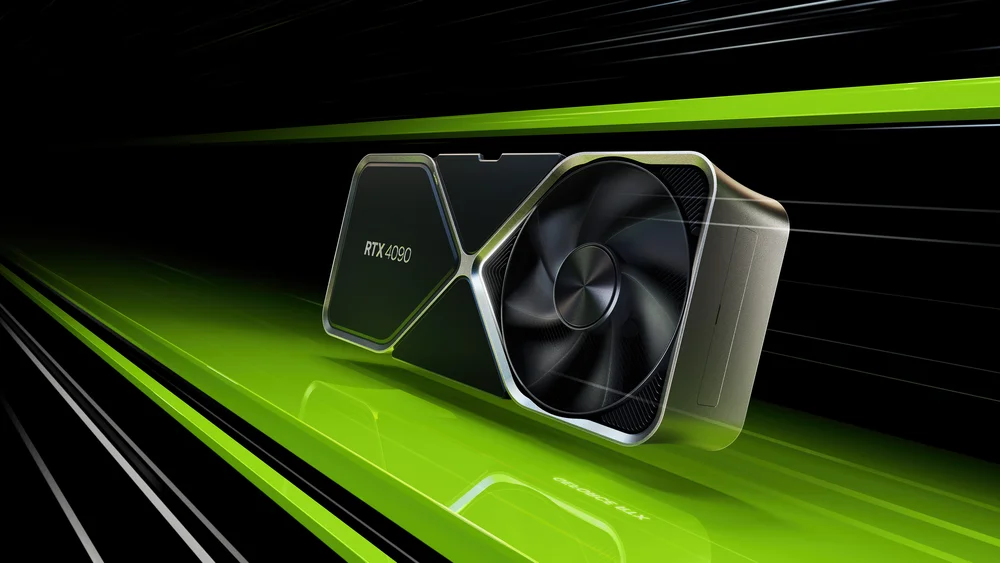
NVIDIA GeForce RTX 4090 Founders Edition — manufacturer product image
Native 4K performance and workloads needing more than 16GB VRAM

GeForce RTX 4090

24GB desktop GPU; Founders Edition benchmark sample

Still faster than the 5080 where it counts. Keep it if you already own one. Its 24GB of memory and stronger native 4K performance make the RTX 5080 a poor upgrade from a 4090. Buying one now is a different decision: a large power draw, bulky coolers and the warranty on a used card all need to justify the asking price.

4 published review links

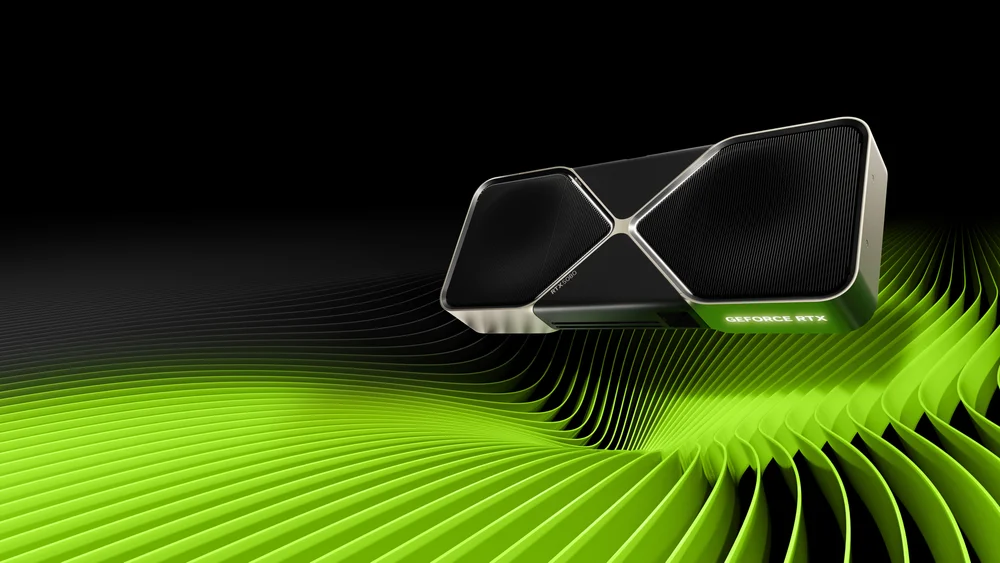
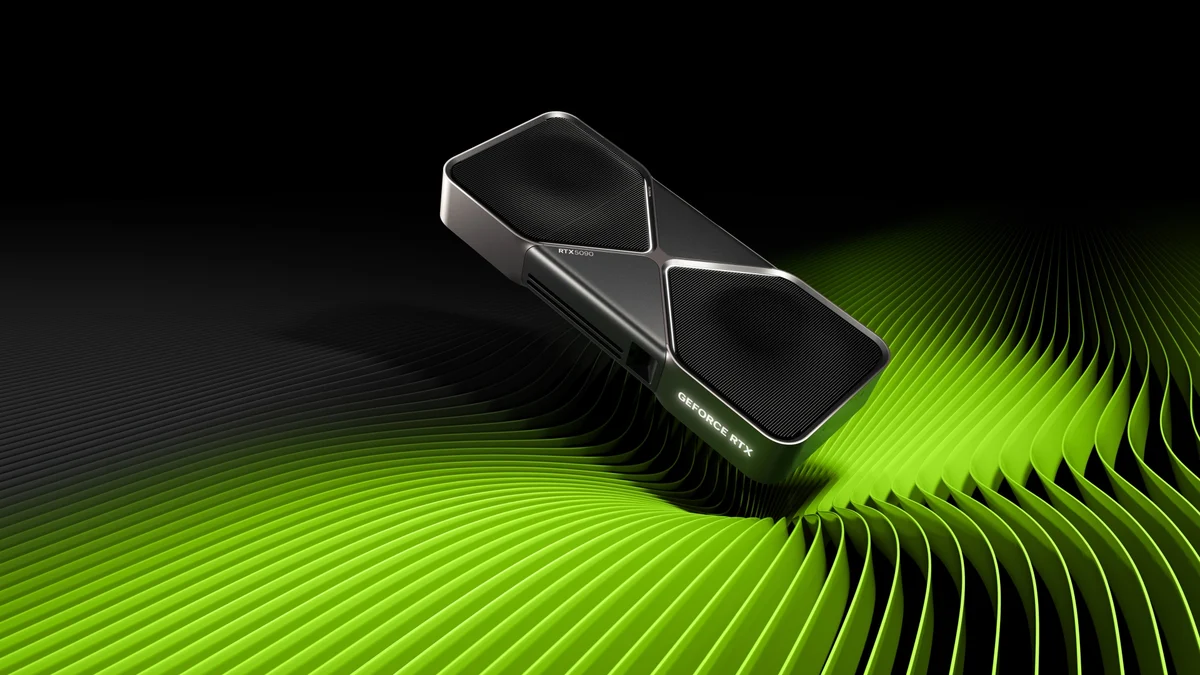
NVIDIA GeForce RTX 5080 Founders Edition — manufacturer product image
A new high-end build balancing gaming performance and power

GeForce RTX 5080

16GB desktop GPU; Founders Edition benchmark sample

A better fit for a new build than a 4090 upgrade. The 5080 uses substantially less power than the 4090 in the linked gaming tests, but it also delivers fewer native frames and has 16GB of memory instead of 24GB. Multi Frame Generation can make supported games look smoother; it does not erase that performance gap. The strongest case is a new high-end PC or a move from a much older card.

4 published review links

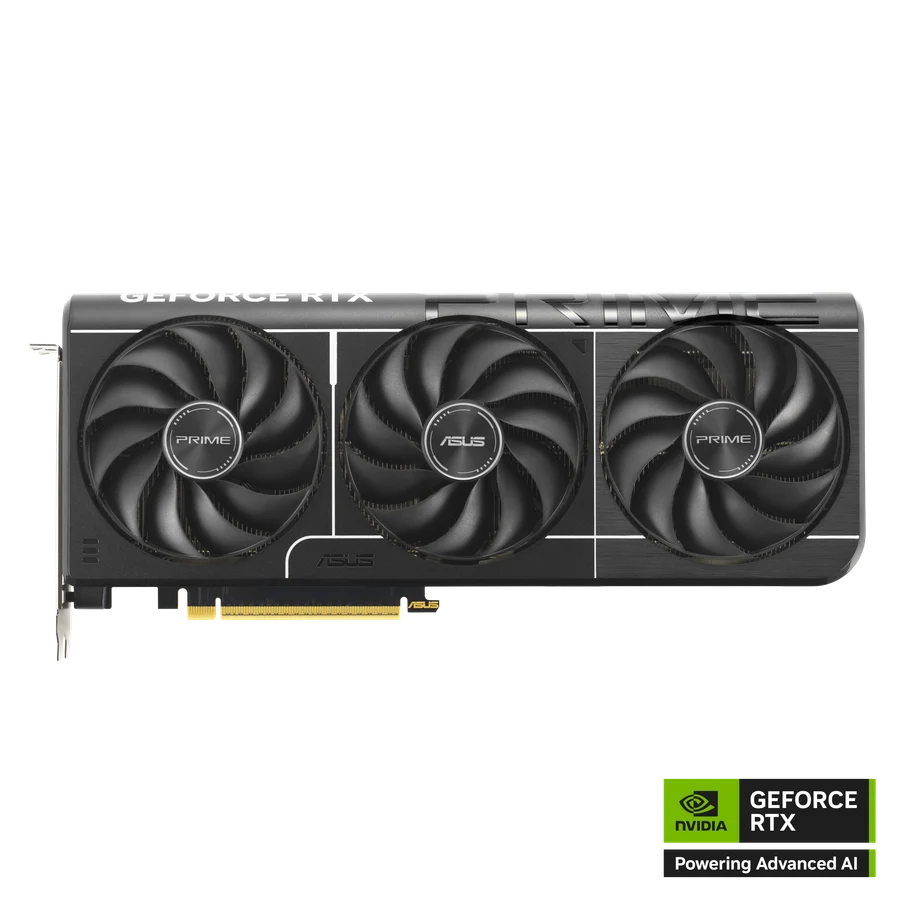
ASUS Prime GeForce RTX 5070 Ti 16GB GDDR7 — manufacturer product image
Gaming with demanding ray tracing

GeForce RTX 5070 Ti

Desktop GPU; partner-board cooling and pricing vary

A strong choice for demanding ray tracing. The 5070 Ti makes its best case in games where Nvidia’s ray-tracing performance and DLSS support are useful. The RX 9070 XT remains a serious alternative with the same 16GB capacity. A big price gap should send you back to the game-by-game results: the Nvidia advantage is far from uniform.

3 published review links

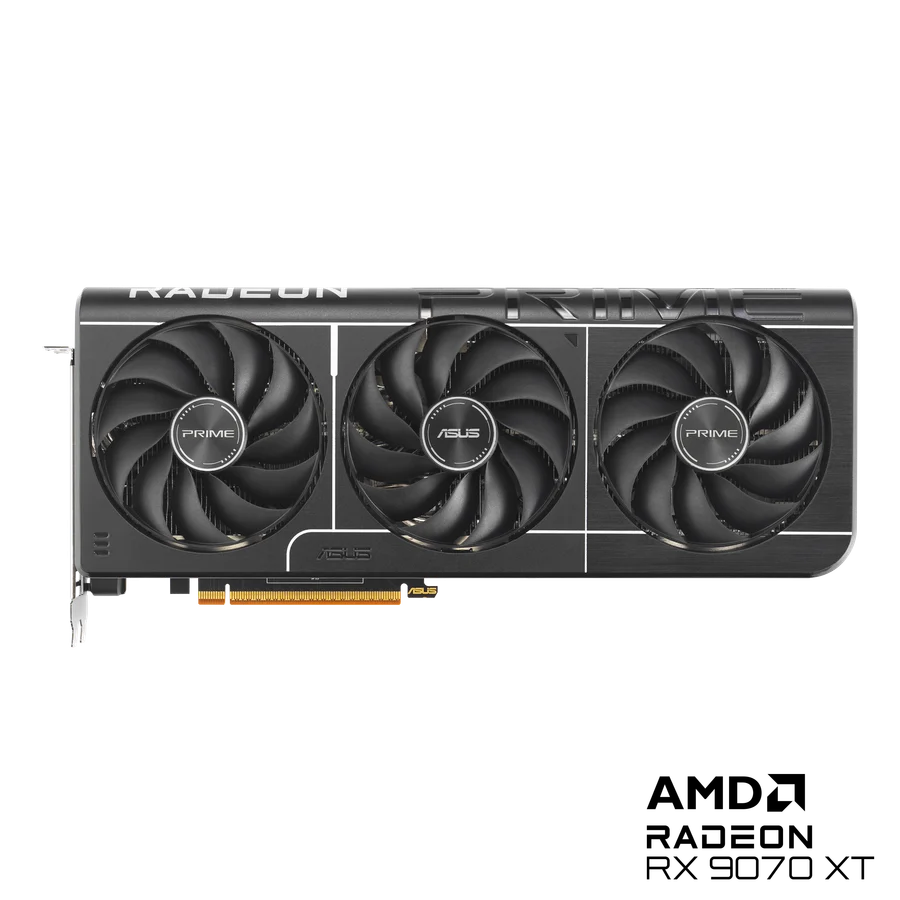
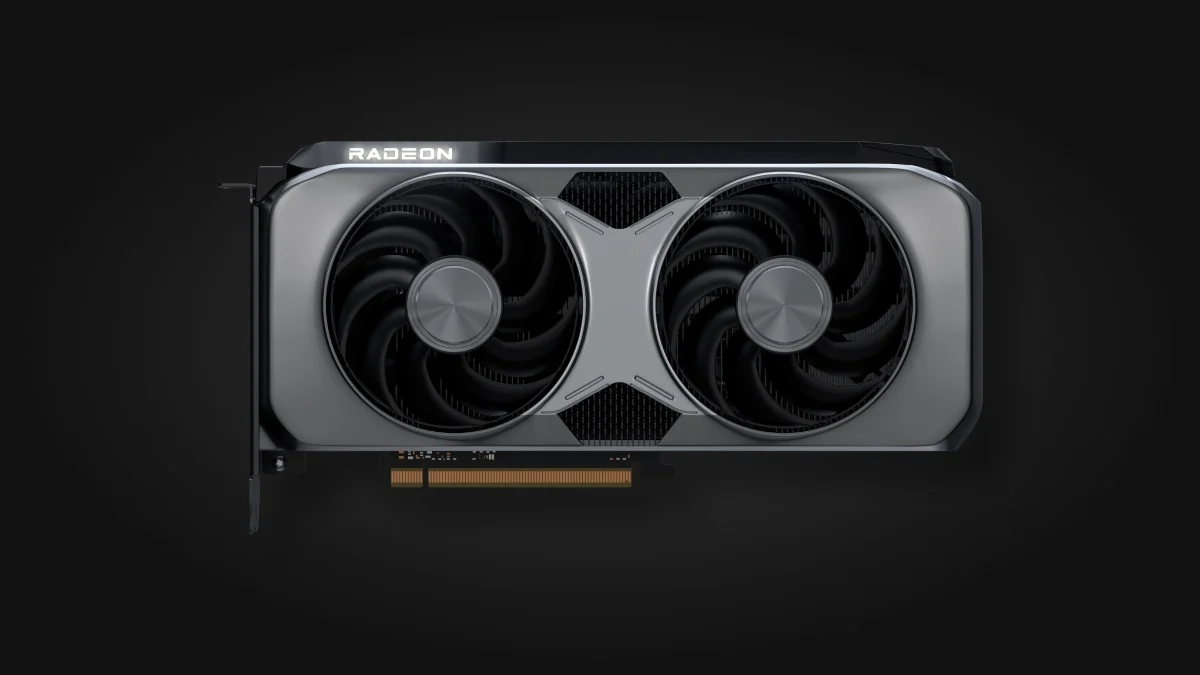
ASUS Prime Radeon RX 9070 XT OC Edition 16GB GDDR6 — manufacturer product image
Gaming value when priced below its rival

Radeon RX 9070 XT

Desktop GPU; not the non-XT RX 9070

The alternative that needs a meaningful saving. For gaming without the heaviest ray-tracing settings, the 9070 XT can make better use of a fixed budget than a more expensive 5070 Ti. The decision changes in demanding path-traced games. Buy for the settings you actually use, rather than assuming either card wins every game.

3 published review links