Well-reviewed products that fit what you want to spend.
We summarize professional reviews; we don't test products ourselves.We may earn a commission from purchases or qualifying sign-ups through our links. Affiliate links explainedHow we work
Televisions budgets
Compare the same screen size. Large premium OLED TVs belong in a different budget from desktop monitors. These shortcuts are spending limits, not quoted prices. USD, before tax and shipping.
Within your budget
Checking retailers…
Price needs checking
We have neither a current offer nor a recorded reference price for these models. They are not confirmed to fit your budget.
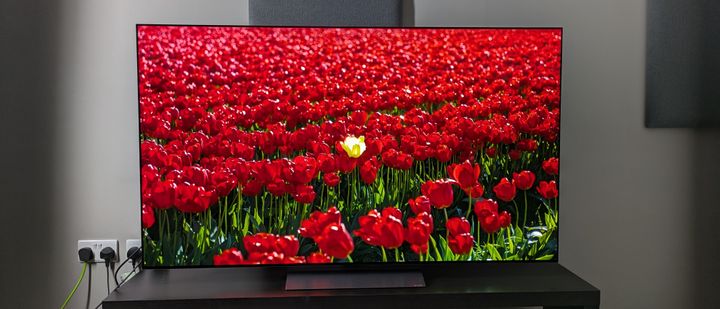
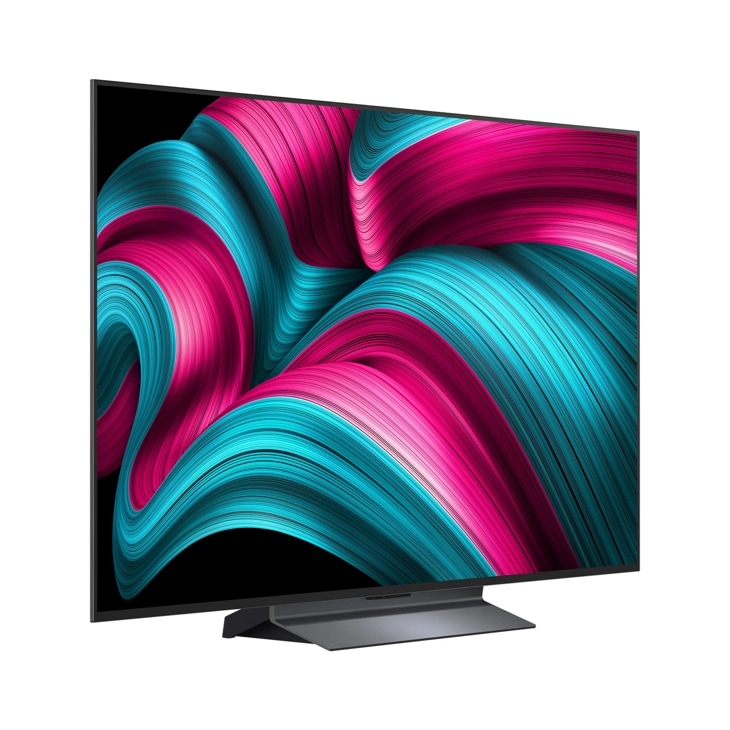
An older OLED worth buying for the saving. The 55-inch C5 remains appealing for dark-room films and gaming, with OLED contrast and a useful set of HDMI gaming features. Its case against a newer C6 depends on the discount. Think carefully about reflections in a bright room, and confirm the exact screen size rather than borrowing conclusions from a different panel.
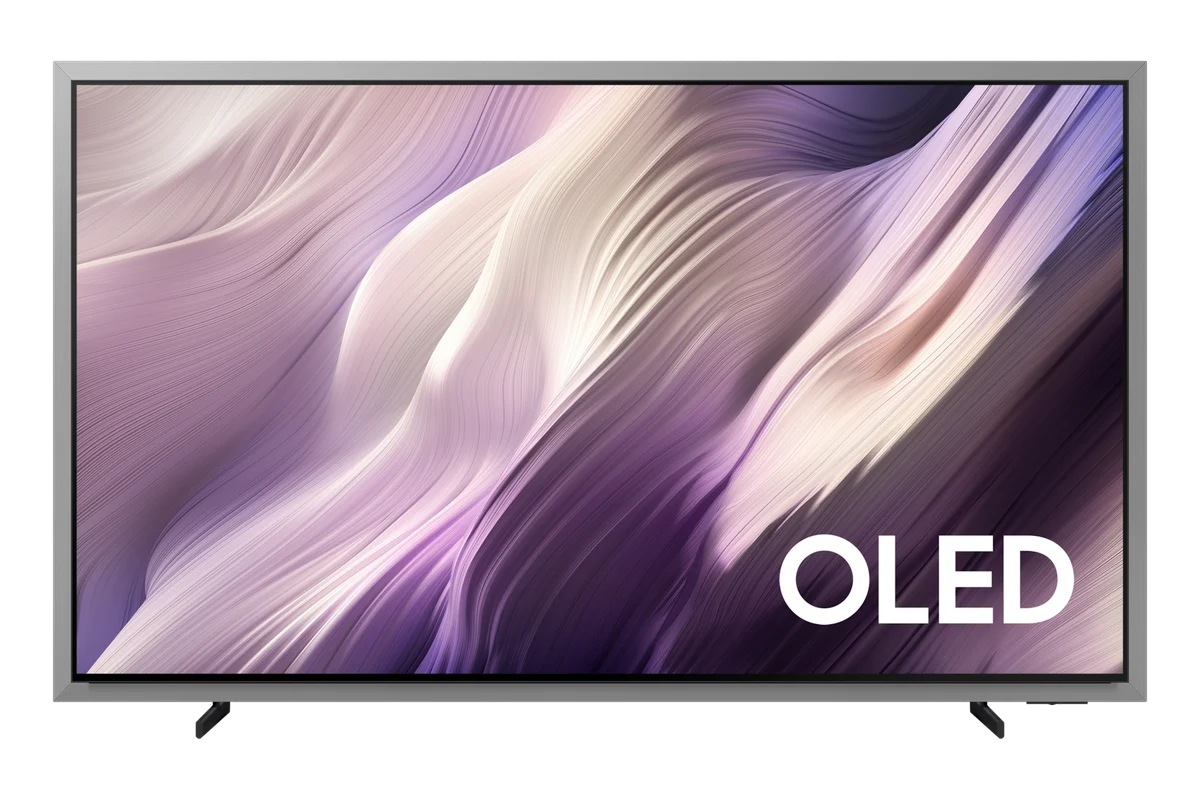
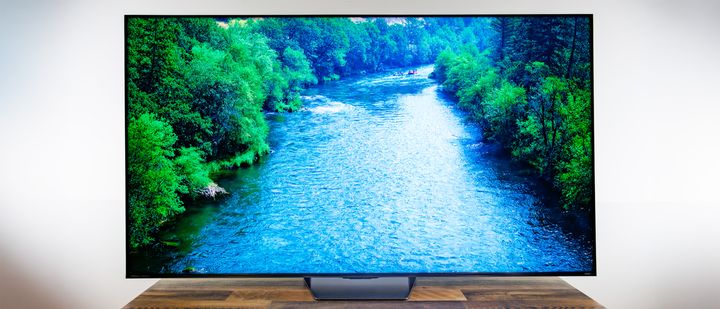
Class-leading brightness and elite gaming speed define Samsung's flagship OLED, despite a polarizing new frame. The Samsung S95H is an exceptional flagship television designed for home theater enthusiasts and demanding gamers who want OLED contrast without sacrificing bright-room performance. Its standout strength is its blistering QD-OLED brightness, which pairs with an effective Glare Free matte screen to disperse daytime reflections far better than glossy panels. The primary compromises remain Samsung's persistent lack of Dolby Vision support and a thicker, artsy frame design that eliminates the previously included One Connect box. Compared with its chief rival, the LG G6, the S95H delivers higher color volume and superior daylight reflection diffusion, though the LG retains Dolby Vision and maintains deeper perceived black levels under direct ambient light.
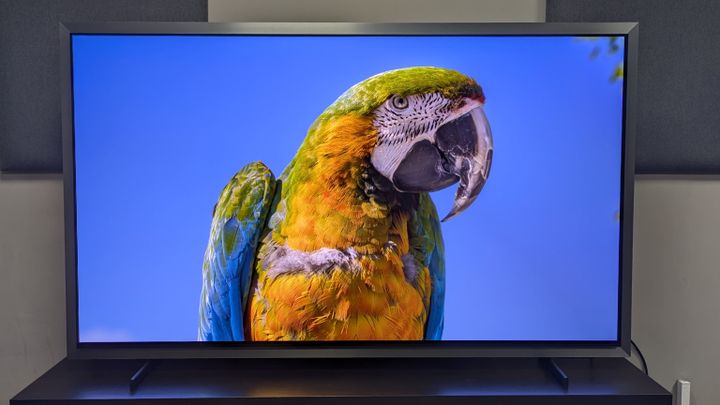
A responsive, wallet-friendly 120Hz OLED whose modest HDR brightness suits dim living rooms best. The 65-inch Roku Pro Series OLED is built for budget-conscious cinephiles and console gamers who want authentic OLED contrast without paying typical OLED premiums. Its biggest asset is responsiveness paired with infinite black levels, achieving class-leading gaming latency in lab tests. The notable catch is limited HDR peak brightness, which leaves specular highlights dimmer than on higher-end sets. It undercuts rivals like the LG B6 on list price, though LG offers slightly punchier HDR highlights and a more dedicated gaming dashboard.
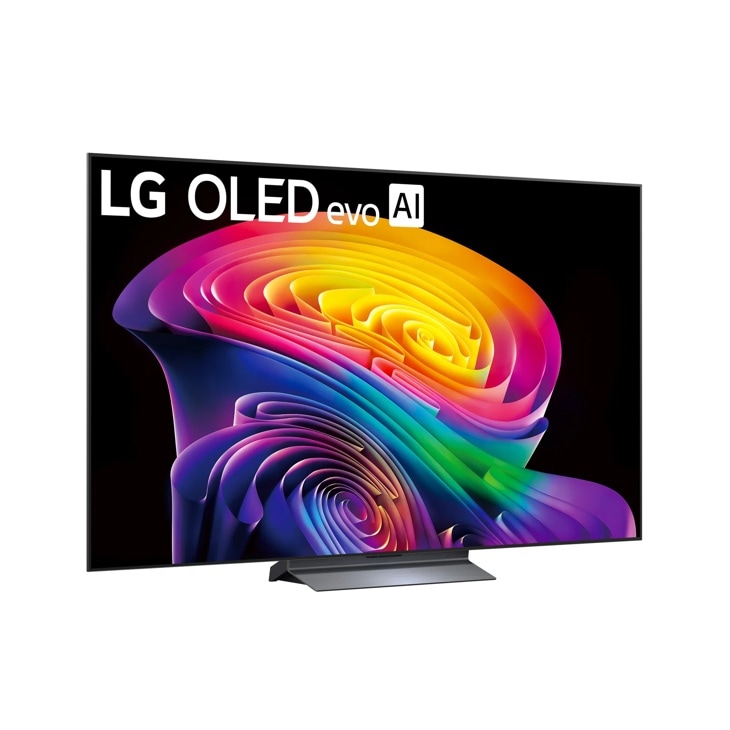
A superb compact OLED that doubles as an elite gaming display, tempered only by modest brightness gains. The LG C6 42-inch is ideal for PC gamers and movie enthusiasts who want reference-grade contrast in a compact footprint suitable for a desk or smaller room. Its standout strength is exceptional picture processing powered by the Alpha 11 AI Gen 3 processor, paired with four full-bandwidth HDMI 2.1 ports and a 165Hz refresh rate. The biggest compromise is that the 42-inch model misses out on the Tandem OLED panel and Brightness Booster technology found on larger sizes, alongside thin built-in speakers. Compared to the outgoing LG C5 42-inch, improvements are subtle, making a discounted predecessor the stronger pure-value choice if available.
A versatile compact OLED that pairs punchy tandem brightness with stellar gaming chops. The 48-inch LG C6 is an outstanding choice for anyone seeking a premium display for a compact living space, bedroom cinema, or an immersive desk setup. Its biggest asset is the jump to an RGB Tandem OLED panel driven by the Alpha 11 AI Gen 3 processor, delivering exceptional full-array contrast, richer color volume, and far higher specular highlights than previous generations. The primary catch for desk users is its low 92 ppi pixel density, which leaves fine text softer than on 32-inch 4K monitors, alongside occasional VRR flicker in dark gaming sequences. Against dedicated desktop rivals like the Asus ROG Swift PG32UCDM Gen3, it sacrifices DisplayPort and higher refresh rates in exchange for a vastly larger screen, integrated smart TV streaming, and superior HDR brightness.
An aggressively priced 120Hz OLED TV boasting record-breaking gaming latency, balanced by modest peak brightness. The 65-inch Roku Pro Series OLED is an appealing entry point for movie fans and console gamers seeking true OLED black levels and responsive performance on a strict budget. Its standout asset is speed: PCMag measured an ultra-fast 8.8 ms input lag at 4K/60Hz, making it the most responsive TV the outlet has benchmarked. The primary compromise is panel luminance, as peak HDR brightness tops out between 574 and 639 nits in lab tests, meaning it cannot combat glare in sun-drenched rooms like premium OLEDs or mini-LEDs. While an LG C-series set delivers brighter highlights and broader processing controls, Roku delivers remarkable contrast and gaming performance per dollar.
An exceptionally bright RGB Mini-LED display with vibrant colors held back by out-of-the-box accuracy. The Hisense 75UR8SG is best suited for shoppers looking for an expansive, bright living-room screen for daytime TV, movies, and high-refresh-rate gaming. Its primary strength is the direct RGB Mini-LED backlight, which delivers remarkable color volume and luminous HDR highlights. The main catch is mediocre factory color tuning and black levels that trail traditional Mini-LED benchmarks like the TCL QM8L. While not quite an OLED killer in dark rooms, it remains a compelling, feature-rich screen when purchased at its typical sale price.
A dazzling RGB Mini-LED display with massive brightness that trades away ultimate black level depth. The Hisense UR8 is a compelling option for living rooms that get plenty of daylight and for gamers seeking ultra-high refresh rates. Its RGB Mini-LED backlight pushes brightness past 3,500 nits and delivers vivid colors without any risk of OLED burn-in. The tradeoff is in dark-room contrast, where reviewers found noticeable blooming and black levels that trail dedicated OLEDs and top-tier conventional Mini-LED sets like the TCL QM8. Shoppers choosing between this and an LG OLED will get far more room-filling brightness here, but sacrifice perfect viewing angles and ink-like shadows.
An outdoor 4K TV with 2,000-nit brightness and 120Hz gaming that holds up in direct daylight. The Sylvox Cinema Helio QLED (OQ65A3K8HG) is built for homeowners who want daytime patio movie screenings and outdoor console gaming without contending with washed-out screens. Its primary strength is an ultra-bright 2,000-nit panel paired with native 120Hz refresh rates, HDMI 2.1 inputs, and input lag measured under 8 milliseconds. The main compromises are an audible internal cooling fan measured at 32 dB, the lack of an included stand, and black levels that lose depth when struck by direct sun. However, it undercuts rival full-sun sets like Samsung's The Terrace by thousands of dollars while adding Dolby Vision and Google TV.
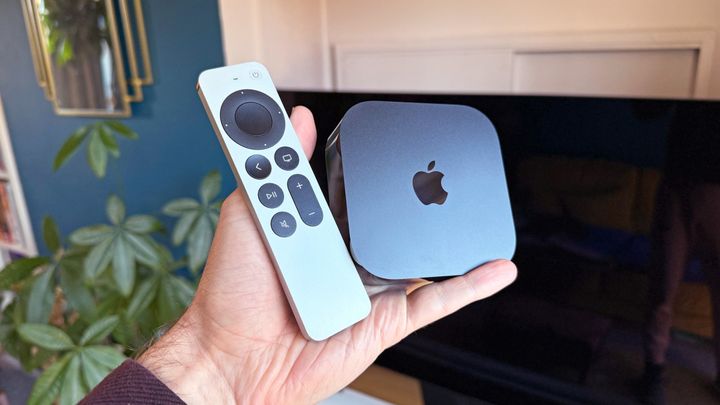
Reference-grade streaming performance held back by a steep price hike. Buy the Apple TV 4K (4th Gen) if you want the cleanest, ad-free TV operating system, class-leading upscaling, and seamless integration with Apple hardware. Its biggest strengths are reference-level picture processing, snappy navigation powered by the A19 chip, and a new Find My remote with an onboard speaker. The primary catch is the steep $299 launch price, which more than doubles the cost of its predecessor. Compared to rivals like the Google TV Streamer and Amazon Fire TV Cube, it delivers far superior AV refinement and privacy, but at more than twice the price.