Headphones & audio / Review roundup
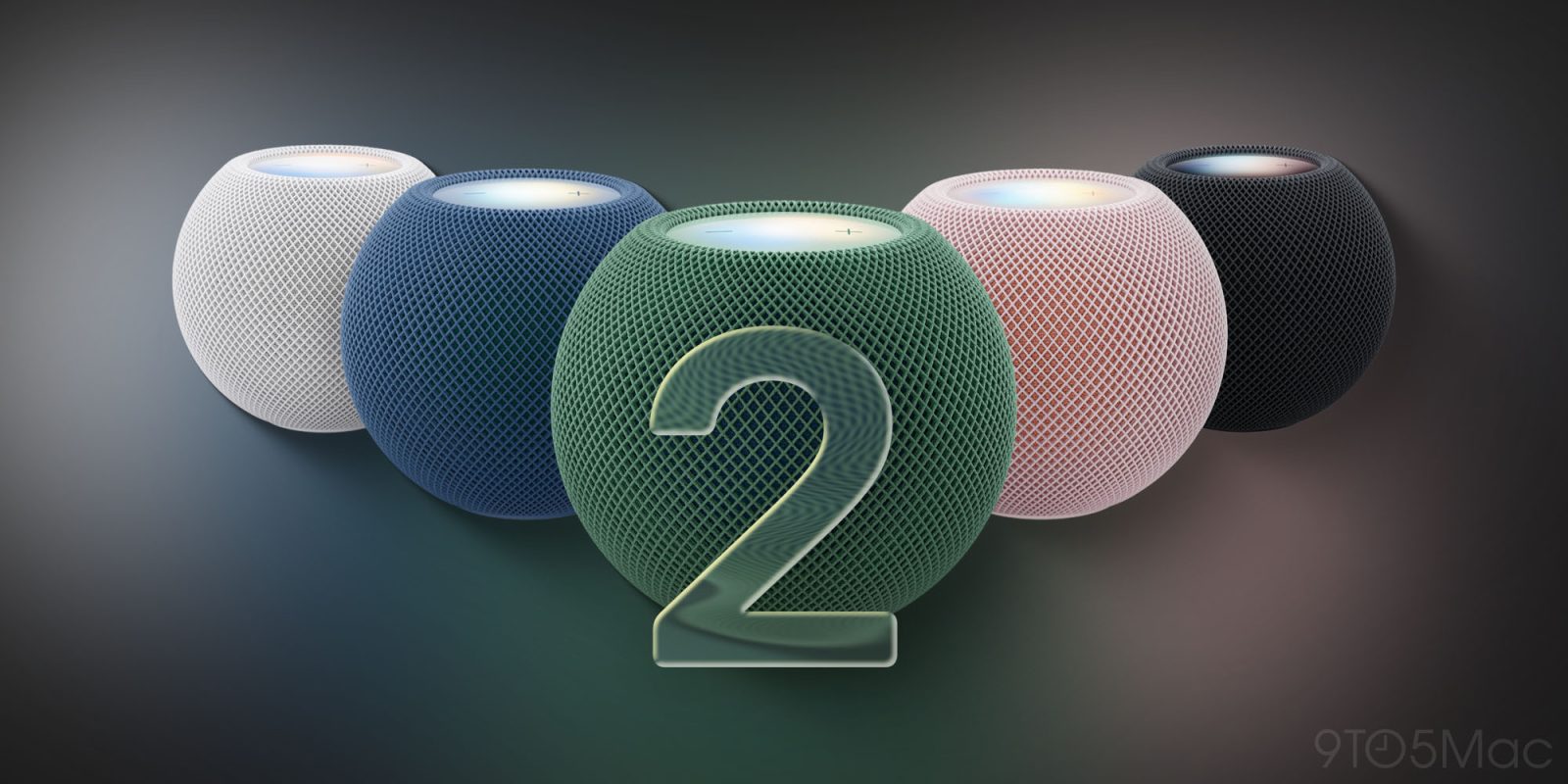
HomePod mini
HomePod mini
- 5/5What Hi-Fi?
- 4.0/5PCMag
- 6.8/10SoundGuys
Remarkably punchy audio in a pint-sized sphere, provided you live entirely within Apple's ecosystem.
The Apple HomePod mini is the best compact smart speaker for iPhone owners seeking an unobtrusive audio hub for desks, kitchens, or nightstands. Its standout strength is surprisingly rich, well-balanced sound with articulate vocals and respectable bass presence that defies its 3.3-inch stature. The primary limitation is strict ecosystem lock-in: there is no auxiliary input, no standard Bluetooth streaming, and setup strictly requires an iOS device. While the larger Amazon Echo delivers fuller deep bass and louder maximum volume, the mini offers superior vocal refinement and effortless integration for Apple households.
Buy it if
- iPhone and iPad users who want an easy, compact smart speaker
- HomeKit smart home setups requiring a Thread border router
- Desks, bedside tables, and small rooms needing clear, balanced sound
Skip it if
- You use Android phones or need cross-platform Bluetooth audio streaming
- You want a portable, battery-powered speaker for outdoor or cordless use
- You need room-shaking sub-bass for large living spaces
Where to buy
We may earn a commission from purchases or qualifying sign-ups through our links. Affiliate links explained
What reviewers liked
- Remarkably clear, balanced audio with 360-degree dispersion for its compact size
- Seamless music handoff with iPhones via the integrated U1 Ultra Wideband chip
- Serves as an Apple HomeKit and Matter hub with built-in Thread support
- Built-in temperature and humidity sensors for smart home automation
What they didn’t
- Strictly tethered to the Apple ecosystem with no Android setup support
- Cannot function as an open Bluetooth audio sink or take 3.5mm line-in inputs
- No custom equalizer controls beyond a basic bass-reduction toggle
Key specs
- Launch price
- $99
- Reported price
- $99 to $129
- Acoustic Hardware
- Single downward-firing full-range driver, dual passive radiators, 360-degree waveguide
- Dimensions
- 3.3 x 3.9 inches (84.3 x 97.9 mm)
- Weight
- 345 g (0.76 lbs)
- Processor
- Apple S5
- Connectivity
- Wi-Fi (802.11n), Bluetooth 5.0, Thread, U1 Ultra Wideband
- Smart Features
- Apple Siri, HomeKit/Matter hub, temperature and humidity sensors
- Power Source
- Integrated braided USB-C cable (requires 20W power adapter)
In depth
Sound quality
Reviewers broadly agree that the HomePod mini outperforms its compact 3.3-inch form factor. What Hi-Fi? praised the speaker for its bold, authoritative sound and mature tonal organization, highlighting its cohesive low-end response and mid-range clarity. Engadget and CNET observed that vocal projection is clean and instrumentation remains distinct, avoiding the muffled sound typical of entry-level puck speakers. However, physics still limits overall output. Both PCMag and The Verge noted that larger similarly priced speakers like the Amazon Echo and Google Nest Audio produce substantially more bass weight and higher volume headroom. RTINGS and SoundGuys also recorded noticeable compression and treble edge near maximum volume.
Call quality and microphones
Apple outfitted the HomePod mini with a four-microphone array: three outward-facing mics configured to pick up 'Hey Siri' voice commands and a fourth inward-facing mic designed to isolate audio coming from the speaker driver. PCMag and Engadget found that the microphones reliably detect voice inputs across a busy room even while music is actively playing. When used as a speakerphone by transferring phone calls from an iPhone via AirPlay, callers reported intelligible vocal clarity and effective acoustic echo cancellation, though the speaker does not place independent phone calls without an iPhone on the local network.
Features: app, EQ, multipoint, codecs
Control of the HomePod mini takes place within Apple's Home app rather than a standalone audio utility, which several reviewers found bare-bones. There are no multi-band EQ adjustments available; users only have access to a single 'Reduce Bass' switch. Connectivity relies on AirPlay 2, with support for Apple Lossless streaming up to 24-bit/48kHz, but the speaker lacks standard Bluetooth audio pairing for non-Apple hardware and offers no auxiliary input. Notable smart perks include proximity audio handoff powered by the U1 Ultra Wideband chip, stereo pairing with a second mini, acting as a Matter and Thread border router, and dormant temperature and humidity sensors activated in software for room automation.
Battery life
The HomePod mini has no internal battery and is strictly mains-powered. It comes fitted with an integrated, non-detachable braided power cord terminating in a USB-C connector, and Apple supplies a 20W USB-C wall plug in the box. While some users adapt it with third-party battery bases or high-output portable power banks, it is built and tuned strictly as a stationary indoor smart speaker.
Price
The HomePod mini launched at $99. While Apple adjusted pricing upward to around $129 in select retail channels and regions later in its lifecycle, it frequently retails between $99 and $129. Reviewers emphasize that within Apple's ecosystem, it represents the most cost-effective way to deploy Siri voice control, HomeKit hubs, and multiroom audio throughout a home.
Is it worth the money?
The speaker delivers strong value for Apple households seeking multiroom audio or a Thread hub, though general buyers can get fuller acoustics from larger Echo or Nest units at similar prices.
Also consider
- Amazon Echo (4th Gen)
Offers deeper bass and louder volume for around the same price, with broader compatibility across non-Apple devices.
- Apple HomePod (2nd Gen)
Provides much larger, room-filling sound, automatic room sensing, and Spatial Audio if budget permits.
- Sonos Era 100
Delivers superior acoustic performance, AirPlay 2 support, and standard Bluetooth input, but at a significantly higher cost.
Reviews we read
This roundup summarizes professional reviews and published specifications; Next Interrupt did not test the product. Roundup updated November 6, 2026. How we work
- What Hi-Fi? — Apple HomePod Mini review
- PCMag — Apple HomePod mini Review
- SoundGuys — Apple’s new HomePod mini 2 isn’t very smart (yet)