Processors
CPU only. Add motherboard, memory and cooling costs when comparing complete builds.
BUYING GUIDE · RECOMMENDATIONS REVIEWED
Plan the whole platform: processor, motherboard, memory, cooling and power supply.
We summarize professional reviews; we don't test products ourselves. We may earn a commission from purchases or qualifying sign-ups through our links. Affiliate links explained How we work
Selections reflect the use cases below. The number of coverage links does not determine the picks; current prices can change the value case.
The 9850X3D is only a little faster in the reviewed gaming suites, while the 9800X3D uses less power. For a new build, a useful saving here can go toward the graphics card or storage. Existing 9800X3D owners have little reason to replace it for such a small gaming improvement.
Price check: Compare the total motherboard, memory and cooling cost. Prefer the saving over a 9850X3D if it helps the rest of your build.
Also compare Ryzen 7 9850X3D →
Compromise: The 9850X3D can be a little faster
Pure gaming buyers should compare the 9800X3D and 9850X3D before paying for sixteen cores.
Price check: Compare the exact configuration and total cost, including any accessories or subscription. Retailer links do not establish a current price or discount.
Also compare Ryzen 7 9800X3D →
Compromise: Premium platform cost; Scheduler and driver setup matter
Compare discounted older Zen 4 chips and X3D models rather than assuming newer automatically means better value.
Price check: Compare the exact configuration and total cost, including any accessories or subscription. Retailer links do not establish a current price or discount.
Also compare Ryzen 7 9800X3D →
Compromise: Modest launch gaming uplift; No bundled cooler
These are spending limits for each product type, not quoted prices or a reason to pay more. Available offers determine which models fit. Amounts are in USD, before tax and shipping.
CPU only. Add motherboard, memory and cooling costs when comparing complete builds.
Compare your own workload: high-refresh gaming, compilation and rendering reward different strengths.
Price the motherboard, memory and cooling together. Check socket support, BIOS requirements and available expansion slots.
Look at measured system power, temperatures and noise under load. A headline power rating alone does not tell you how the finished PC will behave.
Ask yourself: Would the same money improve my experience more if it went to the GPU, memory or storage?
An alphabetical directory of reviewed models, including specialist and older alternatives. Inclusion is not a recommendation for every buyer.
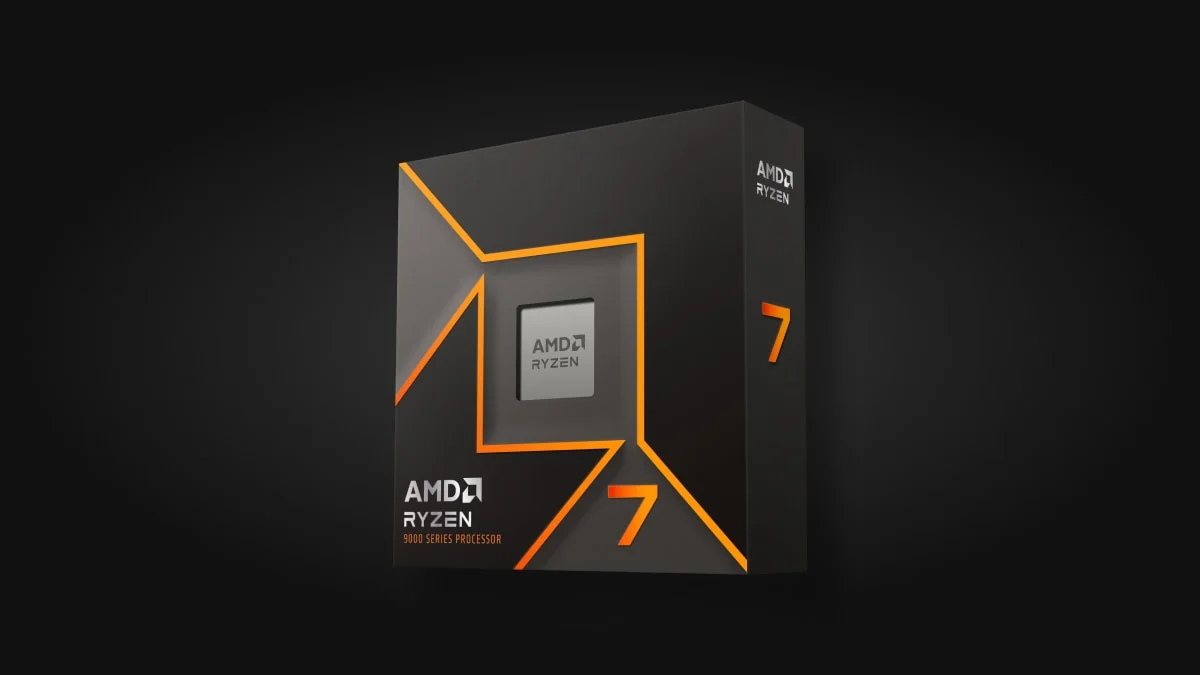
AM5 eight-core desktop processor; standard 65W profile
Compare discounted older Zen 4 chips and X3D models rather than assuming newer automatically means better value.
2 published review links
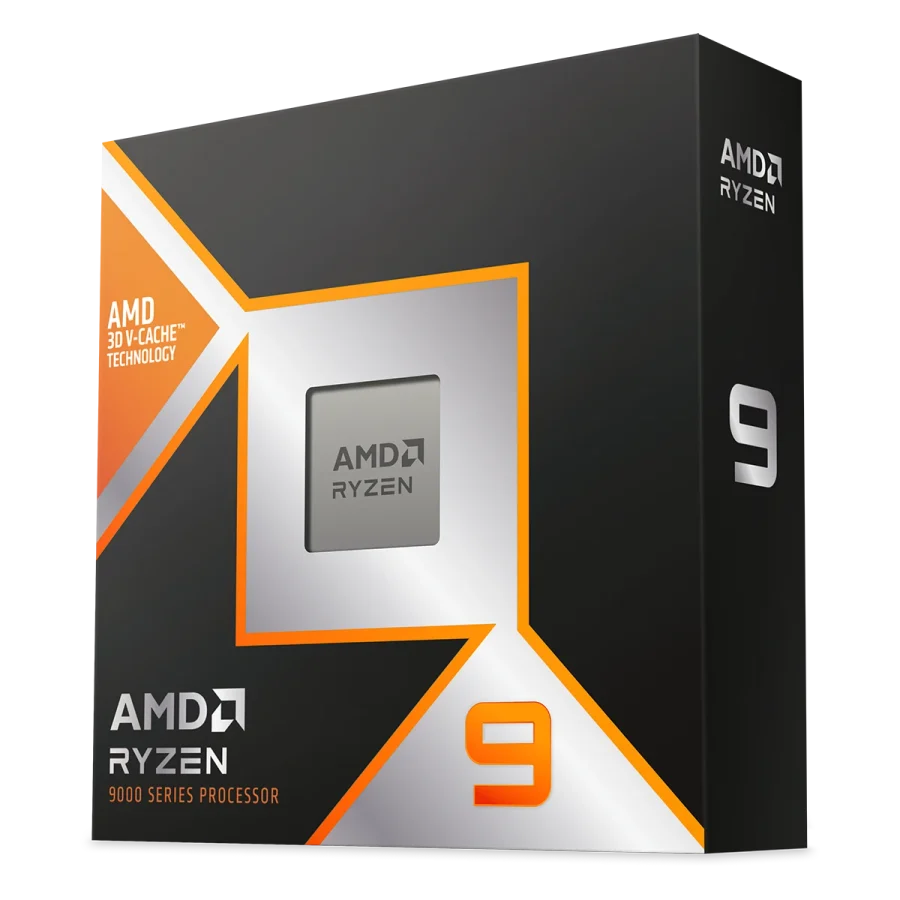
AM5 desktop processor; not 9950X3D2 Dual Edition
Pure gaming buyers should compare the 9800X3D and 9850X3D before paying for sixteen cores.
2 published review links
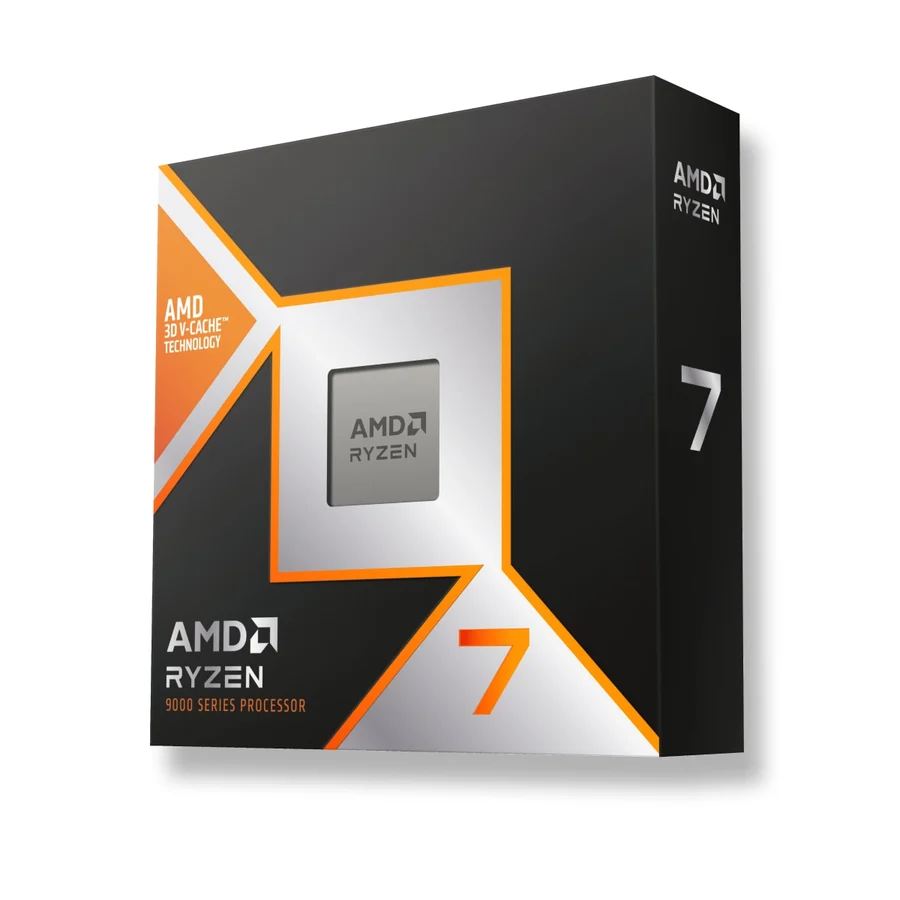
Desktop AM5 processor
The sensible choice when the newer chip costs more. The 9850X3D is only a little faster in the reviewed gaming suites, while the 9800X3D uses less power. For a new build, a useful saving here can go toward the graphics card or storage. Existing 9800X3D owners have little reason to replace it for such a small gaming improvement.
4 published review links
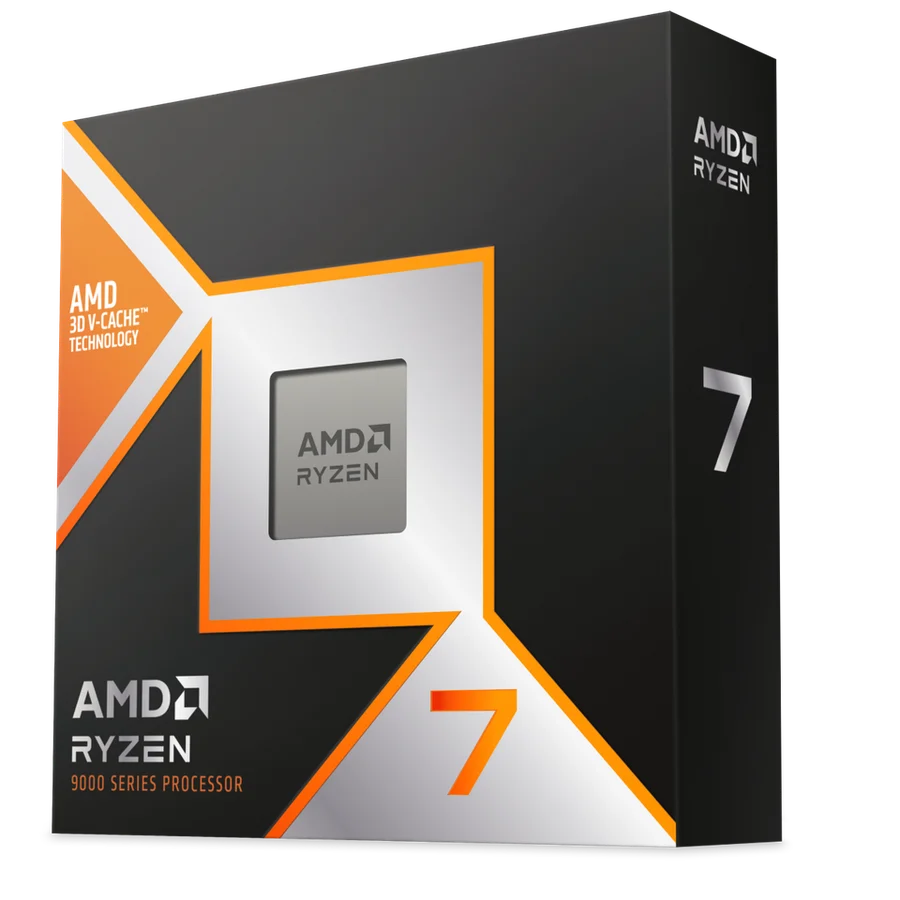
Desktop AM5 processor; separate from 9800X3D
A small finishing touch for a high-end gaming PC. This is a modest improvement on the 9800X3D, not a reason to rebuild a good gaming system. It makes sense in a new PC when the premium is small and peak CPU-limited performance matters. At higher resolutions, the graphics card often limits performance before that extra CPU speed can help.
4 published review links

Ryzen AI Halo Developer Platform
A 128 GB unified-memory mini PC that runs massive local AI models at a fraction of enterprise hardware pricing. The AMD Ryzen AI Halo Developer Platform is tailored for AI researchers and engineers who need to run expansive language models locally without cloud subscriptions. Its standout capability is 128 GB of unified LPDDR5X memory, enabling the system to host models that crash high-end consumer GPUs. The trade-off is modest raw processing throughput; desktop graphics cards like the GeForce RTX 5090 process tokens far faster whenever models fit inside 32 GB. Compared to the $7,000 NVIDIA DGX Spark, the $4,000 AMD system delivers a much more accessible entry into local high-capacity AI.
1 published review link
9850X3D + 9070 XT
High-end 1440p and 4K gaming performance at fair prebuilt pricing, marred only by noisy stock fan curves. The PCSpecialist Cruiser Gallant pairs AMD's Ryzen 7 9850X3D processor with the Sapphire Pulse Radeon RX 9070 XT inside a tidy Corsair chassis. Its standout strength is strong 1440p and capable 4K gaming performance at a price that closely matches assembling the components yourself. The primary catch is an overly aggressive default fan curve that makes the machine loud under load until adjusted in the BIOS. Enthusiasts seeking next-day delivery and solid AM5 gaming without assembly hassle will find it compelling against rivals like the Scan 3XS.
1 published review link
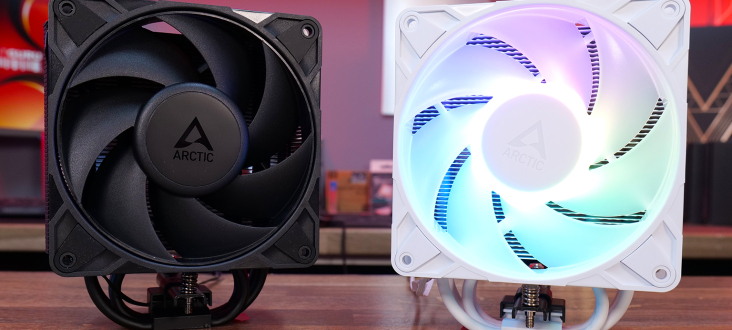
Freezer 36-S A-RGB
A compact budget cooler with surprisingly potent heat dissipation that gets loud at full throttle. The Arctic Freezer 36-S A-RGB is built for budget-conscious PC builders who want capable cooling and tasteful lighting without blocking motherboard slots. Its standout strength is thermal dissipation that rivals larger heatsinks at moderate noise levels, aided by an included Intel contact frame and Arctic MX-7 thermal paste. The main catch is noise at maximum fan speed, where the 3,000 RPM impeller exceeds 47 dBA. While dual-tower alternatives like the Thermalright Peerless Assassin 120 SE run quieter under heavy CPU loads for similar money, the Freezer 36-S A-RGB is a compelling option for compact mid-range gaming builds.
1 published review link

ASRock B860 Challenger Wi-Fi
A budget LGA 1851 board with PCIe 5.0 and Wi-Fi 7 that trims costs on rear USB speeds and audio. The ASRock B860 Challenger Wi-Fi is ideal for builders who want to assemble an Intel Core Ultra 200S system on a tight budget without losing essential modern connectivity. Its biggest strength is offering dedicated PCIe 5.0 GPU and SSD slots alongside Wi-Fi 7 for around $130 without lane-sharing compromises. The key catch is that all external USB ports top out at 5 Gbps, paired with an entry-level Realtek ALC897 audio chip and no CPU overclocking support. Compared to the $230 MSI MAG B860 Tomahawk WiFi, it omits 20 Gbps USB and 5GbE networking, but frees up nearly $100 to put toward a faster GPU or CPU.
1 published review link
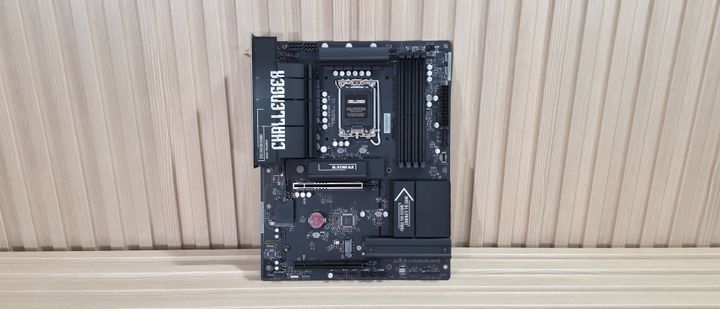
ASRock B860 Challenger Wifi
A capable entry-level ATX board with PCIe 5.0 and Wi-Fi 7, held back by 5 Gbps USB limits. The ASRock B860 Challenger Wifi is built for budget-conscious builders assembling an Intel Core Ultra system without paying for excess cosmetic features. Its primary advantage is delivering platform essentials—including a PCIe 5.0 graphics slot, a PCIe 5.0 M.2 slot, and Wi-Fi 7—at an entry price around $130 to $150 with zero lane sharing. The main catch is heavy cost-cutting on peripheral connectivity, capping all USB ports and headers at just 5 Gbps while using an entry-level audio codec. Compared to close rivals like ASRock's own B860 Steel Legend or Gigabyte's B860 Gaming X, which add 10 Gbps or 20 Gbps USB ports for $10 to $20 more, the Challenger makes sense only for those watching every dollar.
1 published review link
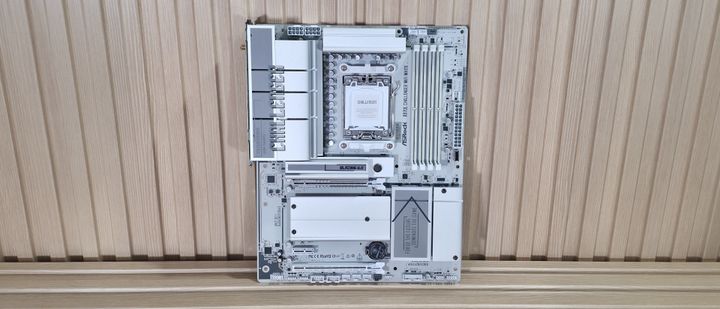
ASRock X870E Challenger Wifi White
A full-featured X870E motherboard that brings dual USB4 and 5 GbE networking to budget AM5 builds. The ASRock X870E Challenger Wifi White is an ideal foundation for builders assembling an AMD Ryzen 9000 system who want true X870E connectivity without spending flagship money. Its standout strength is an overbuilt 20-phase 110A VRM paired with dual 40 Gbps USB4 ports, 5 Gbps LAN, and premium ALC4082 audio. The primary trade-offs are a Wi-Fi 7 implementation capped at 160 MHz channels, just two SATA ports, and an aging UEFI BIOS interface. Compared to midrange rivals like the MSI MAG X870 Tomahawk WiFi, it offers better rear audio and dual-chipset lane bandwidth at a lower price point.
1 published review link

ASRock Z890 Taichi Aqua
A water-cooling-ready E-ATX board with 10GbE and ten rear USB-C ports that excels after steep discounts. The ASRock Z890 Taichi Aqua is built for custom liquid-cooling enthusiasts on Intel's LGA 1851 platform who want robust power delivery and fast connectivity without paying four figures. Its primary strength is an integrated Alphacool hybrid block that cools the massive 28-phase VRM and primary Gen 5 SSD, paired with 10GbE, Wi-Fi 7, and six M.2 sockets. The biggest catches are a polarizing rear panel completely devoid of USB Type-A ports and an aging, sluggish BIOS interface. Against rival flagships like the Gigabyte Z890 Aorus Master AI TOP, the Taichi Aqua provides lower temperatures for custom water loops at a significantly reduced street price.
1 published review link

ASUS ROG Maximus Z890 Apex
A premier two-slot motherboard for extreme DDR5 overclocking on Intel Core Ultra 200 processors. The ASUS ROG Maximus Z890 Apex is built for competitive overclockers and enthusiasts chasing extreme DDR5 memory frequencies on Intel LGA 1851 processors. Its two-DIMM topology and 22-phase 110A VRM deliver exceptional memory tuning headroom and chilly thermal performance under all-core workloads. However, the steep price tag, 96GB capacity ceiling, and GPU lane sharing when populating extra Gen 5 M.2 slots make it niche for mainstream builders. If you want a more versatile daily workstation board with four DIMMs, the ROG Maximus Z890 Hero or ASRock Z890 Taichi OCF offer stronger all-round value.
1 published review link

ASUS ROG Strix B850-A Gaming Wi-Fi7 Neo
A refined white AM5 motherboard with icy VRM thermals and 5 Gbps LAN at a premium price. The ASUS ROG Strix B850-A Gaming Wi-Fi7 Neo is an appealing mid-to-high-tier Socket AM5 motherboard built specifically for clean, all-white Ryzen 9000 gaming systems. Its standout strength is exceptional thermal efficiency, with TechPowerUp recording a peak VRM temperature of just 51°C under a sustained 30-minute stress test with an uncapped Ryzen 9 9950X. The primary catches are its steep $270 price tag, the omission of USB4, 12W-limited fan headers, and a reduction to only a single rear display output. While competitors like the ASRock B850 Steel Legend and ASUS TUF B850-Pro offer similar core gaming speeds for $50 to $100 less, the Strix Neo justifies its cost for buyers wanting polished white styling, tool-free convenience, and ASUS's intuitive UEFI.
1 published review link
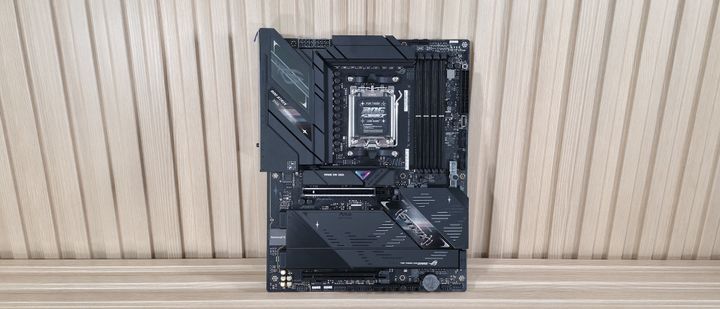
Asus ROG Strix B850-F Gaming Wifi Neo
A feature-rich AM5 refresh with great thermals, let down by a price tag that creeps into X870 territory. The Asus ROG Strix B850-F Gaming Wifi Neo is built for PC builders who want high-end ROG aesthetics, clean DIY tooling, and an external clock generator without stepping up to top-tier enthusiast boards. Its biggest strengths are excellent VRM thermal performance and thoughtful design touches like completely tool-free M.2 heatsinks and a 5 Gbps Ethernet port. The catch is a $320 launch price and the lack of native USB4, both of which make it hard to justify over entry-level X870 motherboards. For shoppers who do not require Strix styling, boards like the MSI MAG B850 Tomahawk offer similar core capabilities for roughly $90 less.
1 published review link

ASUS TUF Gaming B850I Wi-Fi Neo
A capable fanless AM5 Mini-ITX motherboard squeezed by budget-tier audio and stiff pricing. The ASUS TUF Gaming B850I Wi-Fi Neo is a stable, compact Socket AM5 motherboard built for small-form-factor PC builders who want PCIe 5.0 graphics, high-frequency DDR5 memory, and four fan headers without noisy VRM fans. However, at $260 to $270, ASUS made notable cost cuts, including entry-level ALC897 audio, Wi-Fi 6E instead of Wi-Fi 7, and only six rear USB ports. Unless you strictly prefer ASUS firmware and fan control, rival B850 Mini-ITX boards from ASRock and MSI offer better connectivity and cooling value for the money.
1 published review link

Gigabyte TRX50 AERO D
An accessible entry into AMD Threadripper with dual USB4 and extensive PCIe 5.0 connectivity. The Gigabyte TRX50 AERO D is the most cost-effective foundation for building an AMD Threadripper 7000 or 9000 series workstation. Its biggest strength is its consumer-friendly connectivity, pairing dual 40Gbps USB4 ports and 10GbE networking with ample PCIe 5.0 lanes for GPUs and NVMe drives. The main catch is the absence of an enterprise BMC for remote management and a purely passive VRM heatsink design that runs noticeably warm under heavy loads. Compared to the pricier Asus Pro WS TRX50-SAGE WIFI, the AERO D sacrifices active cooling and remote IPMI management to save roughly $300.
1 published review link

Gigabyte X870 Aorus Infinity
A dedicated memory-overclocking platform with exceptional thermal engineering that demands an extreme price premium. The Gigabyte X870 Aorus Infinity is tailored specifically for competitive benchmarkers and extreme overclockers intent on extracting every megatransfer out of DDR5 on AMD AM5. Its primary strengths are pristine memory signal routing and ultra-cool VRM thermals backed by dedicated on-board tuning hardware. However, a steep $799.99 price and the choice of a single-chip X870 hub create frustrating bandwidth sharing between M.2 storage and USB4. Dedicated overclocking competitors like the ASUS ROG Crosshair X870E Apex offer dual-chipset lane flexibility and deeper BIOS granularity for hundreds of dollars less.
4 published review links

Gigabyte Z890I Aorus Ultra
A quiet Mini-ITX Intel Z890 board with standout fanless thermals let down by entry-level audio and lean rear ports. The Gigabyte Z890I Aorus Ultra is built for small-form-factor PC builders who prioritize silence and reliable thermal headroom on Intel's Arrow Lake platform. Its biggest strength is a completely passive, fanless cooling system that manages to keep both the VRM and PCIe Gen 5 SSDs remarkably cool without miniature, noisy motherboard fans. The biggest catch is cost-cutting in baffling places, specifically an aging Realtek ALC897 audio codec, an internal USB-C header capped at 10 Gbps, and only five rear USB Type-A ports. While it substantially undercuts the $400-plus ASUS ROG Strix Z890-I, it faces tough competition from MSI's MPG Z890I Edge Ti, which provides four M.2 slots and superior connectivity around the same price.
1 published review link
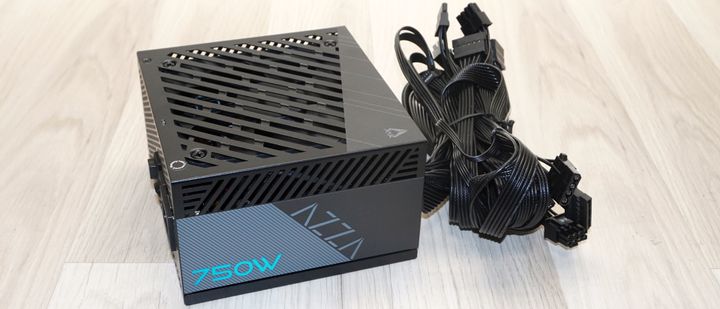
PSAZ-750G
A competent budget ATX 3.1 power supply compromised by a 450W GPU cap, cheap capacitors, and a two-year warranty. The AZZA PSAZ-750G is aimed at budget PC builders assembling mid-range systems who want native ATX 3.1 support on a strict budget. Its strongest asset is solid electrical regulation on the 12V rail and an effective semi-passive fan mode up to roughly 300W. However, the catch is significant: the advertised 80 PLUS Gold rating lacks an active official certification, internal capacitors are budget-grade Ltec parts, the native 12V-2x6 cable is capped at 450W, and the warranty lasts only two years. Compared to rivals like the Montech Century II and Thermalright TR-KG750, which offer 5- to 10-year warranties and higher component quality, the AZZA is a tough sell unless found on steep discount.
1 published review link
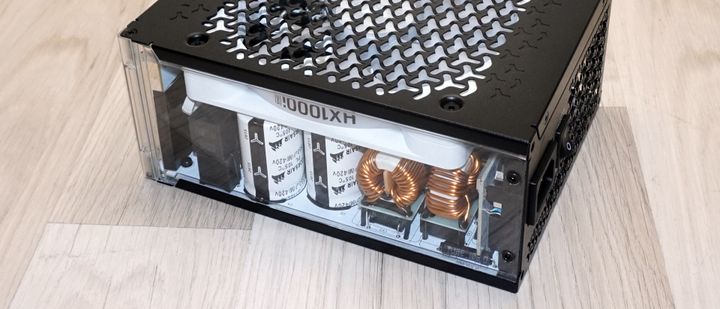
HX1000i Shift Crystal
A showcase see-through power supply with clever GPU safety let down by an outsized footprint and price. The Corsair HX1000i Shift Crystal is best suited for enthusiast builders creating panoramic showcase PCs who also use the Corsair iCUE ecosystem. Its standout strengths are its transparent three-sided design, an embedded iCUE LINK hub, and PinProtect+ technology that actively monitors individual 12V-2x6 pins to protect high-draw graphics cards. However, its 200 mm chassis length and side-facing modular connectors require careful case selection, and the fan ramps up audibly when pushed hard in warm environments. Compared to conventional high-end alternatives like the Seasonic Vertex PX-1000, it trades Japanese secondary capacitors and compact dimensions for showcase visuals and software telemetry.
1 published review link
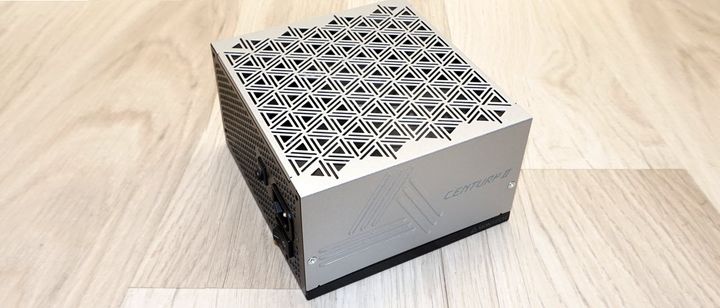
Montech Century II Gold 850W
An affordable ATX 3.1 power supply with Platinum efficiency, solid electrical delivery, and a budget internal design. The Montech Century II Gold 850W is an appealing pick for PC builders putting together a modern midrange system around an upper-tier graphics card. Its primary strength is exceptional efficiency for the money, achieving Cybenetics Platinum performance and native 600W 12V-2x6 power delivery at an accessible $90 price point backed by a 10-year warranty. The main compromise lies in the internal bill of materials, where OEM Shenzhen Xinweiye relies on lesser-known Chinese MOSFETs and second-tier secondary capacitors. Compared to established alternatives like the Corsair RM850e, it trades a slightly longer footprint and lesser-known OEM pedigree for higher efficiency and a longer warranty.
1 published review link
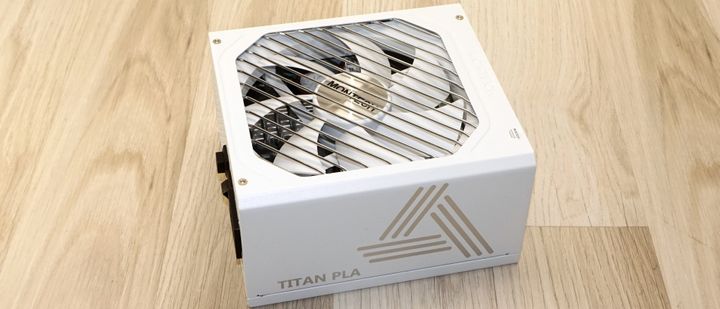
Montech Titan PLA 750W
Seasonic build quality and whisper-quiet Platinum efficiency packaged in a premium all-white chassis. The Montech Titan PLA 750W is an outstanding power supply for builders assembling a clean, mid-to-high-tier all-white PC. Its greatest asset is its Seasonic-manufactured platform, which delivers tight voltage regulation, low ripple suppression, and near-silent Cybenetics A+ acoustic performance. The main drawback is its $160 list price, which places it close to reputable 850W and 1000W alternatives. Compared to rivals like the Corsair RM750x, the Titan PLA offers higher Platinum efficiency, native ATX 3.1 and PCIe 5.1 compliance, and a fully coordinated white finish that justifies buying it whenever discounts appear.
1 published review link
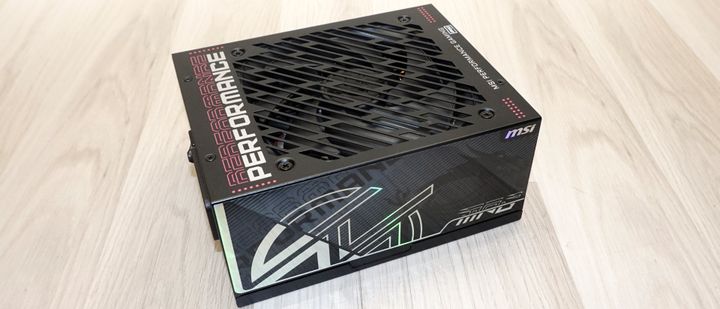
MSI MPG Ai1600TS PCIE5
Titanium efficiency and proactive 12V-2x6 connector safety at an uncompromising price. The MSI MPG Ai1600TS PCIE5 is built for extreme enthusiast systems and multi-GPU workstations running the most demanding modern graphics cards. Its standout engineering feat is GPU Safeguard+, which uses an onboard microcontroller to monitor per-pin current across dual 12V-2x6 cables and safely throttles GPU power in MSI Afterburner before connector damage can occur. The primary drawback is its $499.99 price, paired with a massive 190 mm chassis that requires substantial case clearance. Compared to legacy flagships like the Corsair AX1600i or Seasonic Prime TX-1600, it trades class-leading ripple suppression for modern ATX 3.1 excursion handling and unparalleled active connector telemetry.
1 published review link
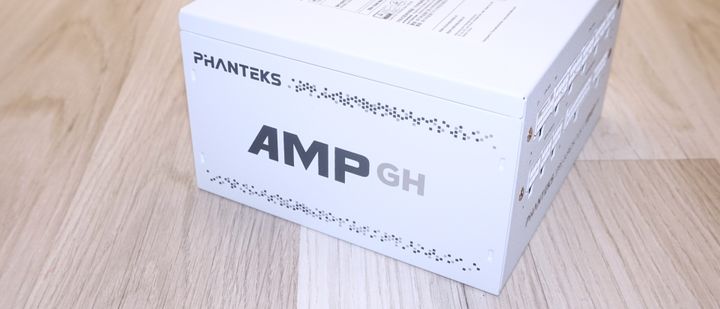
white version
A compact, well-regulated ATX 3.1 white power supply with a 450W GPU cable limit. The Phanteks AMP GH 750W White is well suited for builders assembling an all-white mid-tier gaming rig who want modern ATX 3.1 compliance without paying a premium. Its strongest assets are tight 12V voltage regulation, low ripple suppression, Japanese capacitors, and an appealing satin snow-white finish with matching individually textured cables. The primary catch is that its native 12V-2x6 connector is restricted to 450W rather than the full 600W rating. Compared to rivals like the be quiet! Pure Power 12 M 750W, the Phanteks provides a shorter 140 mm depth and a more complete white aesthetic bundle, though it settles for an 8-year warranty instead of 10 years.
1 published review link
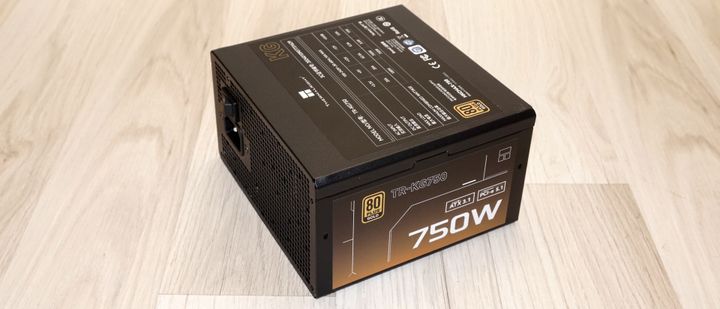
TR-KG750
Thermalright TR-KG750 review roundup: Budget ATX 3.1 power with loud acoustic compromises. The Thermalright TR-KG750 is aimed at budget PC builders seeking modern ATX 3.1 specifications and a native 12V-2x6 cable without spending over $100. Its biggest asset is delivering a full 750W modular platform with tight 1.8% voltage regulation at an aggressive $91 price point. The significant catch is its continuous, loud sleeve-bearing fan, which reached 50.8 dB(A) at room temperature and 58 dB(A) in hot-box testing where internal heatsinks topped 100°C. Compared to alternatives like the Montech Century II Gold 850W and Phanteks AMP GH 750W, the TR-KG750 makes deeper component and acoustic sacrifices to hit its price tag.
1 published review link

BXL54860DW1-D28FB
1 published review link


FFXD532G6400HC32ADC01
A finely tuned DDR5 kit delivering top-tier AM5 and Intel gaming frame rates in a heavy, tall heatsink. The Team Group T-Force XTREEM DDR5-6400 CL32 is an enthusiast memory kit built for shoppers seeking the sweet spot for AMD AM5 and modern Intel platforms. Its biggest strength is out-of-the-box tuning, combining SK Hynix A-die silicon with dual XMP 3.0 and EXPO profiles that run at 6400 MT/s with tight 32-39-39-84 timings at 1.35 V. The main catch is its chunky 47.5 mm physical height, which can block large dual-tower air CPU coolers, alongside an underwhelming secondary DDR5-6000 fallback profile. Compared to mainstream DDR5-6000 CL30 kits like G.Skill Flare X5, it delivers modest extra bandwidth and identical 1:1 stability without requiring extreme voltages.
1 published review link
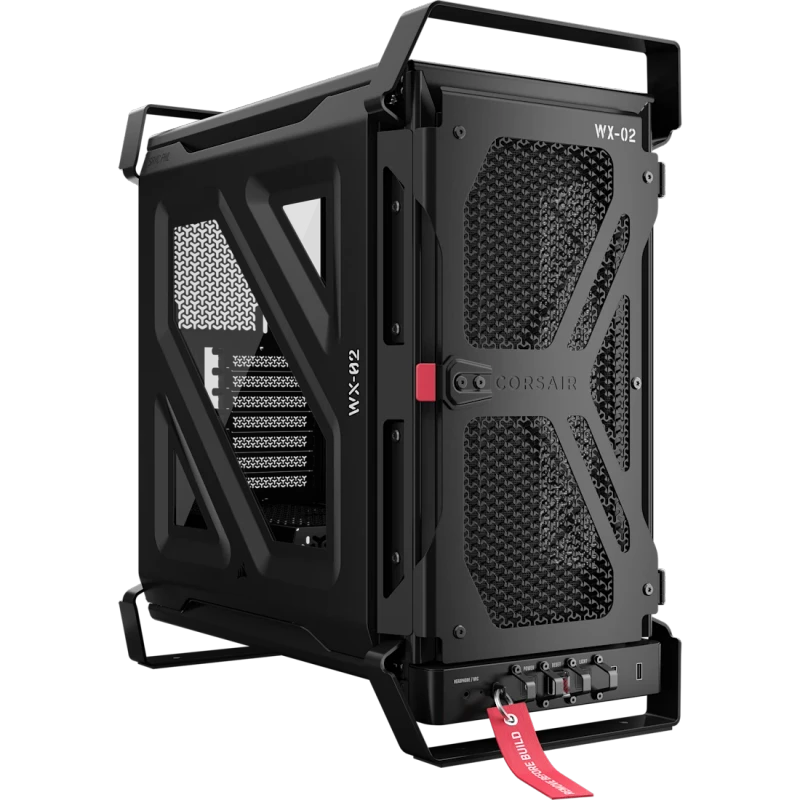
RS variant with 2x 200mm intake fans and 1x 120mm exhaust fan
A rugged military throwback chassis with dual 200mm fans let down by middling GPU thermals and a high price. The Corsair WARTHOG RS is built for PC builders who crave heavy-duty, military-inspired aesthetics and miss the chunky, handle-equipped LAN cases of the past. Its standout strength is its rock-solid steel construction, featuring nostalgic fighter-jet toggle switches, illuminated rear I/O, and convenient grab handles built directly into the frame. However, despite packing twin 200mm front fans, thermal performance on graphics cards is surprisingly pedestrian, running notably warmer under load than dedicated high-airflow rivals. While competing cases like the Cooler Master HAF II 500 and Fractal Torrent offer superior GPU cooling and acoustic efficiency for similar money, the WARTHOG RS remains an appealing, personality-packed choice if its tactical styling speaks to you.
1 published review link
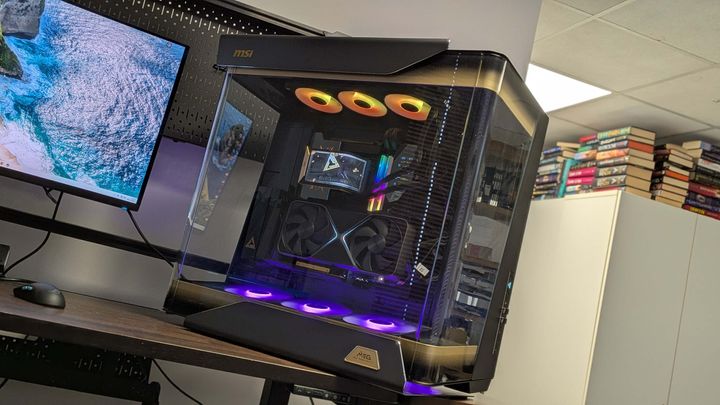
MSI Maestro 900R
A dramatic showcase full-tower hindered by immense weight, awkward internal cabling, and a staggering price. The MSI MEG Maestro 900R is aimed squarely at deep-pocketed enthusiasts seeking a dramatic centerpiece for an ultra-high-end custom loop or showcase build. Its greatest asset is presentation: three seamless tempered-glass panels wrap around a centered, four-way rotatable motherboard tray that detaches to function as a standalone test bench. The primary catch is practical usability, as routing display and rear I/O cables through the cramped internal channels is tedious, and its 33-kilogram unbuilt weight requires two people to move safely. Compared to rival showcase chassis like the Lian Li O11 Dynamic EVO XL or Cooler Master Cosmos Alpha, the Maestro 900R offers unmatched modular versatility, but demands more space, patience, and money than most PC builders can reasonably justify.
1 published review link
Reviews, comparisons and hands-on reports from tech publishers.