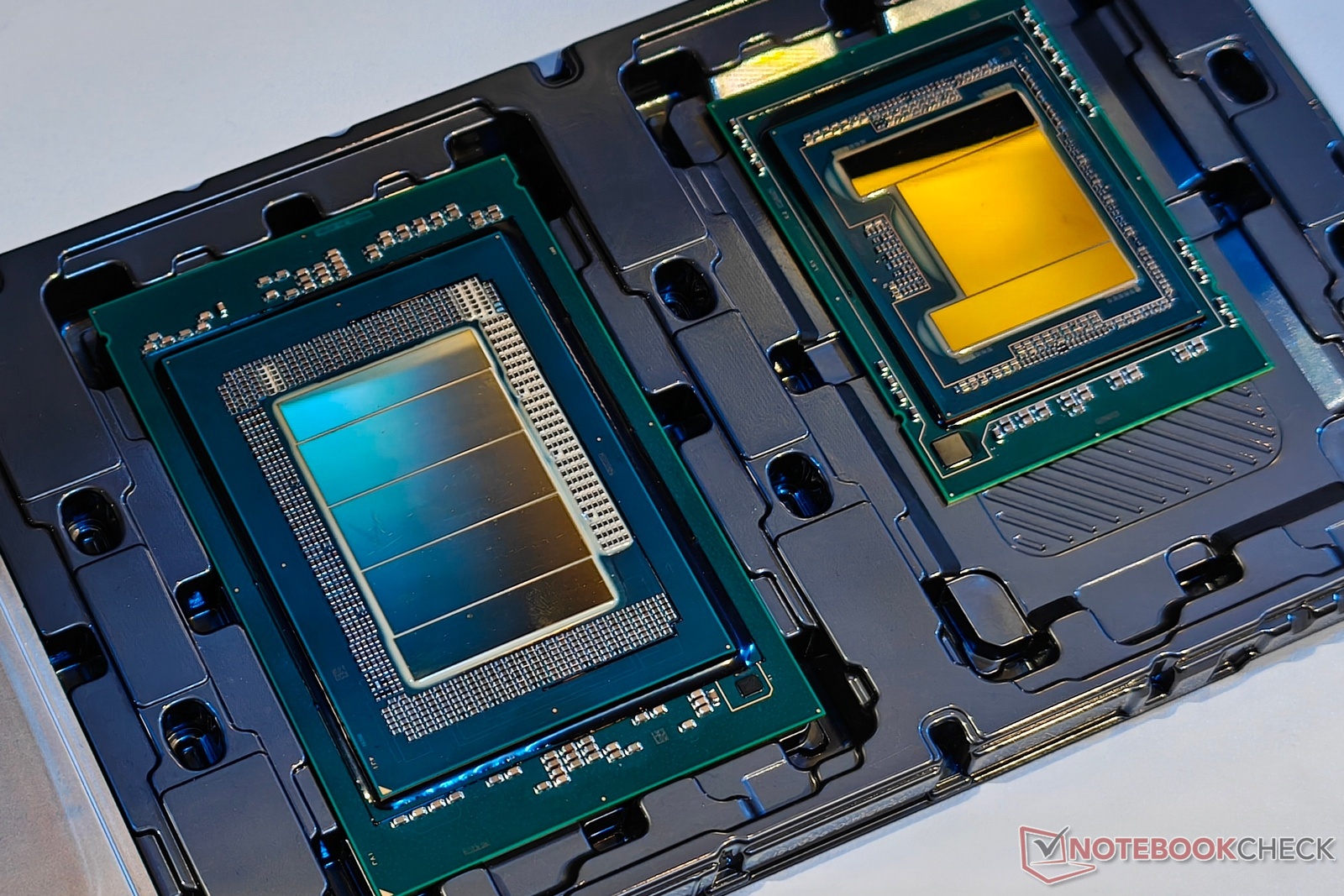
Intel is reallocating manufacturing capacity away from consumer PC processors to focus on server chips, responding to surging demand for artificial intelligence hardware. Chief executive Lip-Bu Tan described the crunch as one of the most significant supply shortages in history. The company's Data Center and AI division posted $7.3 billion in revenue for the third quarter of 2026, marking a 17% sequential increase and a nearly 80% jump compared to the previous year. Intel expects client PC demand to keep falling, while demand for data center processors is projected to stay strong through 2027 and 2028. [1][2]
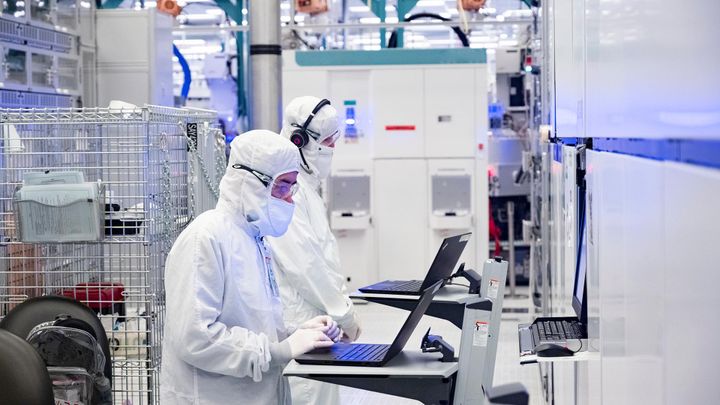
To boost output, Intel is prioritizing its Intel 3-based Xeon 6 Granite Rapids processors. The company is converting Oregon manufacturing lines originally slated for Panther Lake PC chips on the Intel 18A process over to Intel 3, which is expected to enter production in the second half of 2027. Intel is also expanding Fab 24 in Ireland, accelerating tool installation at Fab 62 in Arizona, and boosting advanced packaging operations in New Mexico and Malaysia. Bottlenecks extend beyond wafer fabrication, as Intel faces shortages of advanced packaging substrates, though it expects roughly 40% more substrate capacity to arrive in the second half of 2027. [1][2]
Intel plans roughly $20 billion in capital expenditures for 2026, with spending projected to increase significantly in 2027. However, the company cautioned that supply shortages will remain especially severe through the first half of 2027 while new equipment and substrate supplies ramp up, anticipating meaningful relief only in the latter half of that year. [1][2]