
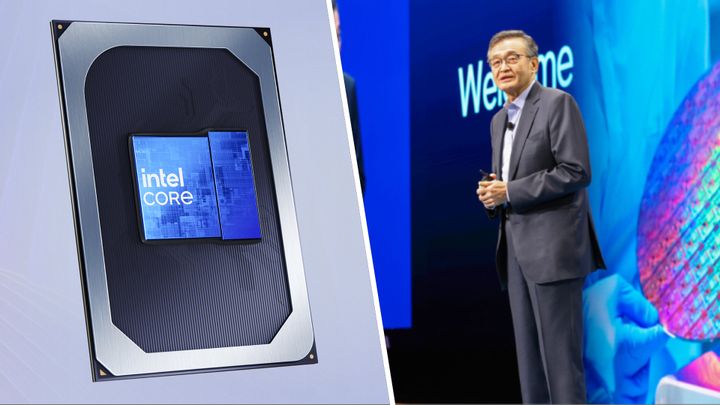
Intel shifts Panther Lake capacity to data center chips while the memory crisis wreaks havoc on PC market; still sold out of budget Wildcat Lake chips
"The next few quarters will be challenging for the PC market," says CEO Tan.
via PC GamerReported by 2 outlets
The story so far
AI summary of the reporting below · Updated · How we work
Intel plans to reallocate manufacturing capacity from its consumer Panther Lake processors to data center products as a severe memory crisis depresses computer sales. Speaking on the company's latest earnings call, Chief Executive Officer Lip-Bu Tan warned that the PC market faces challenging quarters ahead, prompting the company to shift 18A node wafer production toward enterprise hardware. Intel's stock fell 23% in after-hours trading following the announcement. [1]
While overall PC demand has slumped, Intel reported surging interest in its cheaper hardware. Chief Financial Officer David Zinsner stated that Wildcat Lake, the company's cost-optimized client CPU on the 18A process, saw units jump by approximately 70% sequentially and is currently sold out. Zinsner noted that production remains hampered by shortages on the substrate side as well as fab capacity. The budget chips have appeared in entry-level Windows notebooks such as Dell's XPS 13 and HP's Omnibook 5 14. [1][2]
The persistent memory crunch continues to push up retail computer prices and suppress shipments. Intel projects that its internal CCPG group covering gaming chips could see a sequential decline greater than 20% as manufacturers trim inventories and scale back orders heading into the new year. [1][2]
"The next few quarters will be challenging for the PC market," says CEO Tan.
via PC Gamer
During Intel's latest earnings call, CEO Lip-Bu Tan said that demand for its budget-focused Wildcat Lake chips "is outstripping supply." According to CFO David Zinsner, the chips are now sold out. Zinsner said Intel has "seen significant growth in Wildcat Lake. It's coming exactly at the right time because it's cost-optimized and we're seeing a…
via The Verge