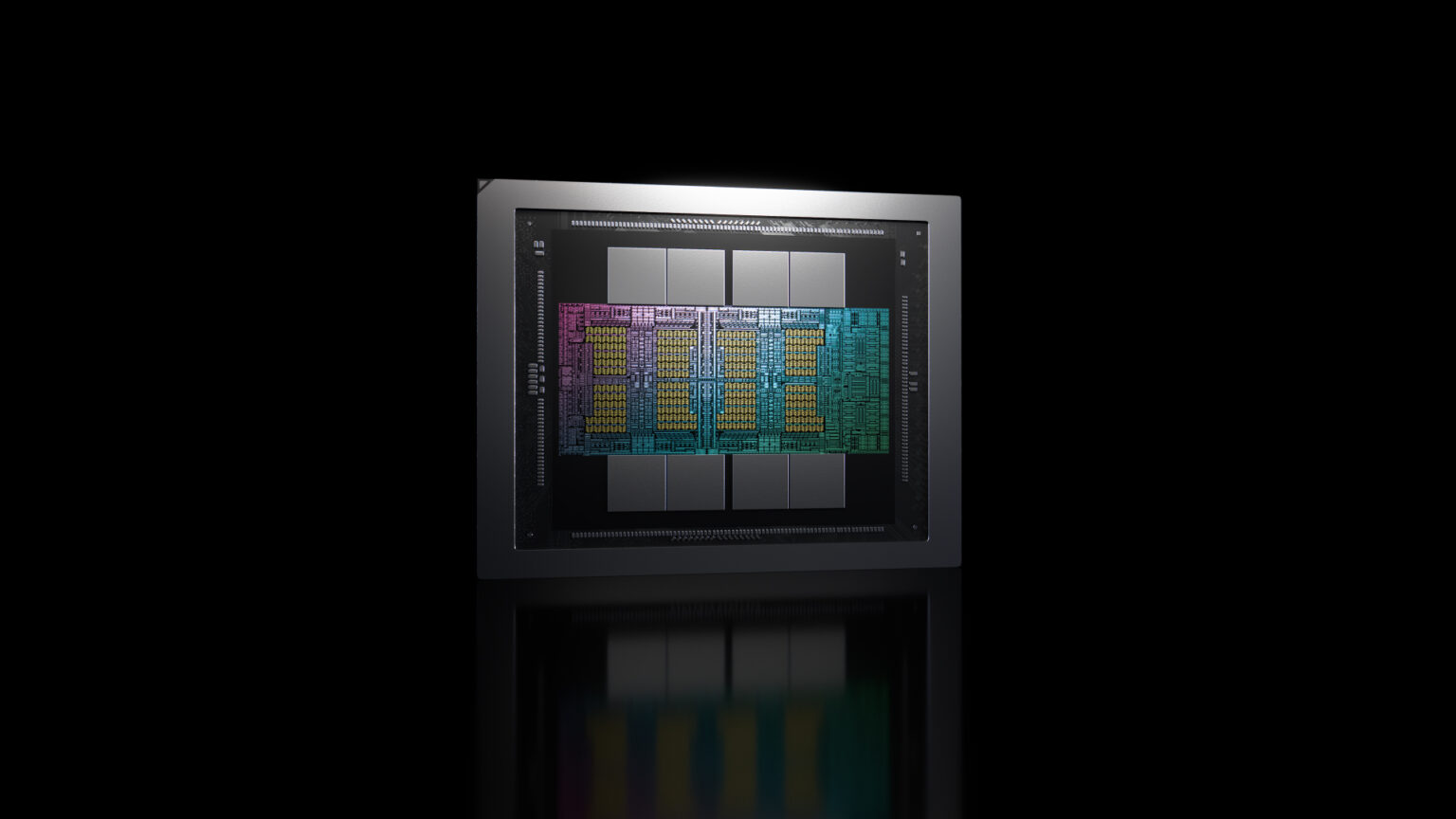
Nvidia unveiled its upcoming Rubin HPC processor at the SC26 supercomputing conference, announcing that the single-chip GPU will contain more than 50,000 CUDA cores. The chip is scheduled for release in 2028, arriving roughly two years after the standard Rubin generation. [1][3][5][6]
The processor is specifically tailored for general-purpose scientific computing and agentic workflows rather than purely artificial intelligence training. Nvidia says Rubin HPC includes sparse data acceleration to feed compute units efficiently, supports precisions from FP64 to FP4, and claims it will triple simulation and analytics performance. [3][4][6]
Ian Buck, Nvidia's vice president of hyperscale and high-performance computing, said faster simulations will allow autonomous agents to accelerate discoveries across climate modeling, genomics, materials science, and financial analytics. The announcement arrives alongside competing efforts in the high-performance computing market, where Intel is showcasing its FP64-capable GPU D270 for simulation workloads at the same event. [3][4][6]