Laptops & desktops / Review roundup
Apple MacBook Pro 14 M5
2025 base M5, 16GB / 512GB; review samples also use higher memory and storage
- 4.5 / 5Tom's Guide
- 91%Notebookcheck
- 4.5 / 5Tom's Hardware
Class-leading single-core speed, an exceptional Mini-LED display, and 18-hour endurance in a familiar chassis
The 14-inch MacBook Pro with the M5 chip is an ideal workstation laptop for students, creative specialists, and mobile software developers who require substantial processing muscle without moving up to larger chassis sizes. Its biggest strengths are record-setting single-core responsiveness, blazing SSD speeds, and class-leading battery life. The main catch is that internal hardware cannot be upgraded after purchase, and upgrading storage or memory at checkout remains expensive. Compared to Windows rivals like the Dell 14 Premium, it runs substantially cooler and lasts twice as long on a single charge.
Buy it if
- Software engineers and creative professionals who need sustained portable performance
- Users upgrading from Intel-based Macs or early M1 and M2 Apple Silicon systems
- Commuters and travelers who require genuine all-day battery life away from an outlet
Skip it if
- You already own a MacBook Pro powered by an M4 series chip
- You require user-serviceable memory and storage upgrades after purchase
- Your routine daily workload is easily satisfied by the lighter and cheaper MacBook Air
Where to buy
We may earn a commission from purchases or qualifying sign-ups through our links. Affiliate links explained
What reviewers liked
- Leading single-core CPU speeds and significantly faster NVMe SSD read rates
- 18 hours and 14 minutes of battery life in Tom's Guide web tests
- Vibrant 120Hz Mini-LED display with an effective glare-cutting nano-texture option
- Near-silent operation during routine daily productivity
- Class-leading chassis rigidity, speakers, and haptic trackpad
What they didn’t
- Unified memory and internal storage cannot be upgraded after purchase
- Chassis design and physical dimensions are largely unchanged from earlier revisions
- Base M5 lacks the Wi-Fi 7 connectivity found on higher-tier Pro and Max variants
Key specs
- Launch price
- $1,599
- Reported price
- $1,499 to $1,599
- Starting Price
- $1,599
- Processor
- Apple M5 (10-core CPU: 4 performance cores, 6 efficiency cores)
- Graphics
- 10-core integrated GPU with Neural Accelerators
- Base Memory & Storage
- 16GB unified memory, 512GB PCIe SSD
- Display
- 14.2-inch Liquid Retina XDR Mini-LED (3024 x 1964, 120Hz ProMotion)
- Brightness
- Up to 1,000 nits sustained SDR/HDR, 1,600 nits peak HDR
- Battery Capacity
- 72.4 Wh lithium-polymer
- Weight & Thickness
- 3.41 lbs (1.55 kg), 0.61 inches (15.5 mm)
- Ports
- 3x Thunderbolt 4 / USB-C, HDMI, SDXC, MagSafe 3, 3.5mm audio
In depth
Design, build and portability
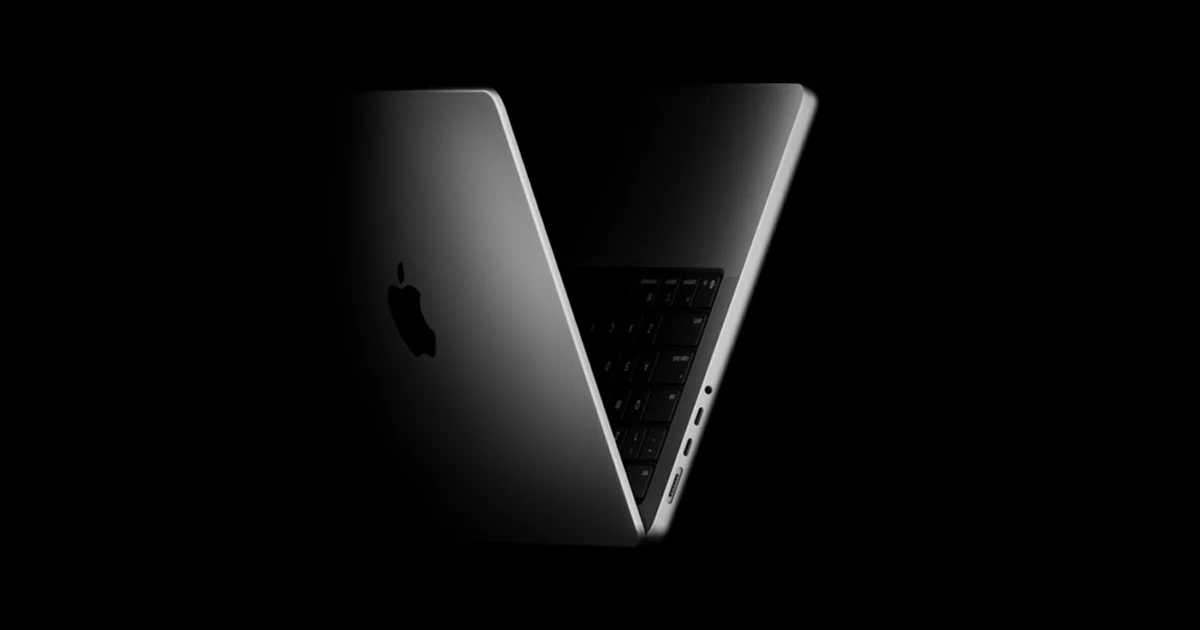
The 14-inch MacBook Pro retains Apple's established unibody aluminum design, available in Silver and Space Black. Notebookcheck measured the chassis at 1.55 kg (3.41 pounds) with a thickness of 0.61 inches (15.5 mm). Reviewers praised the chassis rigidity, noting that there is zero flex in the keyboard deck or lid. The anodized Space Black finish continues to reduce visible fingerprint smudges compared to darker finishes from prior generations. The display notch remains centered at the top edge of the panel to accommodate the webcam, which continues to divide aesthetic opinions, but reviewers noted it rarely interferes with active screen workflows.
Display
The 14.2-inch Liquid Retina XDR Mini-LED screen features a 3024 x 1964 resolution with Apple's 120Hz ProMotion variable refresh rate. Reviewers noted full coverage of the sRGB and DCI-P3 color gamuts with near-flawless factory calibration. Standard content routinely reaches up to 1,000 nits of SDR brightness outdoors, with HDR highlights peaking at 1,600 nits. Tom's Guide highlighted the optional $150 nano-texture glass finish, noting that its etched matte treatment practically eliminates harsh reflections in brightly lit offices and outdoor settings without introducing the haze commonly seen on standard matte panels.
Performance in everyday and demanding work
The base Apple M5 chip features a 10-core CPU with 4 performance cores and 6 efficiency cores, paired with a 10-core GPU and 153 GB/s of unified memory bandwidth. Notebookcheck found that the M5 delivers the fastest single-core CPU benchmark scores on the market, while multi-core compute and GPU benchmarks posted double-digit percentage gains over the outgoing M4 chip. Tom's Hardware also measured substantial progress in storage throughput, recording NVMe SSD read speeds over 2.5 times faster than earlier entry configurations. The active cooling fan keeps thermal throttling minimal during extended 4K video exports and compilation runs while staying silent during general office productivity.
Battery life
Battery endurance remains a defining strength of the 14-inch platform, which houses a 72.4 Wh cell. In Tom's Guide's standardized battery test—continuous web surfing over Wi-Fi at 150 nits of screen brightness—the MacBook Pro M5 recorded 18 hours and 14 minutes, compared to just 8 hours and 16 minutes from the Dell 14 Premium. ShopSavvy collated real-world usage showing 16 to 20 hours for general web and document editing, dropping to 7 to 8 hours under heavy sustained computational loads. Apple rates the machine for up to 24 hours of video streaming.
Keyboard, trackpad, speakers and webcam
The Magic Keyboard provides snappy travel and comfortable key spacing, backed by reliable white backlighting and a fast Touch ID fingerprint sensor on the power key. Reviewers consistently cite the large Force Touch trackpad as the industry reference standard for palm rejection and haptic feedback. The built-in audio system relies on six speakers with force-cancelling woofers, which Notebookcheck praised for producing unmatched bass and clarity for a 14-inch laptop. The 12MP Center Stage webcam produces clean, sharp video with automatic framing for video conferencing.
Ports and upgradeability
The physical port selection remains practical: three Thunderbolt 4 / USB4 ports, an HDMI port, a full-size SDXC card slot, a 3.5mm headphone jack, and a dedicated MagSafe 3 charging connection. The base M5 model supports up to two external displays with the laptop lid closed, though wireless networking remains on Wi-Fi 6E and Bluetooth 5.3 rather than the Wi-Fi 7 found on M5 Pro and Max configurations. As with previous generations, internal components are entirely soldered; memory and storage configurations cannot be changed after factory assembly.
Price and configurations
The 14-inch MacBook Pro M5 launched at $1,599 for the base tier featuring 16GB of unified memory and a 512GB SSD. Retail models frequently sell between $1,499 and list price depending on promotional periods. Mid-tier options expand storage to 1TB and RAM to 24GB or 32GB, but adding memory or high-capacity SSDs quickly drives the checkout cost beyond $2,000. Reviewers note that while the $1,599 entry point offers fair value given the included screen and build quality, Apple's component upgrade pricing remains steep.
Is it worth the money?
The base configuration includes 16GB of unified memory and 512GB of SSD storage, which offers strong performance per dollar for creative pros, though Apple's post-purchase memory and storage pricing escalates fast.
Help choosing
Compare before you buy
Key differences, review evidence and who should buy each model.
Also consider
- Apple MacBook Air 13 (M5)
A lighter, fanless alternative that delivers comparable everyday CPU performance for hundreds of dollars less.
- Apple MacBook Pro 14 (M5 Pro)
Offers extra GPU cores, wider memory bandwidth, and Wi-Fi 7 for demanding video editing and 3D rendering workflows.
- Dell 14 Premium
A compact Windows alternative with a sleek chassis design for users who require native PC software suites.
Reviews we read
This roundup summarizes professional reviews and published specifications; Next Interrupt did not test the product. Roundup updated October 31, 2026. How we work