Which tradeoff works for you?
Match size and panel to your room and work. Refresh specifications and HDR support do not establish measured brightness, contrast or motion quality.
No shared measurement establishes a winner for this priority. Use the reported features and review tradeoffs below to narrow the choice.
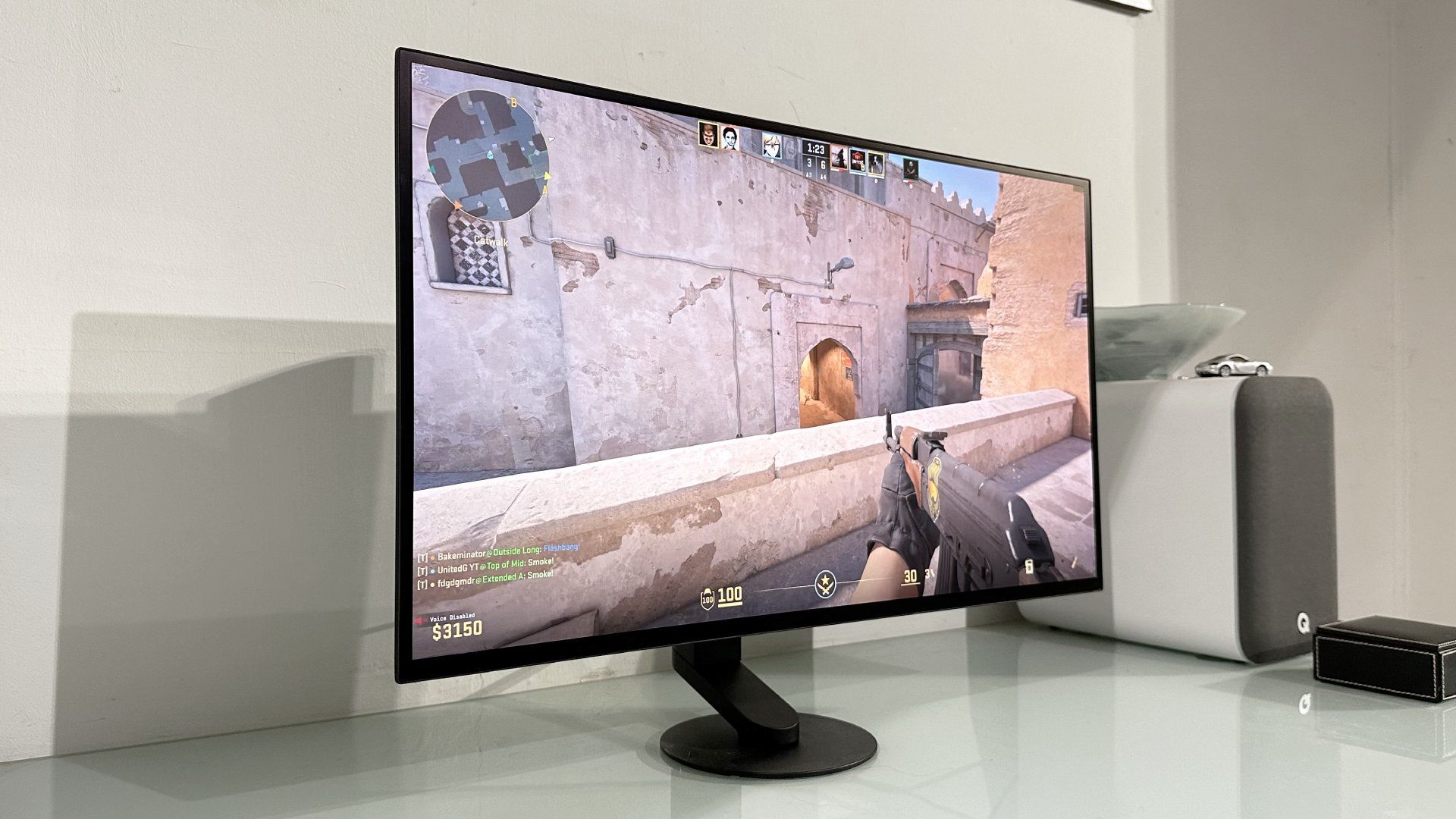
Sony Inzone M10S II
Who it suitsPeople checking screen size, room lighting and work or entertainment needs
Reported features for screen & picture
- Screen size
- 27-inch
Sources
PC Gamer ↗ - Resolution
- 2,560 x 1,440
Sources
PC Gamer ↗ - Refresh rate
- 540 Hz @ 1440p, 720 Hz @ 720p
Sources
PC Gamer ↗
Tradeoff to weigh
PC Gamer · Anti-glare coating and saturation; Tom’s Hardware: Tom’s Hardware noted the absence of built-in speakers. Plan to use headphones or separate speakers.
What reviewers found
PC Gamer · Versatile dual-mode support
Dual-mode functionality allows switching to 24.5-inch sizes at 1080p or 2,368-by-1,332 resolutions, with unused screen areas turning completely black.
PC Gamer ↗PC Gamer · Motion blur reduction
Black-frame insertion halves the refresh rate to 270 Hz while providing clarity comparable to 540 Hz, accompanied by a noticeable but manageable brightness drop.
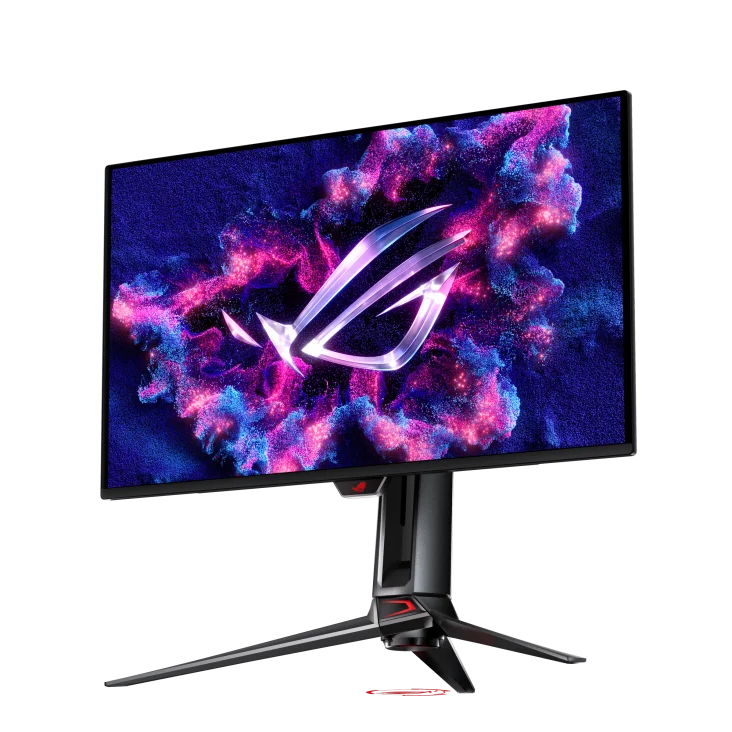
PC Gamer ↗ASUS ROG Swift OLED PG27UCDM
Who it suitsHigh-end PC gaming with dense 4K detail
Reported features for screen & picture
- Panel family
- QD-OLED
- Screen size
- 27 inches
- Resolution
- 3840 × 2160
Tradeoff to weigh
OLED care, ambient-light behavior and a high purchase price
What reviewers found
The brightest HDR number is not the whole picture
TFTCentral measured a peak of 1,012 nits in Console HDR mode, but found mid-to-light shades too dark in larger bright scenes. True Black 400 tracked the intended brightness more accurately, with a lower peak around 462 nits. Choose the mode for the picture you prefer, rather than the largest advertised number.
TFTCentral ↗What RTINGS found
RTINGS observes variable-refresh flicker in changing frame-rate scenes; this describes its sample and conditions, not every game session.
RTINGS ↗Does the price gap buy something you need?
Enter the prices you can buy at to compare the real premium. A launch price or a higher model number does not establish better value.
3 specification differences0 matching specifications0 tests comparing these models12 specifications to check
What actually changes
Specifications reported for every selected model. A difference does not automatically mean better.
Screen size
- Sony Inzone M10S II
- 27-inch
Source
PC Gamer ↗ - ASUS ROG Swift OLED PG27UCDM
- 27 inches
Resolution
- Sony Inzone M10S II
- 2,560 x 1,440
Source
PC Gamer ↗ - ASUS ROG Swift OLED PG27UCDM
- 3840 × 2160
Refresh rate
- Sony Inzone M10S II
- 540 Hz @ 1440p, 720 Hz @ 720p
Source
PC Gamer ↗ - ASUS ROG Swift OLED PG27UCDM
- 240 Hz
Measured differences
Compare results from the same test and settings.
We don’t have matching benchmark results for these models yet. Compare their features and review findings above.
Specifications to check (12 fields)
Some details are missing or differ between sources. Check them before buying.
- Panel family · Sony Inzone M10S II: not reported
- HDR formats · Sony Inzone M10S II: not reported
- Brightness · ASUS ROG Swift OLED PG27UCDM: not reported
- DisplayPort · Sony Inzone M10S II: not reported
- HDR · ASUS ROG Swift OLED PG27UCDM: not reported
- Pixel density · Sony Inzone M10S II: not reported
- HDMI · Sony Inzone M10S II: not reported
- USB-C · Sony Inzone M10S II: not reported
- Features · ASUS ROG Swift OLED PG27UCDM: not reported
- Device sharing · Sony Inzone M10S II: not reported
- OLED care · Sony Inzone M10S II: not reported
- Response time · ASUS ROG Swift OLED PG27UCDM: not reported
We don’t have matching benchmark results for these models yet. Compare their specifications and review findings above.