
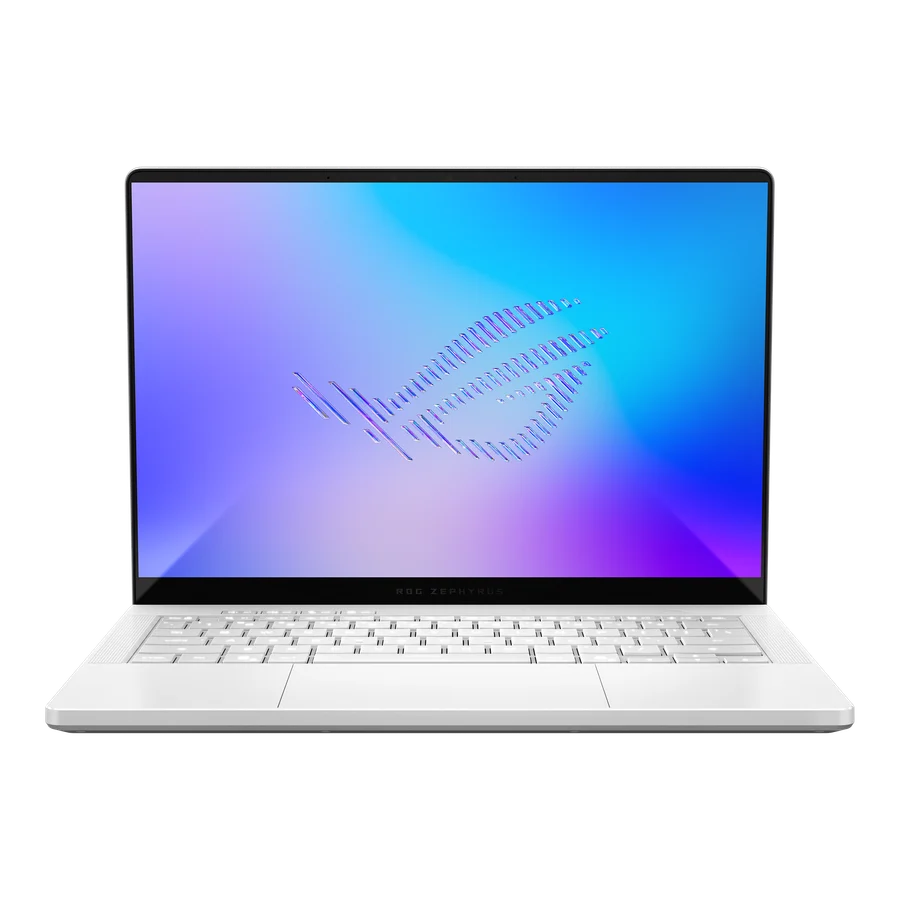
MODEL 02
ASUS ROG Zephyrus G14 (2026)
GU405, Core Ultra 9 386H / RTX 5070 Ti; RAM and SSD vary by region
Which tradeoff works for you?
Check the applications you use and the exact tested configuration. Core counts and clock speeds alone cannot establish application performance.
No shared measurement establishes a winner for this priority. Use the reported features and review tradeoffs below to narrow the choice.
Chuwi UniBook
Who it suitsPeople comparing an exact computer configuration for their apps and workload
Reported features for apps & demanding work
- Processor
- Intel Core 3 304 (5C/5T, up to 4.3GHz)
Sources
Wccftech ↗ - Storage
- 256GB PCIe 3.0 SSD
Sources
Wccftech ↗
Tradeoff to weigh
Wccftech · Small Trackpad and Fingerprint Sensitivity; Tom’s Hardware: Tom’s Hardware found weaker performance than the MacBook Neo and Dell XPS 13 it compared, along with disappointing screen, speaker and webcam quality.
What reviewers found
Wccftech · Long Battery Life
The laptop delivered almost 15 hours of casual work, 11 to 12 hours of video streaming, and minimal standby battery drain.
Wccftech ↗Ports and everyday use
Tom’s Hardware liked the broad port selection and respectable battery endurance for everyday work.
Tom’s Hardware ↗ASUS ROG Zephyrus G14 (2026)
Who it suitsA portable gaming and creation machine for buyers who can justify the premium.
Reported features for apps & demanding work
- Processor
- Intel Core Ultra 9 386H
Sources
Tom’s Guide ↗ - Memory
- Soldered; verify regional capacity
Sources
Tom’s Guide ↗ - Storage
- One M.2 2280 slot
Sources
Tom’s Guide ↗
Tradeoff to weigh
High purchase cost; Soldered memory and configuration differences
What reviewers found
What Ultrabookreview found
The 64GB/2TB GU405AR sample adds a brighter OLED and higher-power graphics; lower-tier models use a different cooling and chassis arrangement.
Ultrabookreview ↗What Tom’s Guide found
The compact machine combines strong gaming and creator performance with a steep entry price.
Tom’s Guide ↗Does the price gap buy something you need?
Enter the prices you can buy at to compare the real premium. A launch price or a higher model number does not establish better value.
5 specification differences0 matching specifications0 tests comparing these models11 specifications to check
What actually changes
Specifications reported for every selected model. A difference does not automatically mean better.
Processor
- Chuwi UniBook
- Intel Core 3 304 (5C/5T, up to 4.3GHz)
Source
Wccftech ↗ - ASUS ROG Zephyrus G14 (2026)
- Intel Core Ultra 9 386H
Source
Tom’s Guide ↗
Storage
- Chuwi UniBook
- 256GB PCIe 3.0 SSD
Source
Wccftech ↗ - ASUS ROG Zephyrus G14 (2026)
- One M.2 2280 slot
Source
Tom’s Guide ↗
Screen size
- Chuwi UniBook
- 14 Inch
Source
Wccftech ↗ - ASUS ROG Zephyrus G14 (2026)
- 14-inch
Source
Tom’s Guide ↗
Battery capacity
- Chuwi UniBook
- 53.38 Wh
Source
Wccftech ↗ - ASUS ROG Zephyrus G14 (2026)
- 73 Wh
Source
Tom’s Guide ↗
Wireless
- Chuwi UniBook
- WiFi 6 + BT 5.2
Source
Wccftech ↗ - ASUS ROG Zephyrus G14 (2026)
- Wi-Fi 7 / Bluetooth 5.4
Source
Tom’s Guide ↗
Measured differences
Compare results from the same test and settings.
We don’t have matching benchmark results for these models yet. Compare their features and review findings above.
Specifications to check (11 fields)
Some details are missing or differ between sources. Check them before buying.
- Memory · Chuwi UniBook: not reported
- CPU cores / threads · Chuwi UniBook: not reported
- GPU · Chuwi UniBook: not reported
- Panel family · Chuwi UniBook: not reported
- Refresh rate · Chuwi UniBook: not reported
- Resolution · Chuwi UniBook: not reported
- GPU power · Chuwi UniBook: not reported
- Weight · Chuwi UniBook: not reported
- Ports · Chuwi UniBook: not reported
- Generation · Chuwi UniBook: not reported
- OS · ASUS ROG Zephyrus G14 (2026): not reported
We don’t have matching benchmark results for these models yet. Compare their specifications and review findings above.