
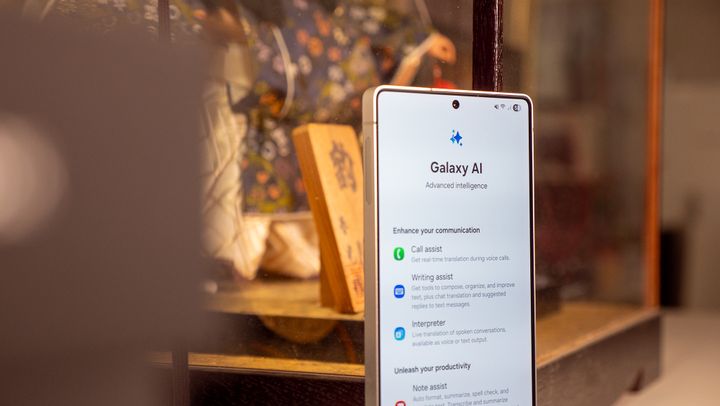
Hold on—is 'Galaxy Claw' the Samsung AI update we've been waiting on? Rumors are talking
Another rumor suggests Samsung is working on "Galaxy Claw," which could serve as your personal AI for "scheduled tasks."
via Android CentralReported by 2 outlets
The story so far
AI summary of the reporting below · Updated · How we work
Samsung is building an artificial intelligence agent called Galaxy Claw to handle multi-step actions across various applications, according to details uncovered by Android Authority. The upgrade reportedly relies on a background engine dubbed Personal Agent Core to link Galaxy AI with apps such as Messages, Gmail, Contacts, Calendar, Gallery, Voice Recorder, and the Phone dialer. The feature could arrive alongside One UI 9.5, potentially debuting around 2027. [1][2]
To execute actions across applications, the system requires user permission to view and manage sensitive personal information, including call records and messages. Uncovered code indicates that users will be able to set up scheduled, recurring tasks that run hourly, daily, on weekdays, or weekly, complete with task history, editing controls, and a manual "run now" trigger. Other discovered elements include a Travel Planner, a Device Cleaner, and a Daily Brief that summarizes emails and notifications from third-party apps. [1][2]
The push toward agentic software mirrors competing features from Google's Gemini and Apple's Siri as device makers look to automate personal workflows. However, these advanced tools may come at an additional cost. Reports indicate Samsung is evaluating subscription tiers, potentially charging $4.99 per month or $47.99 per year for a Galaxy AI Premium package that could bundle the Daily Brief alongside features like Gen Video and enhanced Bixby actions. [1][2]
Another rumor suggests Samsung is working on "Galaxy Claw," which could serve as your personal AI for "scheduled tasks."
via Android Central
Similar to Gemini Intelligence and Siri AI, Galaxy Claw could bring cross-app intelligence to your phone.
via ZDNET