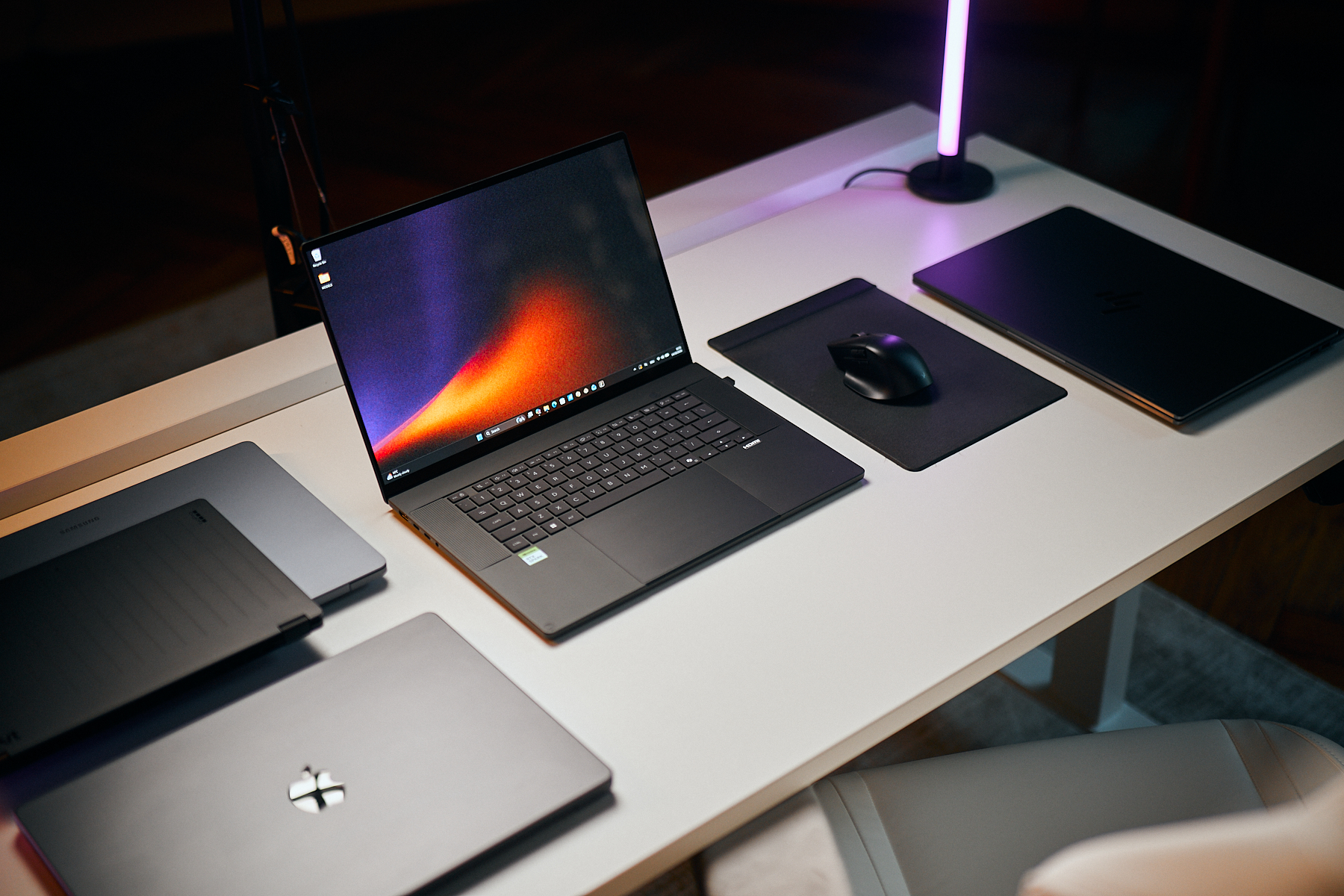
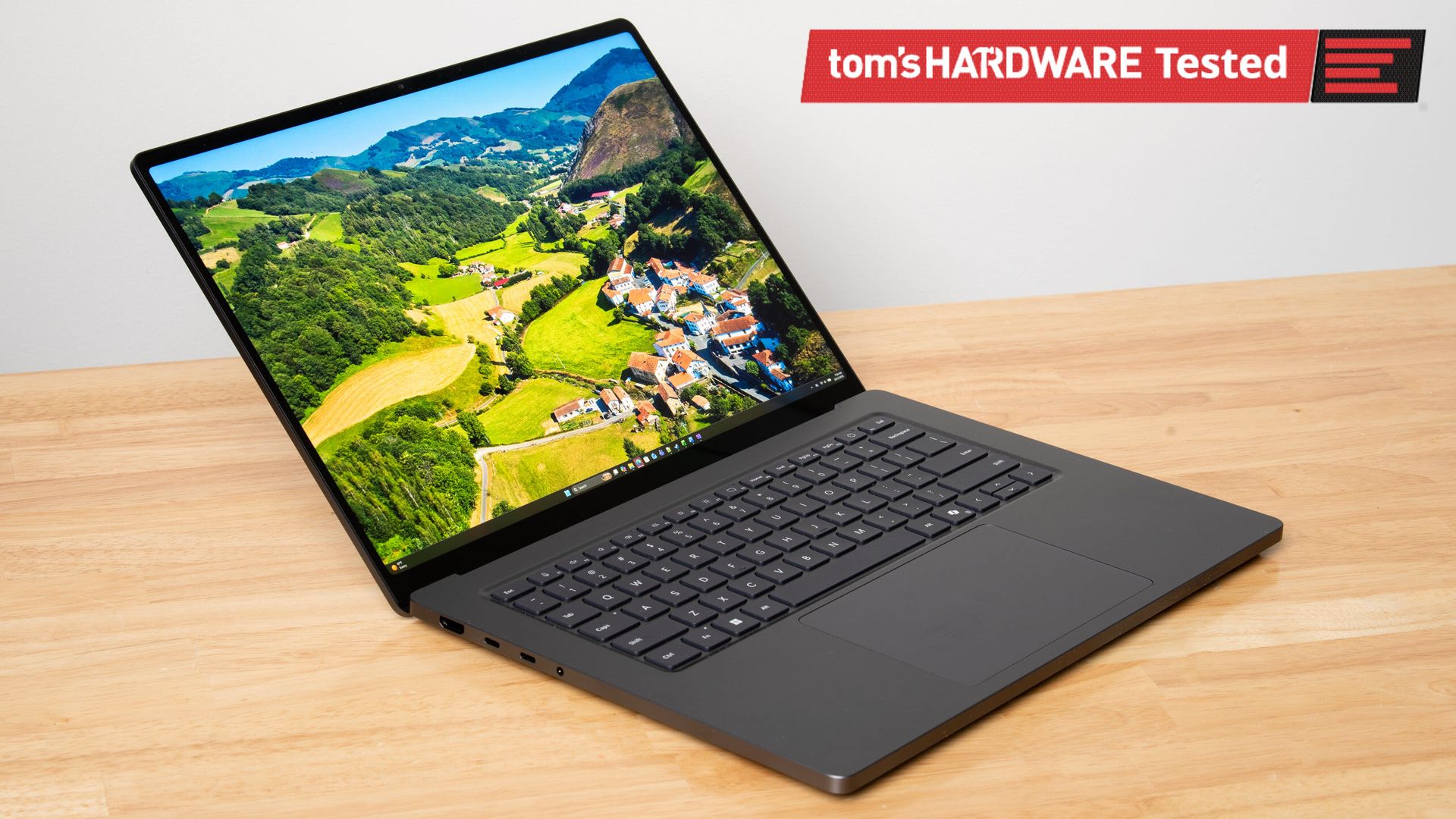
Nvidia has debuted its first laptop processors under the RTX Spark banner, bringing its Arm-based architecture to consumer mobile PCs. Early evaluations focused on the flagship GB10 Superchip, also referred to as the N1X, powering premium hardware such as Microsoft's Surface Laptop Ultra and the Asus ProArt P16. Top configurations feature 20 CPU cores, 6,144 CUDA cores, and up to 128GB of fast LPDDR5X-9400 memory. [1][2]
The platform pairs Nvidia silicon with a specialized version of Windows on Arm designed to execute local, autonomous AI agents securely. According to early evaluations, the machine excels at offline, privacy-focused artificial intelligence workloads and complex model inference. However, testers found that the chip falls short as a dedicated gaming replacement and requires substantial power, with Microsoft's 15-inch model utilizing a 140W power adapter. [1][2]
The release is backed by PC manufacturers including Dell, HP, Lenovo, and MSI, setting up a direct contest against Apple's M5 Max MacBook Pro and AMD's Ryzen AI processors. Even so, the hardware faces headwinds from surging DRAM and NAND prices tied to Nvidia's broader supply chain demands, prompting recommendations to hold off while underlying software matures. [2]