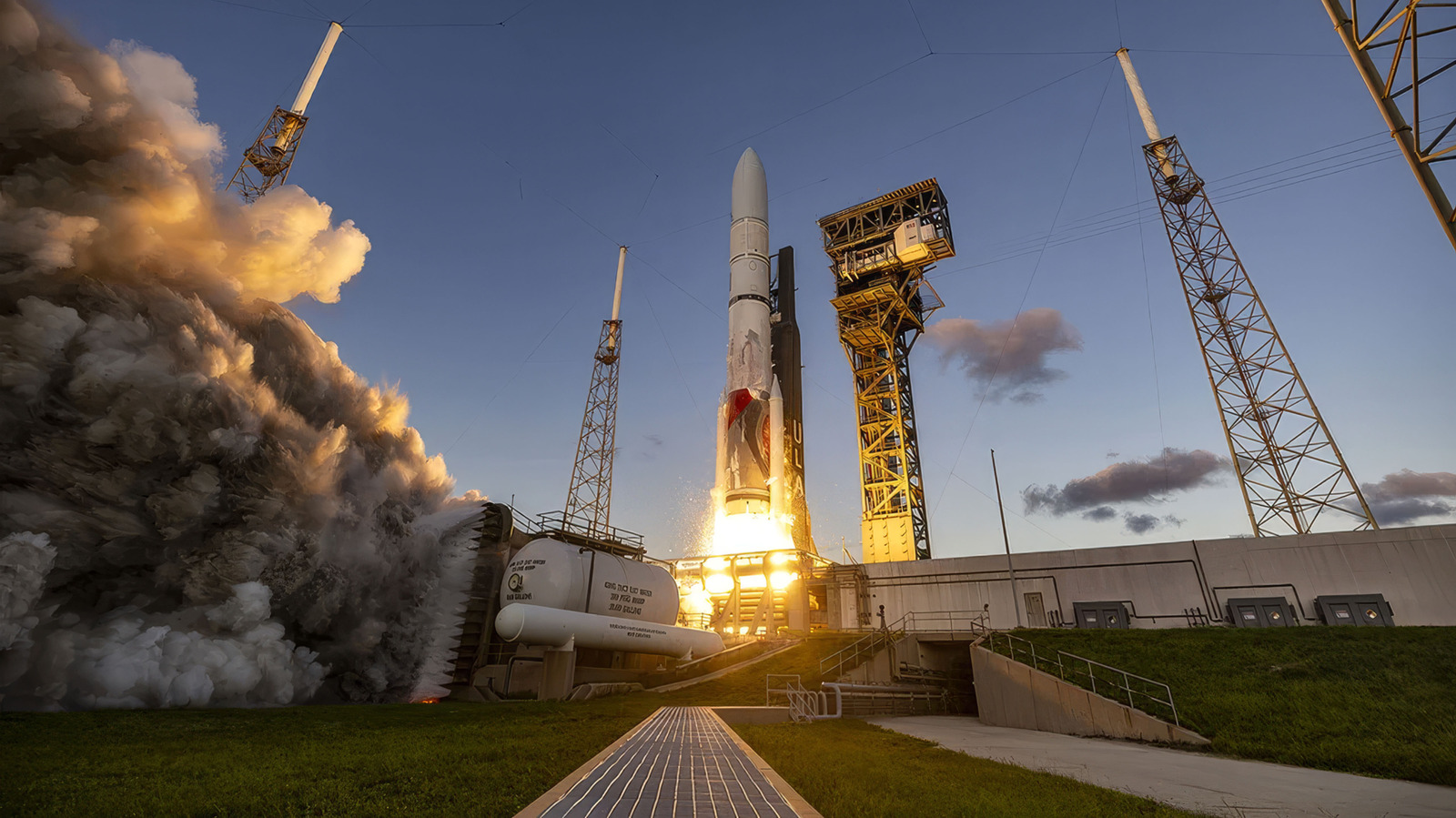
ULA Vulcan rocket failure destroys 40 Amazon Leo satellites
United Launch Alliance is known for its ultra-dependable Atlas V, but its its latest rocket is off to a shaky start.
via EngadgetReported by 4 outlets
The story so far
AI summary of the reporting below · Updated · How we work
A United Launch Alliance Vulcan rocket failed approximately 10 minutes after lifting off from Cape Canaveral on Sunday, destroying its payload of 40 Amazon Leo broadband satellites. The mission marked ULA's first total launch failure since the joint venture was formed by Boeing and Lockheed Martin in 2006. The flight was the first of 38 Vulcan launches purchased by Amazon to deploy its constellation competing with SpaceX's Starlink. [1][3][4]
The rocket lifted off at 12:40 p.m. ET following two days of delays and a hold called at T-minus 20 seconds for an unresolved technical issue. While its Northrop Grumman solid rocket boosters functioned normally, Spaceflight Now reported that the first-stage engines burned longer than anticipated. ULA indicated the anomaly occurred during the firing of the Centaur upper stage, which is powered by two L3Harris RL10 engines. ULA stated it does not yet have specific data explaining the failure and has opened an investigation. [1][3]
The loss compounds deployment challenges for Amazon Leo, formerly Project Kuiper. The company has roughly 390 operational satellites in orbit toward its goal of deploying 3,232 by July 2029, following launch slippages across its commercial rocket partners. Amazon also holds 24 reservations on Blue Origin's New Glenn rocket, which was grounded following a launchpad explosion in May. Amazon Leo's next launch is slated for an Arianespace Ariane 6 flight scheduled as early as November 23. [1][3]
United Launch Alliance is known for its ultra-dependable Atlas V, but its its latest rocket is off to a shaky start.
via Engadget
ULA's Vulcan rocket failed about 10 minutes into flight Sunday, the company's first total mission failure, losing 40 satellites for Amazon's Leo internet service and disrupting Amazon's plans for a second Vulcan launch within weeks.
via GeekWire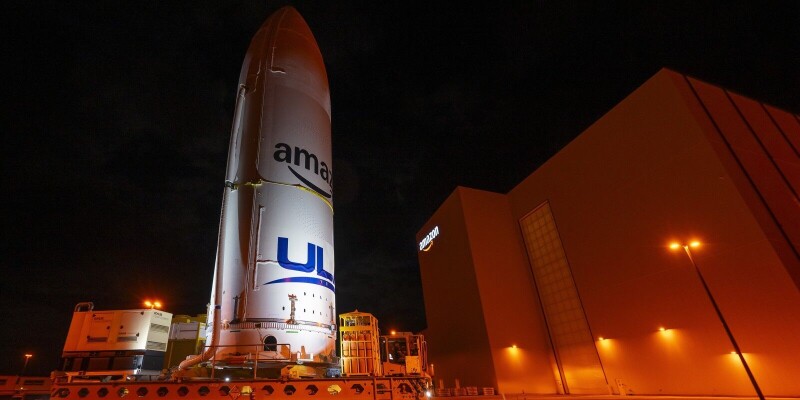

United Launch Alliance (ULA) suffered what is reportedly its first mission failure in its 20-year history, failing to deliver 40 Amazon Leo satellites to orbit. Leo is Amazon's competitor to SpaceX's Starlink, but it has struggled to get off the ground so far, putting only a small portion of the necessary satellites to challenge Starlink…
via The Verge