
Thousands of “ghost students” use AI to steal millions in student loans, DOJ says
Applying for FAFSA may get messy as DOJ “ghost student” crackdown ramps up.
via Ars TechnicaReported by 2 outlets
The story so far
AI summary of the reporting below · Updated · How we work
The U.S. Department of Justice has indicted five individuals and seized over $750,000 in cryptocurrency linked to a network associated with Kenyan nationals, marking the first results of an initiative dubbed Operation Ghostbusters. Estimates suggest the fraudulent activity cost the U.S. government more than $200 million. Fraudsters used stolen identities alongside artificial intelligence to secure federal student loans through the Federal Student Aid program, fabricating online attendance records while unsuspecting victims who bypassed college were left burdened with the resulting debt. [1][2]
Under the scheme, colleges received the majority of the loan funds, but remaining balances were directed into the perpetrators' bank accounts. Financial mules subsequently funneled the cash abroad to overseas conspirators. Suspicion originally surfaced among universities and community colleges in 2021 before the Department of Education's inspector general referred the matter to the FBI, eventually expanding to more than 40 active cases involving 26 FBI field offices and 20 U.S. Attorney's offices. [1]
Assistant Attorney General Colin M. McDonald called the cryptocurrency confiscation the first international seizure of its kind in Kenya, crediting automated fraud-detection measures with helping identify the suspects. However, new automated safeguards aimed at halting the scheme risk producing false positives and identification burdens that harm vulnerable students. [1][2]
Applying for FAFSA may get messy as DOJ “ghost student” crackdown ramps up.
via Ars Technica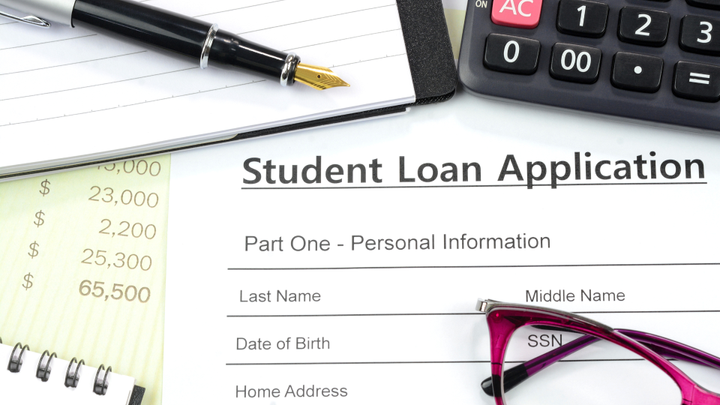
Fraudsters are using the identities of high school graduates who skipped college to apply for student loans and steal the excess proceeds that do not go to schools. They use AI to keep the charade going and make it seem like the fake student is actually going to class.
via Tom’s Hardware