

Sony revives the Walkman’s iconic MDR-3 headphones with USB-C for $60
Sony is bringing back its iconic Walkman MDR-3 headphones for the modern era with a USB-C connection and a price tag of $60.
via 9to5GoogleReported by 6 outlets
The story so far
AI summary of the reporting below · Updated · How we work
Sony is resurrecting the lightweight on-ear headphones originally paired with its 1979 TPS-L2 cassette player under a new model name, the MDR-3R. Available starting in November, the standard version costs $59.99 (or £49, €59, and AU$89.95), while a themed Stranger Things edition with a black headband and red earpads is priced at $79.99 (or £59, €69, and AU$99.95). Outfitted with vintage-style packaging and manuals, the wired set is sold through the Sony online store and major retailers. [2][3][4][5][6]
Weighing just 38 grams, the MDR-3R ditches Bluetooth and batteries in favor of a 1.2-meter USB-C cord designed to plug directly into modern phones, tablets, and computers. It features an open acoustic design with re-engineered 23mm drivers, interchangeable blue and orange foam ear pads, and an inline three-button remote with a microphone for voice assistants, calls, and volume adjustments. Sony acknowledges some sound leakage will occur due to the open earcups, and the headphones lack an official IP water-resistance rating. [3][4][5]
The switch to USB-C creates an ironic limitation: Sony's own modern Walkman players are not recommended for use with the new headset. According to SoundGuys, Sony warns that connecting USB-C headphones to Walkmans like the $5,899.99 NW-WM1ZM3 can cause uncontrollable volume or prevent audio from playing at all, leaving retro audio enthusiasts to rely on smartphones and laptops instead. [4]
Sony is bringing back its iconic Walkman MDR-3 headphones for the modern era with a USB-C connection and a price tag of $60.
via 9to5Google
Color us nostalgic. Sony has brought back the MDR-3-series headphones that debuted in 1979 alongside the Walkman TPS-L2 cassette player. In this marketing image Sony shared, you can see the Walkman TPS-L2. Credit: Sony Originally called the "MDR-3L2," the first Walkman headphones were known for their sleek, adjustable gray plastic headband, which extended via metal sliders and ended in signature orange, circular ear cushions.
via Ars Technica
Sony is reissuing the headphones that came with the first Walkman after 45 years. The ultralight on-ear headphones aim to impress not only with their retro charm, but also with modern convenience features such as USB-C and an inline remote.
via Notebookcheck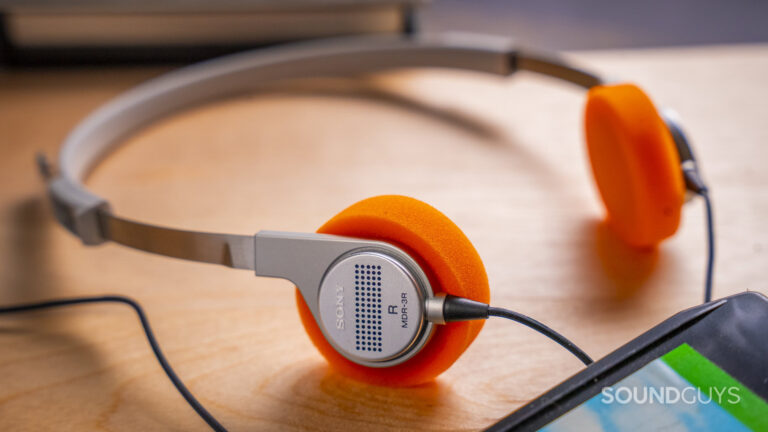
Nostalgia or fashion statement? Sony's new MDR-3R headphones bring a 1979 classic into 2026 with USB-C audio and a dash of irony.
via SoundGuys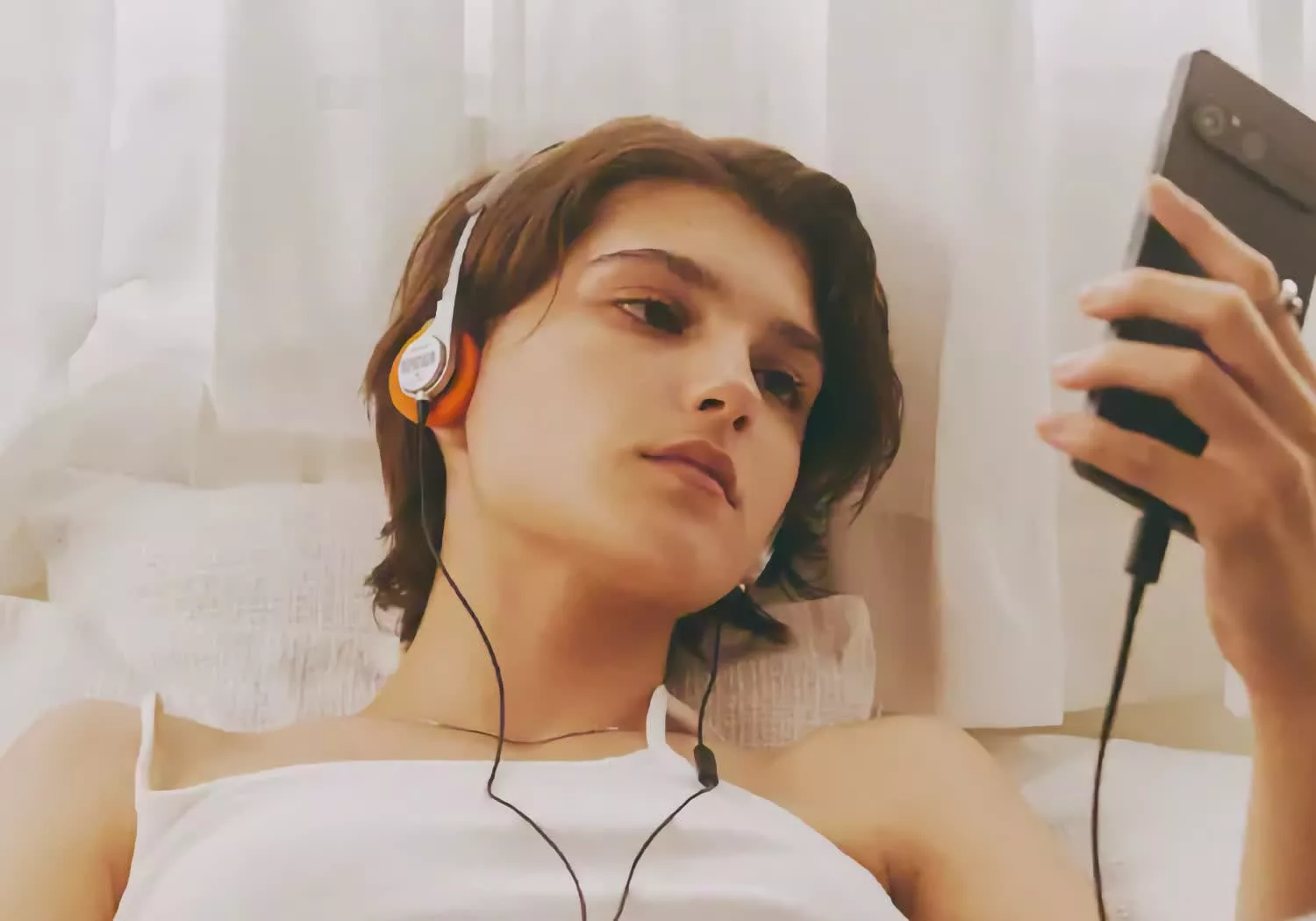
The new MDR-3R looks almost identical to the 3L2 that shipped with the first Walkman. Rather than sacrifice modern functionality for nostalgia, though, Sony swapped the 3.5mm plug for USB-C and added an inline remote and microphone for easy playback controls and hands-free calls.
via TechSpot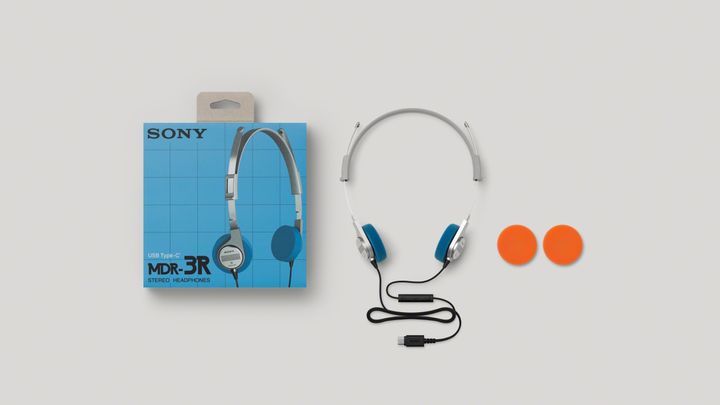
The new MDR-3R wired on-ears have the same design as the originals, now with a USB-C connection
via What Hi-Fi?