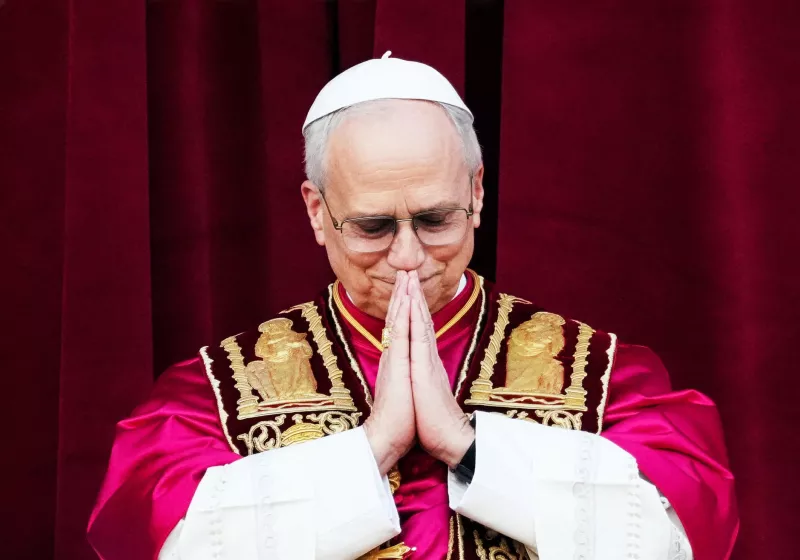
Pope Leo XIV addressed artificial intelligence luminaries at the Vatican on Oct. 30, delivering an approximately 740-word speech just 17 days after undergoing surgery for lung cancer. The pontiff called on governments meeting in Geneva in November to take concrete steps toward banning lethal autonomous weapons and urged that the technology serve the global common good rather than the interests of a privileged few. [1][2]
Clarifying the Catholic Church's position, Pope Leo XIV stated that machines are tools rather than persons and warned against granting systems legal rights, which could leave victims of harm facing a faceless entity. He stressed that essential choices regarding life, freedom, and the use of force must remain in human hands, while advocating for effective international institutions to enforce governance principles. [1][2]
The speech follows the pope's roughly 42,000-word encyclical Magnifica Humanitas from May. Ahead of the Geneva review conference scheduled for Nov. 16-20 to decide on potential treaty negotiations, prominent attendees offered varying perspectives: MIT's Max Tegmark echoed concerns over ceding authority to machines, while UC Berkeley's Stuart Russell warned that developing systems more capable than humans could bring extreme existential risks. [2]