Adobe unveiled a major suite of generative AI and automation features across Creative Cloud at its annual Max conference in Miami. The updates bring autonomous multi-step agents to Firefly, expand AI video editing, and introduce new tools across Photoshop, Premiere, and Lightroom. In Premiere, users can access an in-timeline Generative Media Tool using models from partners like Google, Kling, Runway, and Luma, alongside a beta Generative Remove tool for erasing objects like boom mics. On mobile, Premiere is gaining natural-language editing agents and hundreds of thousands of licensed music tracks through deals with UMG and WMG. [2][3][5]
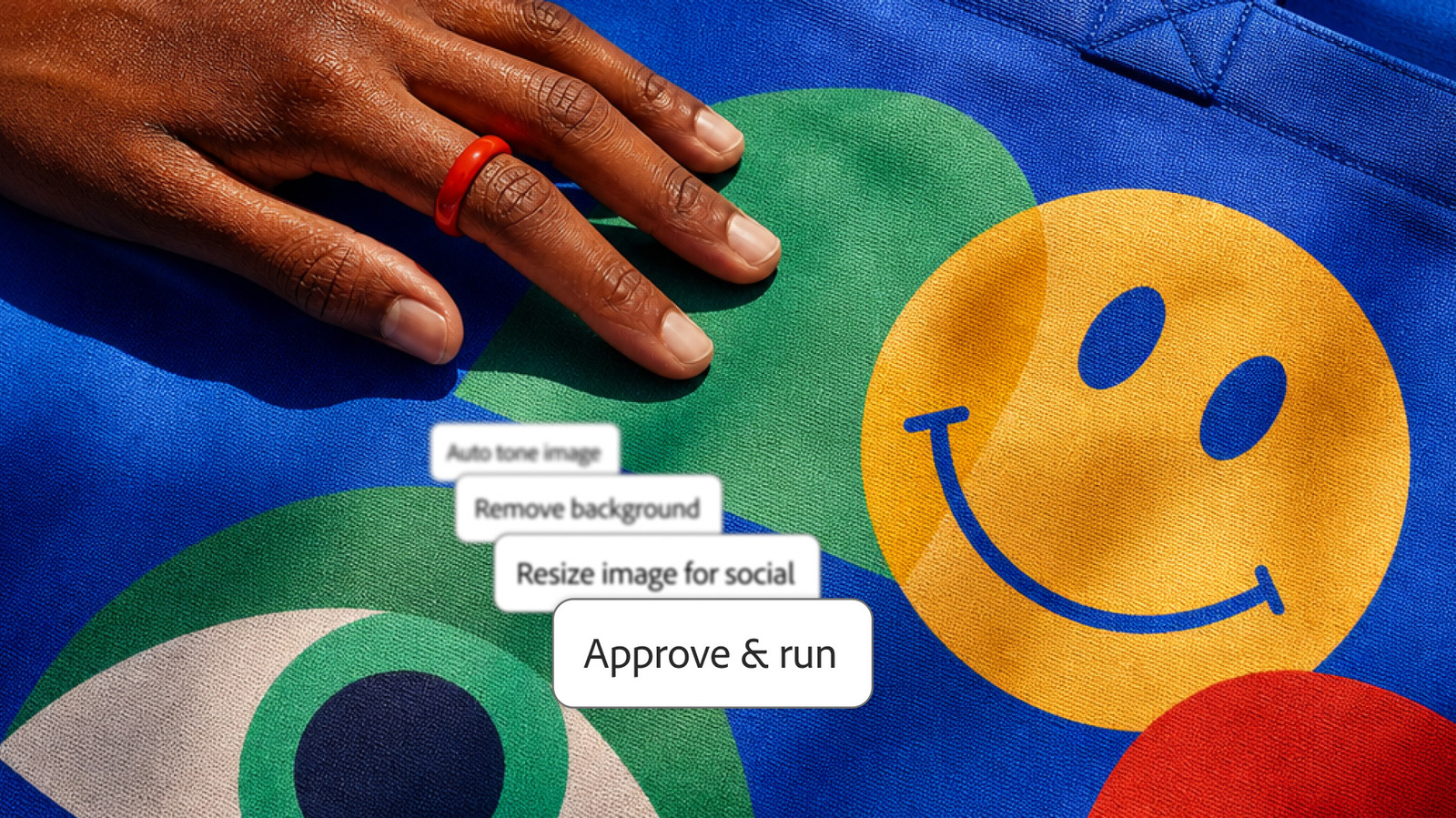
The Firefly AI Assistant has been upgraded to handle recurring, multi-step tasks, incorporating an interactive planning mode that lets users review proposed workflows before execution. Meanwhile, an updated Firefly video editor adds dedicated ideation panels and storyboarding capabilities. For external integrations, Adobe announced it is developing Model Context Protocol connections to let chatbots like ChatGPT, Claude, and Gemini interact directly with Photoshop, Premiere, Illustrator, and After Effects, with the integration scheduled to enter private beta in early 2027. [2][3][7][5]
Adobe is also expanding deeper into enterprise workflows and third-party ecosystems, announcing an enhanced partnership with Google to surface Acrobat across Gmail and Google Drive and link tools into Gemini. While competitors like Figma have voiced skepticism over MCP standards, Adobe executives emphasized that the push aims to expose core creative workflows to emerging AI platforms. [3][6]