Noctua Releases NT-CP1 Carbon Nanotube Thermal Pad for AMD Ryzen CPUs
Noctua has introduced the NT-CP1 AM5/4, a new thermal interface pad developed with Carbice Corporation that replaces conventional thermal paste on AMD Ryzen processors.
via Guru3DReported by 3 outlets
The story so far
AI summary of the reporting below · Updated · How we work
Cooling manufacturer Noctua has released the NT-CP1 AM5/4 Carbice carbon nanotube thermal pad for AMD AM4 and AM5 processors. The pad is available now for $24.95 in the US and €24.95 in Europe. Developed in partnership with nanotechnology firm Carbice, the product aims to serve as a long-term alternative to traditional thermal paste. [2][3]
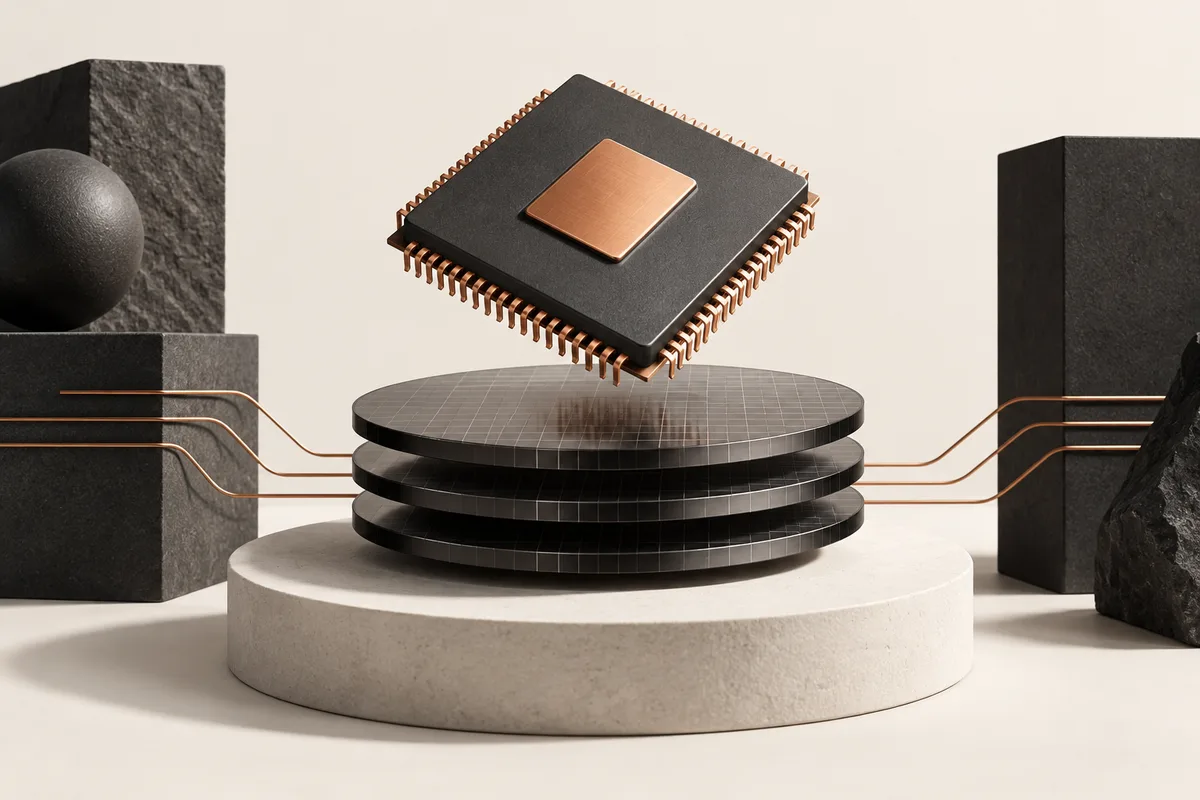
The NT-CP1 features vertically aligned carbon nanotubes layered around an aluminum backbone with a nanoscale polymer coating, creating an ultra-thin 90µm profile precut to 33x33mm. Noctua says the design makes the pad easier to handle and electrically insulating as long as the polymer layer stays intact. Rather than degrading over time from cracking or pump-out, the pad is claimed to conform to microscopic surface imperfections over repeated thermal cycles, maintaining stable performance for years after an initial activation period. [2]
Noctua has introduced the NT-CP1 AM5/4, a new thermal interface pad developed with Carbice Corporation that replaces conventional thermal paste on AMD Ryzen processors.
via Guru3D
Noctua says the NT-CP1 uses carbon nanotubes originally developed for aerospace applications, with the material gradually adapting to microscopic surface imperfections to improve heat transfer over repeated heating and cooling cycles.
via Tom’s Hardware
ASUS says the conventional thermal pastes lose their performance over time, while the NT-CP1 thermal pad can go on for several years. Noctua Launches NT-CP1 Thermal Pad for AMD AM4/AM5 Processors, Promising a "Maintenance-Free" Alternative to Conventional Thermal Paste Noctua has prepared a new thermal solution for enthusiasts who want to keep the CPU temperatures down without worrying about performance degradation.
via Wccftech