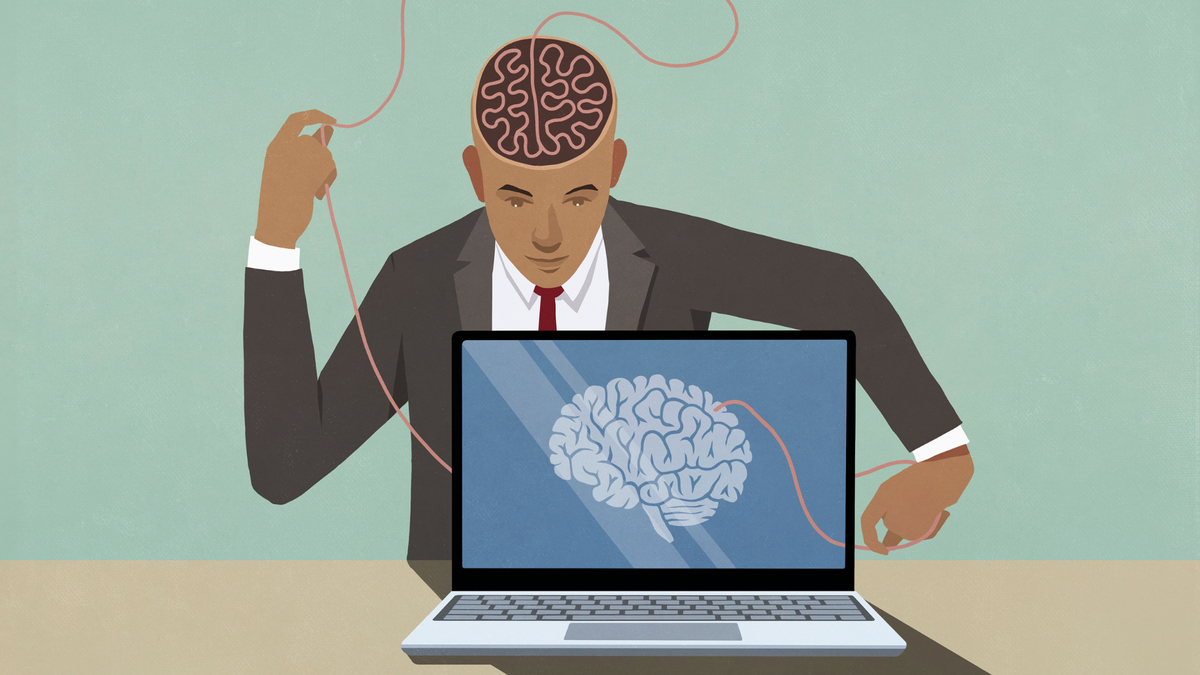

You don’t need to believe in a god to get a religious exemption from using AI at work
David Durman, a University of Kentucky administrator, recently earned a religious exemption from using AI in the workplace.
via TechCrunchReported by 2 outlets
The story so far
AI summary of the reporting below · Updated · How we work
David Durman, a research administrator at the University of Kentucky, has received a Title VII religious accommodation excusing him from using artificial intelligence tools at work. Durman, who identifies as a nontheistic secular Humanist, sought the accommodation with assistance from the American Humanist Association, arguing that relying on tools like ChatGPT and Microsoft Copilot undermines human critical thinking and moral agency. [1][2]
Under the accommodation granted through the Civil Rights Act of 1964, Durman will not be required to personally use AI systems to perform his duties supporting researchers with grants. The arrangement still carries requirements: Durman must attend meetings and cooperate with coworkers who utilize AI, and the university noted that accommodations may be reevaluated as technology and responsibilities shift to ensure they do not create an undue hardship. [1][2]
The American Humanist Association described the decision as the first exemption of its kind for Humanism, noting that federal courts recognize the secular worldview under religious accommodation standards. Durman pursued the preemptive protection after seeing recommendations from colleagues and leadership to test AI tools, having also drawn inspiration from a Unitarian Universalist software engineer, Erin Maus, who previously obtained similar protections. [1][2]
David Durman, a University of Kentucky administrator, recently earned a religious exemption from using AI in the workplace.
via TechCrunch
A research administrator at the University of Kentucky was granted a Title VII exemption, allowing them to not use AI tools as it goes against their moral beliefs.
via Tom’s Hardware