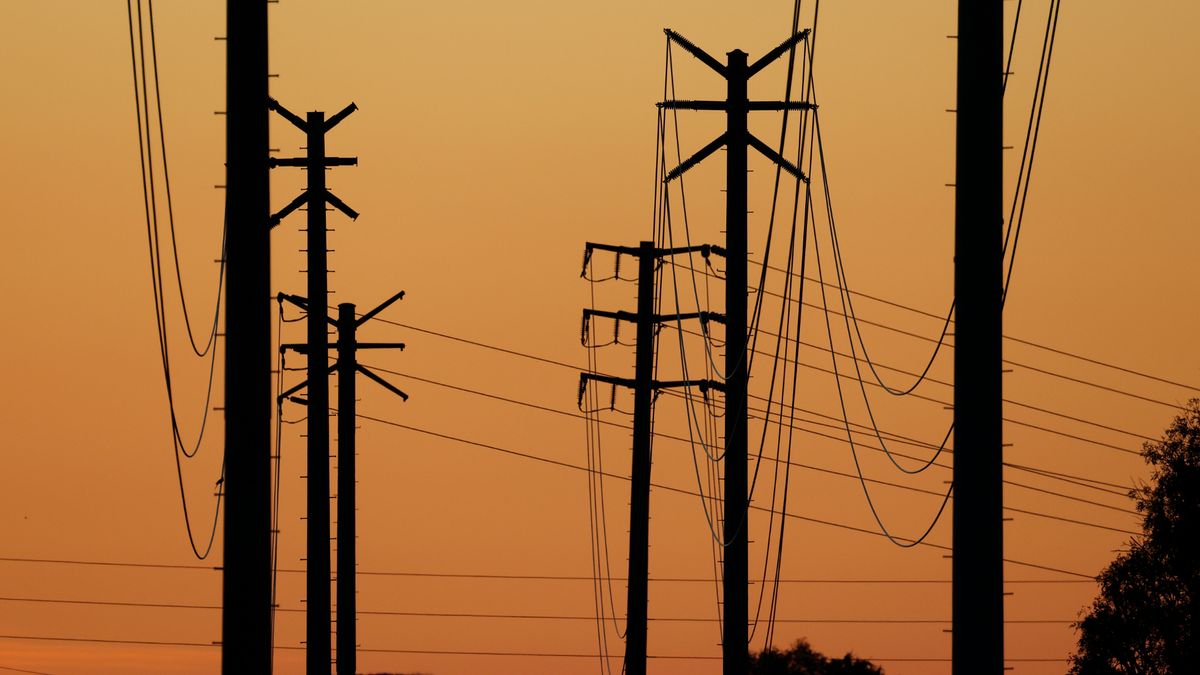

Introducing the Grid Protectors Program
OpenAI’s Grid Protectors Program will work with utilities to help future compute campuses support grid reliability and protect consumer electricity costs.
via OpenAIReported by 2 outlets
The story so far
AI summary of the reporting below · Updated · How we work
OpenAI has introduced an initiative called the Grid Protectors Program designed to reduce the power consumption of its AI data centers when local electricity usage surges. The company is piloting the system at a planned campus in Effingham County, Georgia, where it signed a 3.2-gigawatt agreement with Georgia Power that includes 1,000 megawatts of flexible demand response. [1][2]
Under the setup, facilities will be built to scale down electricity use when utilities request it, setting terms on how much demand can be reduced, how quickly, and for how long. Modern automation allows data center loads to drop in under a minute during peaks such as severe winter cold snaps or summer heatwaves. According to Tom's Hardware, the 1,000-megawatt capacity buffer in Georgia is enough to supply power for roughly 800,000 homes, or nearly 20% of households in the state. [1]
OpenAI says the flexibility will help protect regional electricity grids and customer costs, while also allowing new facilities to connect to utility networks faster instead of waiting for new power generation to be constructed. Demand response mechanisms have been deployed in heavy industries for decades, and other tech companies, including Nvidia in the United Kingdom, have also tested similar load-reduction systems. [1][2]
OpenAI’s Grid Protectors Program will work with utilities to help future compute campuses support grid reliability and protect consumer electricity costs.
via OpenAI
The Grid Protectors Program applies load shedding, a technique in use since the 1970s, to data centers.
via Tom’s Hardware