
DHS bans DeepSeek products across US federal civilian agencies
The U.S. Department of Homeland Security (DHS) is ordering federal civilian agencies to stop using DeepSeek products and remove them from government systems.
via BleepingComputerReported by 8 outlets
The story so far
AI summary of the reporting below · Updated · How we work
The U.S. Department of Homeland Security has ordered federal civilian agencies to stop buying products from Chinese AI firm DeepSeek and immediately purge them from government IT networks. Published in the Federal Register after a public preview on October 19, the directive excludes the company's offerings from federal procurement lists and bars DeepSeek from bidding on government contracts. [3][4][6][8]
The mandate reaches beyond DeepSeek's direct applications to cover affiliates and third-party software built using its technology. Officials cited concerns that the Chinese government could access agency infrastructure, siphon sensitive user information, or leverage potential malware in the models. Civilian departments must file any exception requests within 60 days, which the Cybersecurity and Infrastructure Security Agency will review. Security analysts note that purging third-party tools will prove challenging, as agencies may unintentionally use DeepSeek through AI routing gateways or software whose code was generated using the models. [3][7][8]
The move expands previous government restrictions that targeted defense and intelligence networks. Beijing condemned the civilian ban, with Chinese Foreign Ministry spokesperson Mao Ning accusing the United States of politicizing technology and pledging to protect Chinese corporate interests. [5][7]
The U.S. Department of Homeland Security (DHS) is ordering federal civilian agencies to stop using DeepSeek products and remove them from government systems.
via BleepingComputer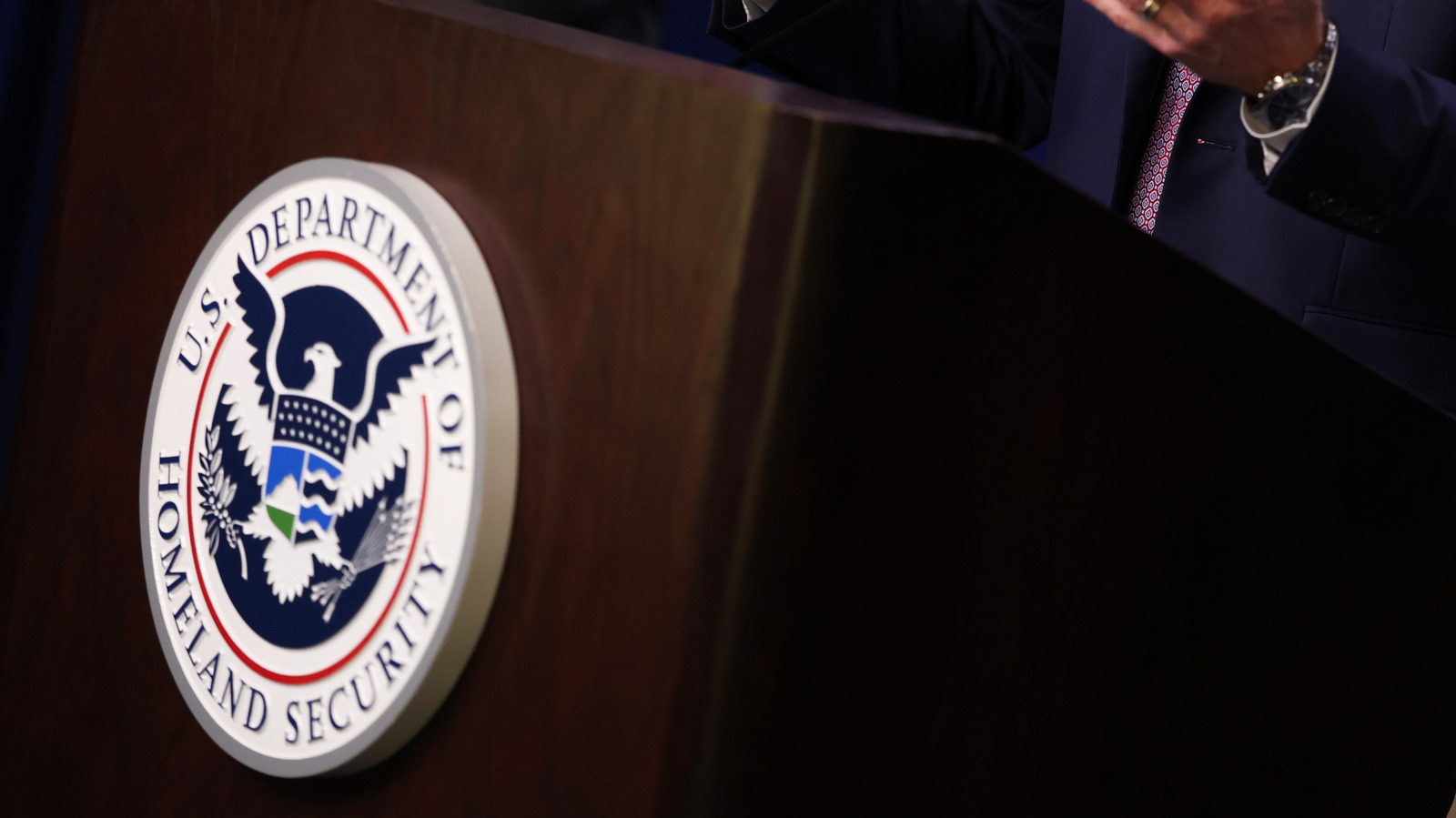
The decision comes a couple of days after the release of Deepseek's latest AI model.
via EngadgetThe DHS said agencies should remove DeepSeek products as well as third-party products and services developed using DeepSeek from their IT systems.
via SecurityWeek
The Department of Homeland Security has ordered artificial intelligence technology from the Chinese company DeepSeek Ltd. be removed from all federal civilian agencies. The order, published on the Federal Register website today, warned that DeepSeek’s AI models present “multiple threat vectors,” that could give the Chinese Communist Party “extensive authority” to access American government infrastructure.
via SiliconANGLEThe U.S. has ordered federal civilian agencies to remove DeepSeek products and third-party services built using its technology, citing national security concerns.
via TechCrunch
The Department of Homeland Security's notice was made public on October 19, ahead of today's Federal Register publication. The underlying order dates back to late July, according to AP, making this a public disclosure of an earlier decision rather than a ban signed this week.
via TechSpot
Order disallowing use of Chinese AI service is unhelpfully vague and broad
via The Register