

Google Fi brings back network switching with ‘secondary’ partner, expands W+ beyond Pixel
Google Fi Wireless is rolling out a big update today with the return of network switching thanks to a “secondary” partner.
via 9to5GoogleReported by 5 outlets
The story so far
AI summary of the reporting below · Updated · How we work
Google Fi Wireless began rolling out a new super network feature on November 10, 2026, enabling compatible devices to switch automatically between two separate 5G networks to prevent dropouts and dead zones. The upgrade is included at no extra cost for existing Google Fi subscribers, including those on Flexible and Unlimited Premium plans, but requires a Google Pixel 9 or newer model at launch. The company advertises the access as using two top domestic 5G networks, though it has not formally disclosed the identity of its secondary carrier partner. [1][2][3][4][5]
The switching runs on Multiple Enabled Profiles eSIM technology, which lets a single physical chip host two active cellular connections without manual user switching. To function, devices must have Google Fi set up on an eSIM, and any non-Fi SIMs must be deactivated. Alongside cellular switching, Google is expanding Wi-Fi Auto-Connect Plus, which automatically links to encrypted public networks in locations such as malls and airports. That Wi-Fi feature also reaches Pixel 5a and newer handsets, select modern Motorola devices, and Samsung phones running One UI 9 or later. [1][2][4][5]
The update revives multi-network support, a defining perk of the original Project Fi in 2015 that lapsed after Sprint and U.S. Cellular dropped away. Google Fi confirmed the dual-network failover also operates in international travel destinations for Flexible and Unlimited Premium subscribers. To accompany the launch, the carrier introduced Ask Fi, an in-app AI troubleshooting assistant with human handoff capabilities. [1][2][3][4][5]
Google Fi Wireless is rolling out a big update today with the return of network switching thanks to a “secondary” partner.
via 9to5Google
Automatic network switching for Pixel phones could mean fewer mobile dead zones.
via CNET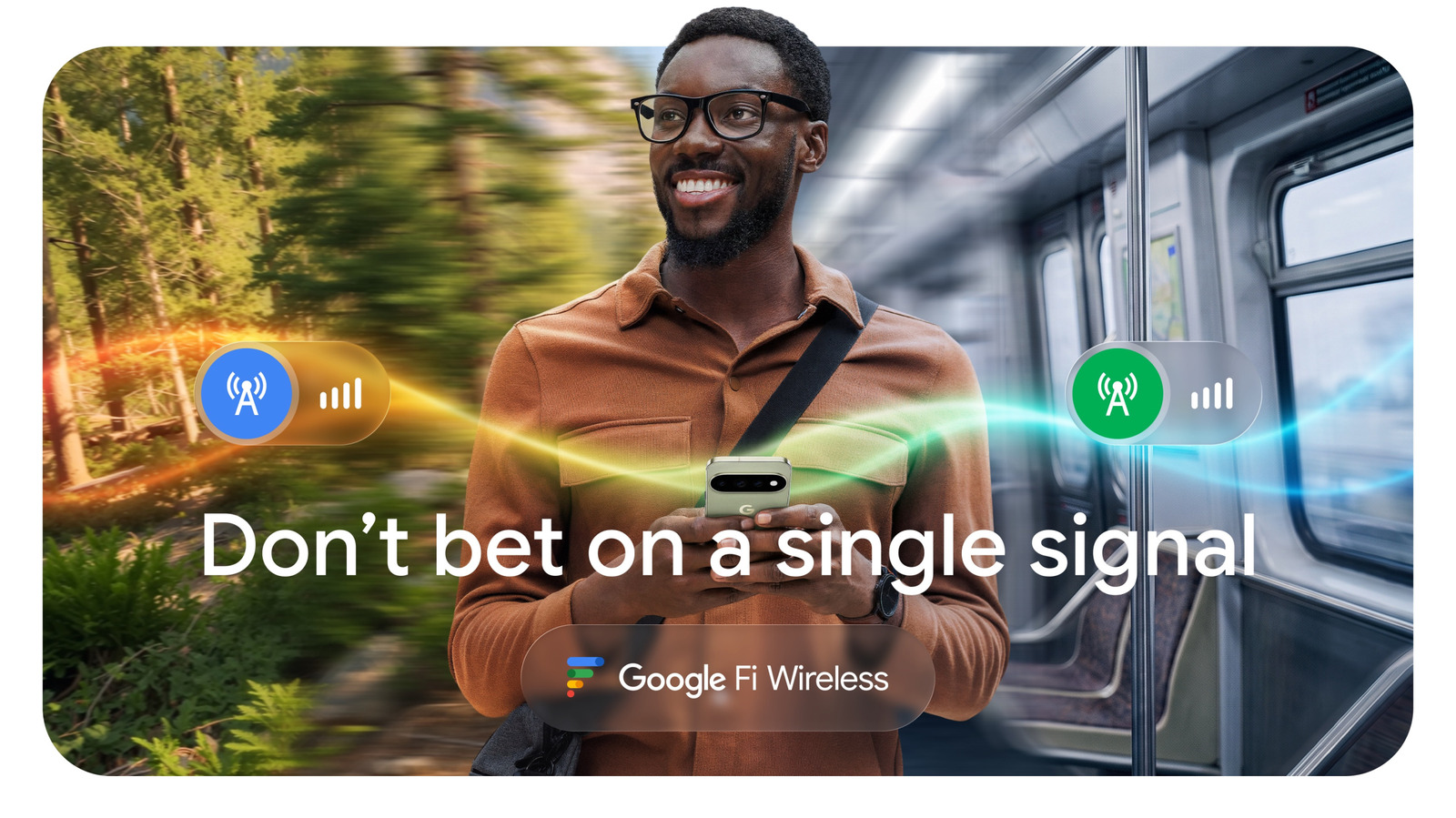
It's rolling out first on Pixel phones before wider availability arrives in 2027.
via Engadget
Google Fi is launching a new "super network" that can automatically switch users between two different 5G networks depending on which one has better connectivity. The feature is rolling out starting today on Pixel 9 and newer phones that have Google Fi active on eSIM and have any non-Fi SIMs disabled. When Google Fi first…
via The Verge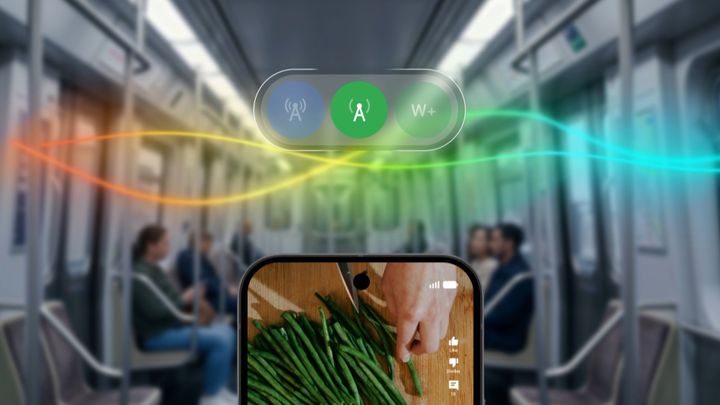
Google Fi is rolling out its super network that lets select Pixel phones seamlessly switch between two 5G network carriers when one's signal begins to weaken.
via Tom’s Guide