Reported by 2 outlets
Voters nationwide approve sweeping restrictions to halt the spread of computing facilities
The story so far
AI summary of the reporting below · Updated · How we work
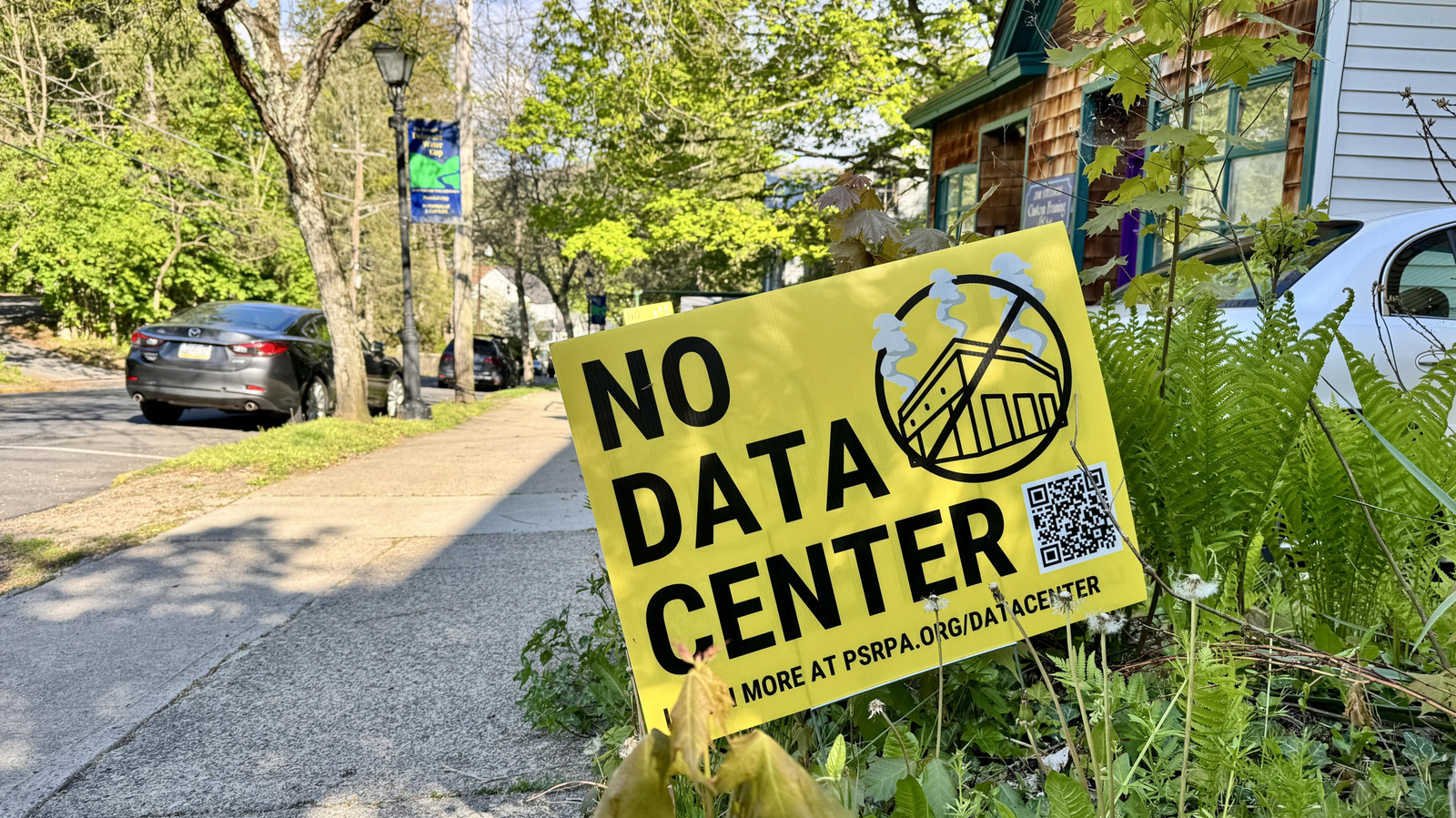
Voters across the country broadly supported measures to curb data center development in Tuesday's elections. The facilities were the subject of 45 ballot measures across 10 states, with early tracking from Data Centers on the Ballot showing that 33 restrictive measures passed and another six were leading. Only one municipality, the City of Harwood in North Dakota, defeated an initiative that would have required public hearings for large industrial projects like 100-megawatt data centers, while five localities have not yet posted results. [1][2]
Approved measures introduced outright bans, temporary moratoriums, limits on energy consumption, and requirements for public approval before projects can proceed. Outside the ballot questions, voters recalled the mayor and two council members in Piqua, Ohio, as well as the mayor of Yukon, Oklahoma, for previously supporting data center bans. [1][2]
The pushback also influenced national politics, with an NBC exit poll finding that 56 percent of voters considered artificial intelligence and data centers a crucial or major factor in their congressional votes. Democrat Sherrod Brown won Ohio's Senate race after campaigning heavily against the facilities. While it remains unclear how existing projects will be impacted, Tom's Hardware notes that tech firms including OpenAI and Anthropic are already pursuing smaller facilities ranging from 20 to 30 megawatts as larger hyperscale projects encounter delays. [1][2]
Read the original reporting
2 outlets
AI data centers comprehensively defeated at US midterm elections — 45 measures put on the ballot as Americans overwhelmingly vote against developments
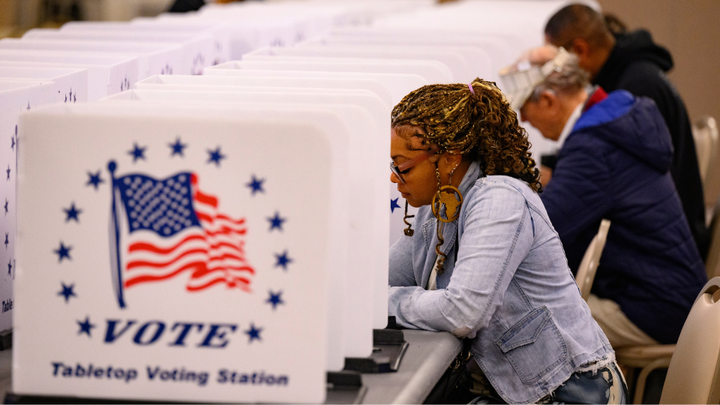
Several counties put data center issues on the ballot during the midterm elections, with most Americans voting against data center development in their county.
via Tom’s Hardware