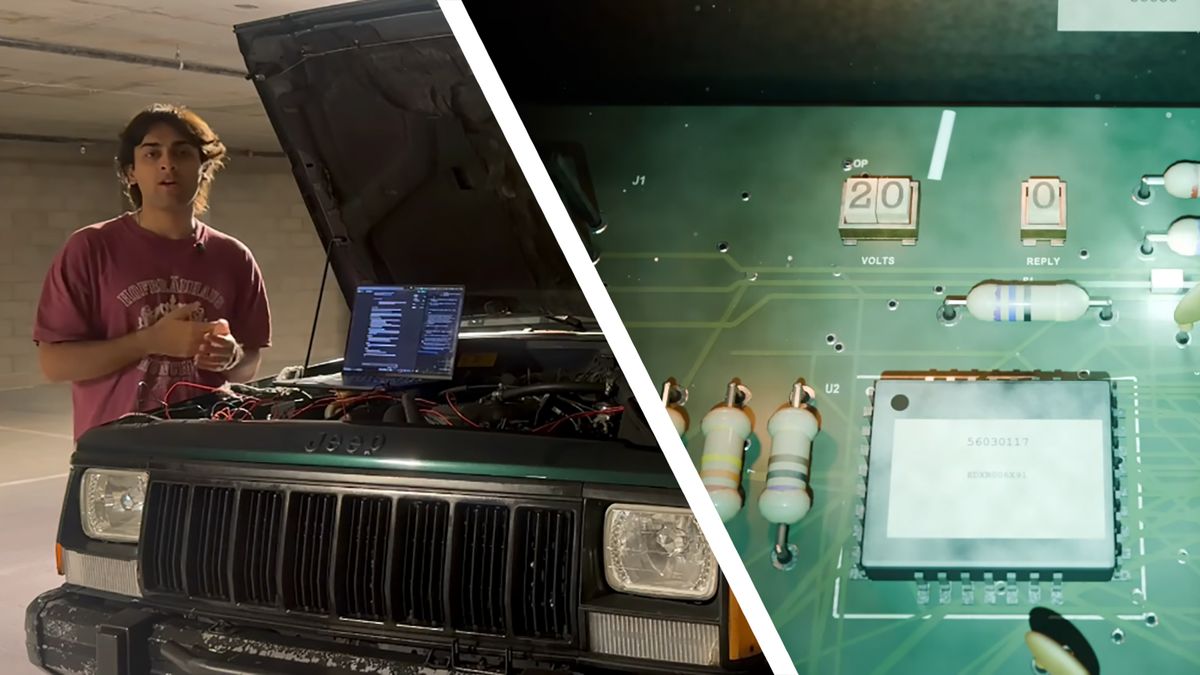
Someone used Claude and a $3 Arduino to reverse engineer their 1994 Jeep
The latest impressive piece of AI work comes from a developer who got Claude to fix an issue with a 32-year-old Jeep Cherokee.
via TechRadarReported by 2 outlets
The story so far
AI summary of the reporting below · Updated · How we work
Developer Muhammad Zulali managed to get his 1994 Jeep Cherokee to pass California emissions inspections by pairing modern artificial intelligence with a $3 Arduino Nano microcontroller. Facing repeated smog test failures due to excessive nitrogen emissions, Zulali spent no more than $15 on parts to bridge the 32-year-old vehicle's engine control system to a laptop. With regulatory retests costing nearly $100 each time, the workaround successfully resolved the vehicle's issues about a week after the AI began working. [1][2]
Lacking a modern OBD2 port, the Jeep used a Chrysler SCI bus running at roughly 7,800 baud with inverted signals. Zulali used the Arduino to invert the electrical signals and pull live diagnostic data, such as temperatures, voltages, and fuel metrics. Analysis revealed a California-specific software quirk that lowered fuel delivery under certain driving conditions, which led to higher nitrogen output. Because the engine computer was slightly too old to support direct reflashing, Zulali used OpenAI's Codex to inject and execute custom code in a nearby EEPROM to adjust fuel delivery settings. [1][2]
Zulali explained that Claude handled the majority of the diagnostic investigation while Codex managed the memory modifications, allowing him to bypass the need for a mechanic or official Chrysler dealer equipment. He has since published the project's software as a free, open-source tool called xj-scanner on GitHub under the GPLv3 license. [1][2]
The latest impressive piece of AI work comes from a developer who got Claude to fix an issue with a 32-year-old Jeep Cherokee.
via TechRadar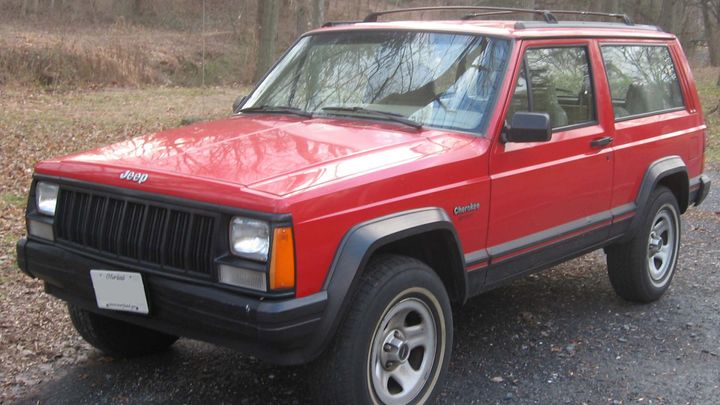
An AI enthusiast managed to get his old 1994 Jeep Cherokee to pass the California smog tests thanks to the help of AI, a little electronics wiring skill, and $15 of components.
via Tom’s Hardware