Graphics cards
Gaming, memory & power
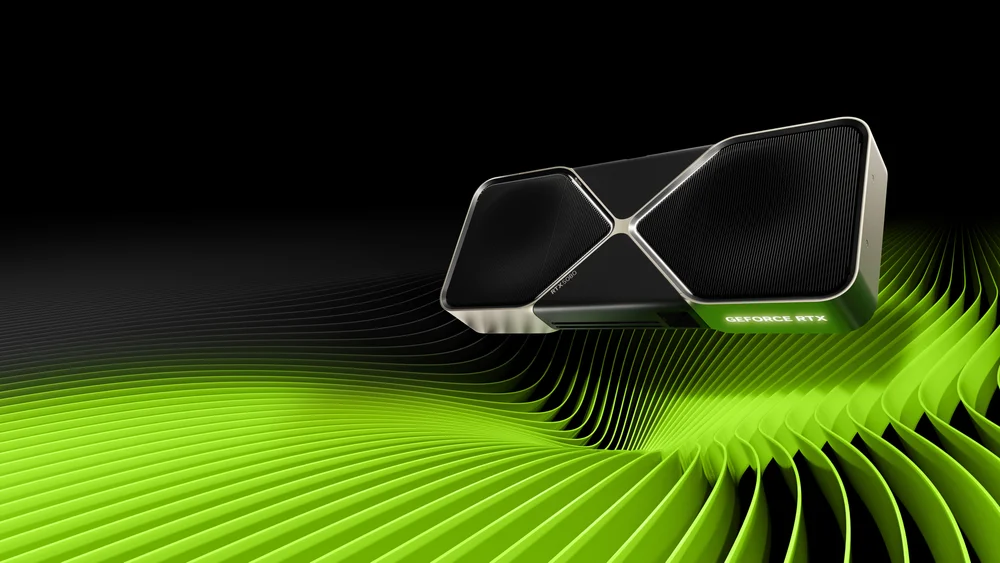
GeForce RTX 5080
Best forA new high-end build balancing gaming performance and power
The 5080 uses substantially less power than the 4090 in the linked gaming tests, but it also delivers fewer native frames and has 16GB of memory instead of 24GB. Multi Frame Generation can make supported games look smoother; it does not erase that performance gap. The strongest case is a new high-end PC or a move from a much older card.
- Video memory
- 16 GB
- Memory bandwidth
- 960 GB/s
- Reference board power
- 360 W
- Architecture
- NVIDIA Blackwell
Reasons to choose it
- Lower measured card power in the cited gaming suite.
- Thinner two-slot Founders Edition; check partner-board dimensions.
Before you buy
16GB VRAM can constrain workloads regardless of compute speed.
4 review sourcesGeForce RTX 4090
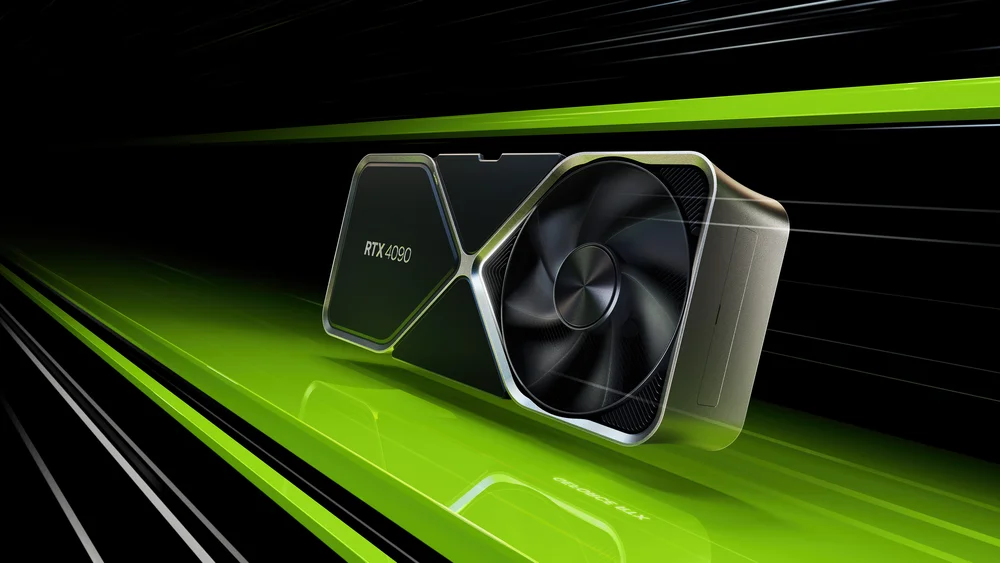
Best forNative 4K performance and workloads needing more than 16GB VRAM
Keep it if you already own one. Its 24GB of memory and stronger native 4K performance make the RTX 5080 a poor upgrade from a 4090. Buying one now is a different decision: a large power draw, bulky coolers and the warranty on a used card all need to justify the asking price.
- Video memory
- 24 GB
- Memory bandwidth
- 1,008 GB/s
- Reference board power
- 450 W
- Architecture
- NVIDIA Ada Lovelace
Reasons to choose it
- 24GB VRAM for larger working sets.
- Higher native frame rates in the cited same-system comparison.
Before you buy
A used or old-stock listing needs careful condition and warranty checks.
4 review sources9 benchmark datasets include at least two selected models. See Benchmarks for results and test conditions.
Watch the reviews
2 videos Watch on YouTube ↗
GamersNexus ·
RTX 5080: gaming, cooling and power
The 4090 stays ahead in the 4K games examined here. Gains over the 4080 vary considerably by game, making the 5080 a more convincing replacement for older cards. Cooling results apply to the Founders Edition.
4:41 Cooling ↗7:11 Final Fantasy XIV · 4K ↗10:02 Black Myth: Wukong · 4K ↗23:53 Efficiency and power ↗26:15 Verdict ↗
Read the written review ↗ · Checked 2026-10-03
 Watch on YouTube ↗
Hardware Unboxed ·
RTX 5080: a 17-game comparison
The 5080 improves on the 4080 Super by 4% at 1440p and 11% at 4K in this suite. The compact cooler fares well, but those modest gains weaken the upgrade case. This is the video version of the TechSpot review already included in our sources.
3:10 Founders Edition thermals ↗12:29 1440p average ↗12:46 4K average ↗15:47 Ray tracing · 4K ↗17:21 Verdict ↗
Read the written review ↗ · Checked 2026-10-03