From our saved archive, collecting since Oct 4, 2026. This covers reports we captured, not every event. The selected period starts before collection began; earlier coverage is limited to reports captured later. How catch-ups work
The companies featured at the recent Bank of America Private Tech Trailblazers Conference point to where the next wave of AI growth is taking shape: specialized technology built around proprietary data, industry-specific workflows and, increasingly, purpose-built hardware. From restaurants and construction sites to hospitals, cross-border payments and defense, these companies are targeting defined problems where…
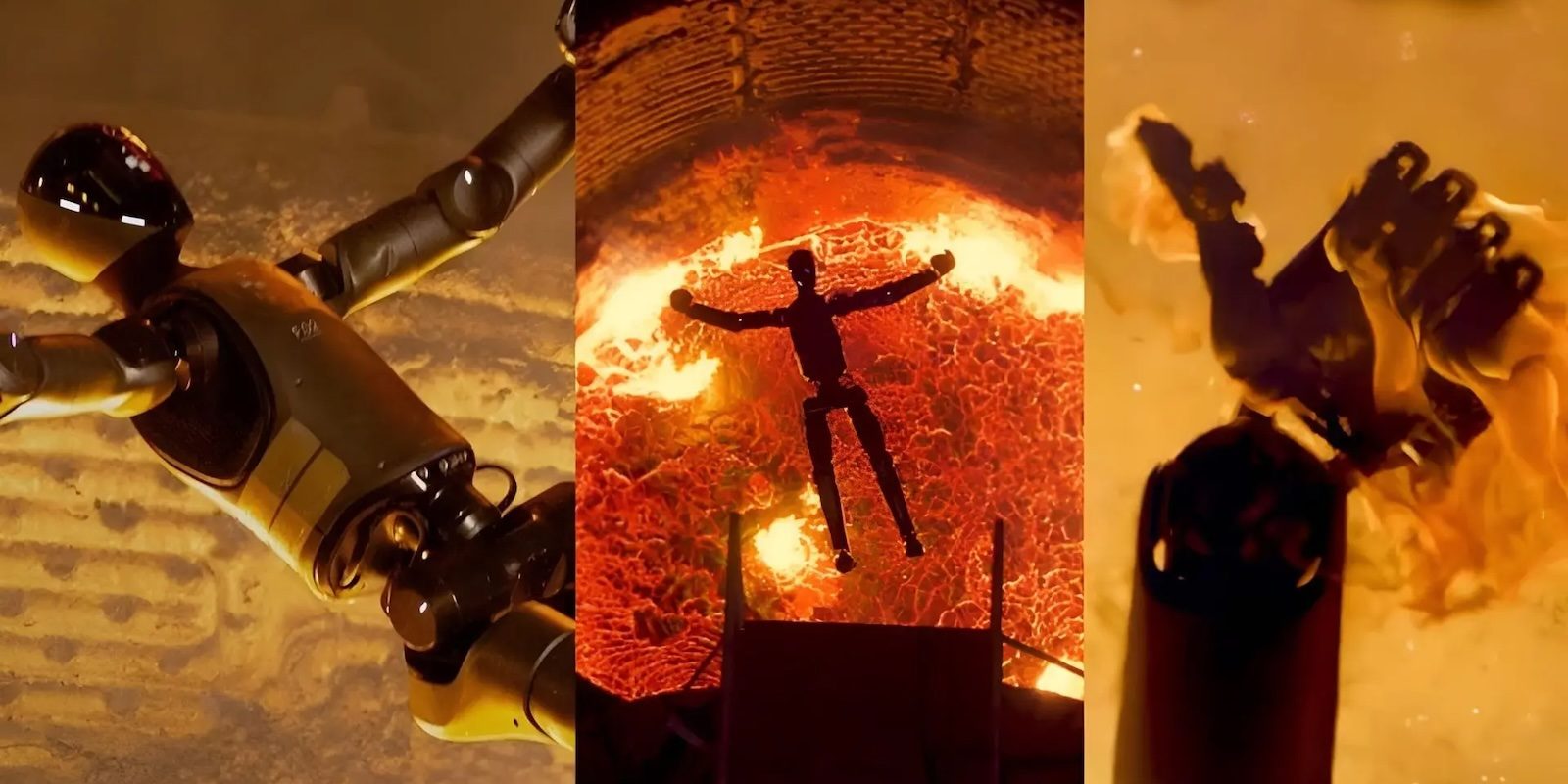
Decommissioning humanoid robots that are packed with proprietary tech is a tricky thing – you want to make sure none of the expensive raw material goes to waste, but you also need to make sure no one else gets a hold of your tech. The solution? Have your robots hurl themselves into a vat of molten steel, Terminator 2-style.
Elon Musk says the main thing holding back Tesla Robotaxi’s night hours is that the cars have a hard time seeing pets in the dark. His example was “grey kittens on grey tarmac.” That’s a low-light, low-contrast detection problem, which is the textbook weakness of cameras and the exact thing lidar and radar handle. Musk has spent years calling those sensors a “crutch” and a “fool’s errand.”
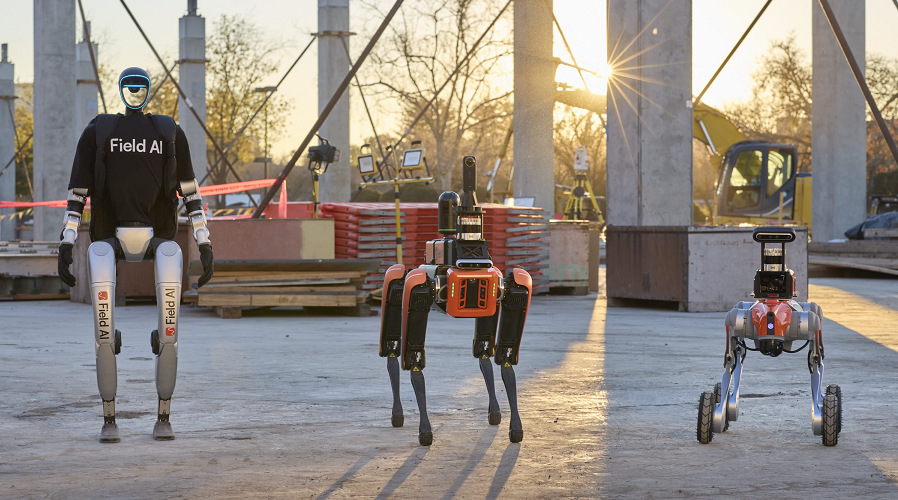
FieldAI Inc., a startup that develops artificial intelligence models for robots, is reportedly seeking $700 million in funding. A source told Business Insider today that the round could value the company at $10 billion. That’s five times what FieldAI was worth last August. It’s believed the company has already signed a term sheet, a nonbinding…
In its earnings guidance for FY27, Micron stated that it expects physical AI and humanoid robots to become even bigger drivers of memory and storage demand than AI data centers. According to CEO Sanjay Mehrotra, each humanoid robot would need at least around 200GB of DRAM and several terabytes of...
U.S. cities consider deploying Flock drones that automatically respond to emergency calls. However, other jurisdictions are pushing back against the service due to privacy and other concerns.
The Eufy C15 Robot Lawn Mower drops RTK stations or boundary wires in favour of camera-based mapping and navigation. Incredibly simple to set up and control, this nippy 2-wheel-drive robot is best suited to flat lawns.
Tesla CEO Elon Musk has clarified that instead of using 72GB of DDR5 RAM, his firm's AI5 chip will instead use 96GB in order to ensure that the firm is not the only one relying on using the minimum 72GB specification for the chip that will power the Optimus humanoid robot. Musk had earlier remarked that Tesla had slashed the RAM for its AI5 and AI6 chips in half in order to ensure adequate memory supply amidst a historic global shortage.
FieldAI Inc., a startup that develops artificial intelligence models for robots, is reportedly seeking $700 million in funding. A source told Business Insider today that the round could value the company at $10 billion. That’s five times what FieldAI was worth last August. It’s believed the company has already signed a term sheet, a nonbinding…
Elon Musk says the main thing holding back Tesla Robotaxi’s night hours is that the cars have a hard time seeing pets in the dark. His example was “grey kittens on grey tarmac.” That’s a low-light, low-contrast detection problem, which is the textbook weakness of cameras and the exact thing lidar and radar handle. Musk has spent years calling those sensors a “crutch” and a “fool’s errand.”
Decommissioning humanoid robots that are packed with proprietary tech is a tricky thing – you want to make sure none of the expensive raw material goes to waste, but you also need to make sure no one else gets a hold of your tech. The solution? Have your robots hurl themselves into a vat of molten steel, Terminator 2-style.
The companies featured at the recent Bank of America Private Tech Trailblazers Conference point to where the next wave of AI growth is taking shape: specialized technology built around proprietary data, industry-specific workflows and, increasingly, purpose-built hardware. From restaurants and construction sites to hospitals, cross-border payments and defense, these companies are targeting defined problems where…